
 12 Minutes
Lots of first-time visitors get the Kazakhstan weather completely wrong. Someone lands in Astana in January in a regular winter jacket, and the cold hits like a wall. Dry, sharp, and the wind makes it worse than any thermometer can prepare you for. This is a country stretching nearly 2.7 million square kilometres, and the weather behaves accordingly. One corner sits in the desert south, touching 40°C in July. Another corner stays frozen solid for five months straight. Calling Kazakhstan cold is like calling the ocean wet technically accurate, but it completely misses the picture.
Honestly, timing is the single biggest factor that separates a great Kazakhstan trip from a rough one. Booking Kazakhstan tour packages around the right season changes everything. Roads stay open, crowds stay thin, and travellers spend their energy actually enjoying the place rather than managing the temperature. The climate here is not a detail to figure out after booking. It is the thing that decides what kind of trip this becomes.
AED 2,499
per person
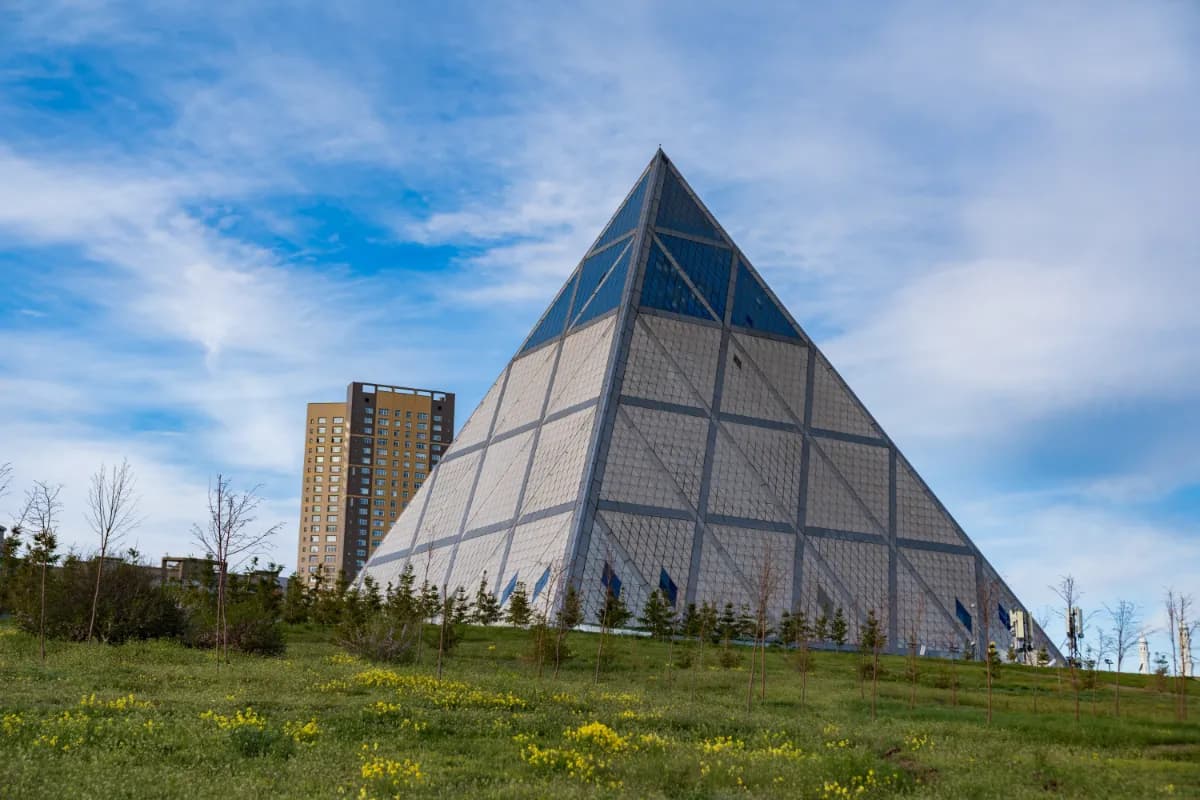
Kazakhstan have all the seasons, from winter to Summer.
There is no ocean anywhere near Kazakhstan. The nearest coastline of any significance is the Caspian Sea to the west, and that body of water is far too small to moderate temperatures across such a vast landmass. So the country runs on pure continental climate, which means summers cook and winters freeze with very little in between. Astana has recorded a 70°C swing between its all-time lowest and highest temperatures. That number sounds made up, but it is not. The steppe is flat, the air is dry, and there are no natural barriers to slow down whatever the season decides to throw at the place.
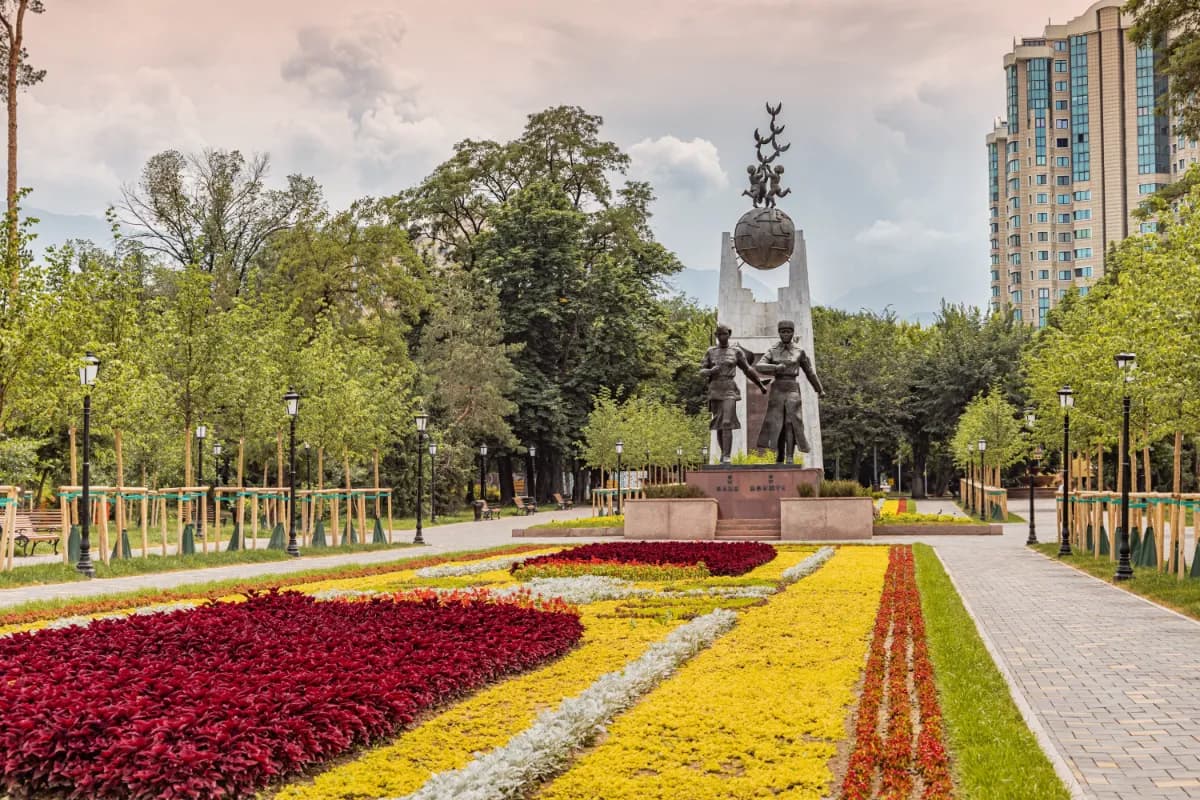
Four climate zones across one country that fact alone tells you everything. The north runs cold steppe, brutal in winter and briefly warm in summer. The centre is semi-arid and persistently windy. Head south and it turns properly hot and desert-dry. The southeast, where Almaty sits backed against the Tian Shan mountains, gets actual rain and proper snowfall, which feels almost strange compared to the rest of the country. The west near the Caspian is its own thing entirely. So when someone asks what to pack for Kazakhstan, the only honest answer starts with a question back: which city, which month?
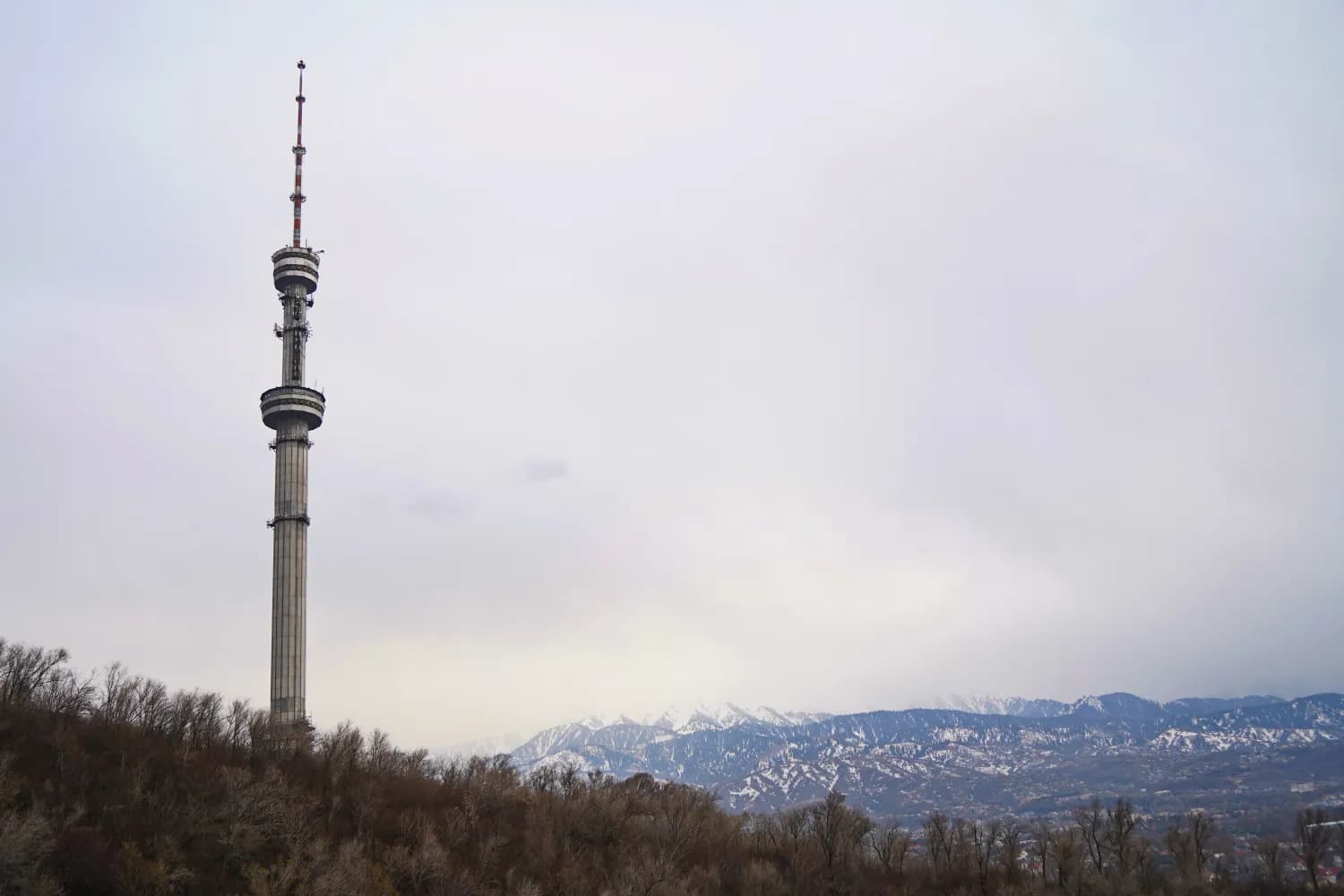
Real winter. Not the mild grey drizzle that passes for cold in some countries. In Astana, minus 20°C is a perfectly normal day in January. Minus 35°C happens. Roads outside the cities close. The steppe becomes impassable in blizzard conditions. But the cities themselves are genuinely built for this. Underground walkways, powerful central heating, and locals who simply get on with it in full fur-lined gear. Almaty is a different story, sitting around minus 5°C to minus 15°C through the coldest months, with mountain snow that looks beautiful from a warm restaurant window.
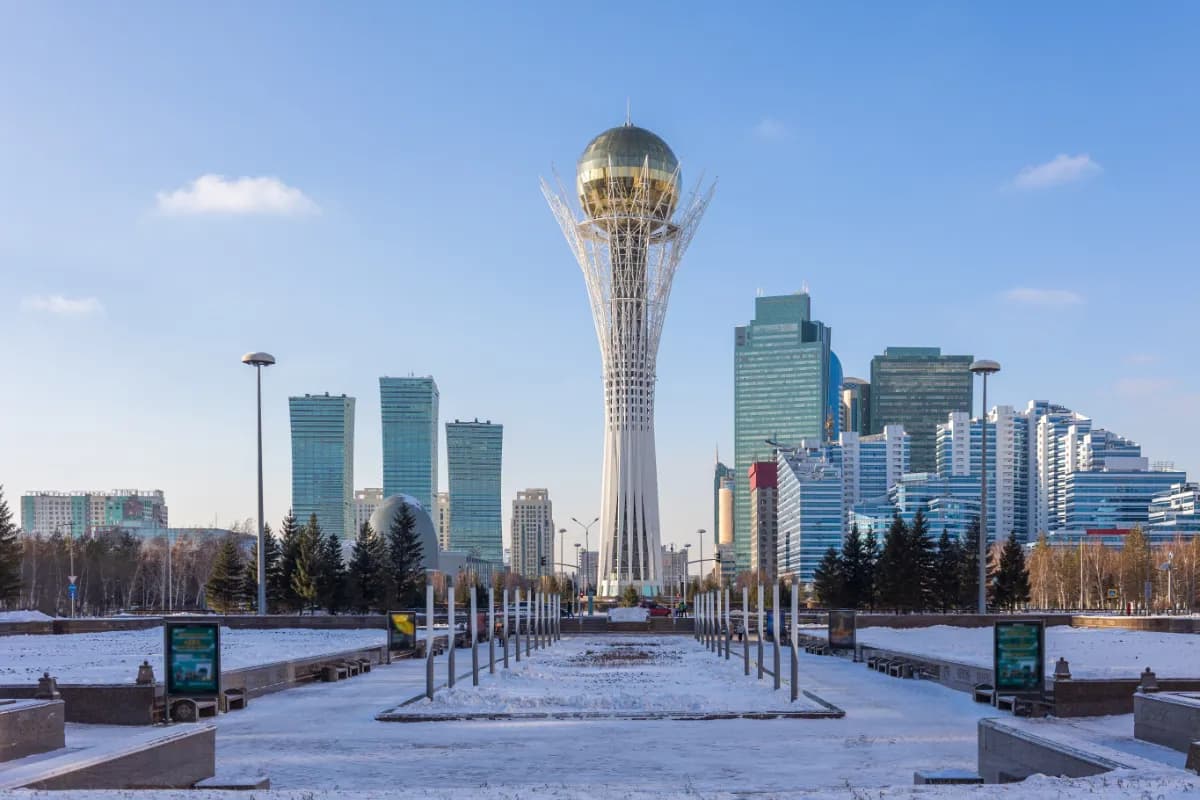
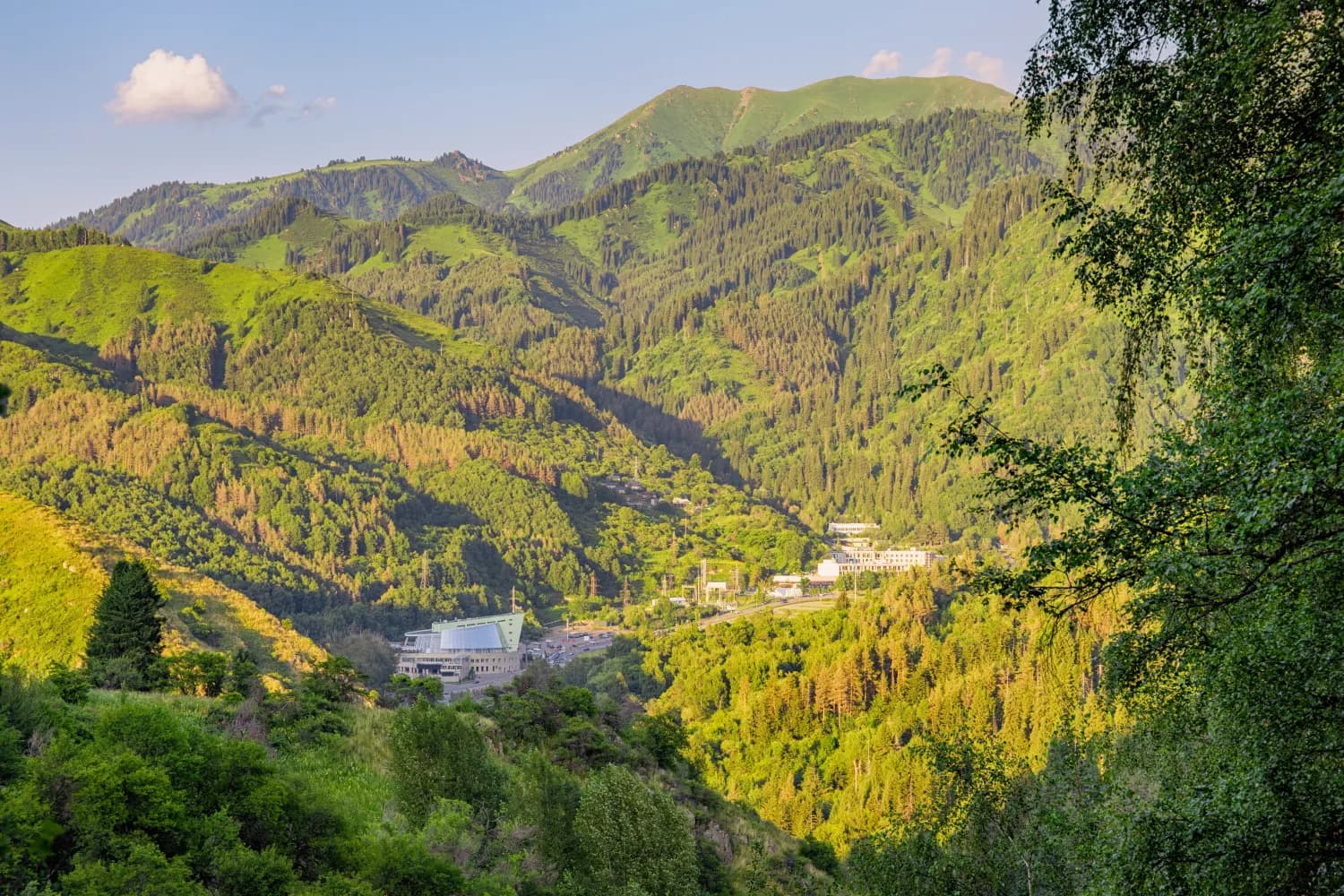
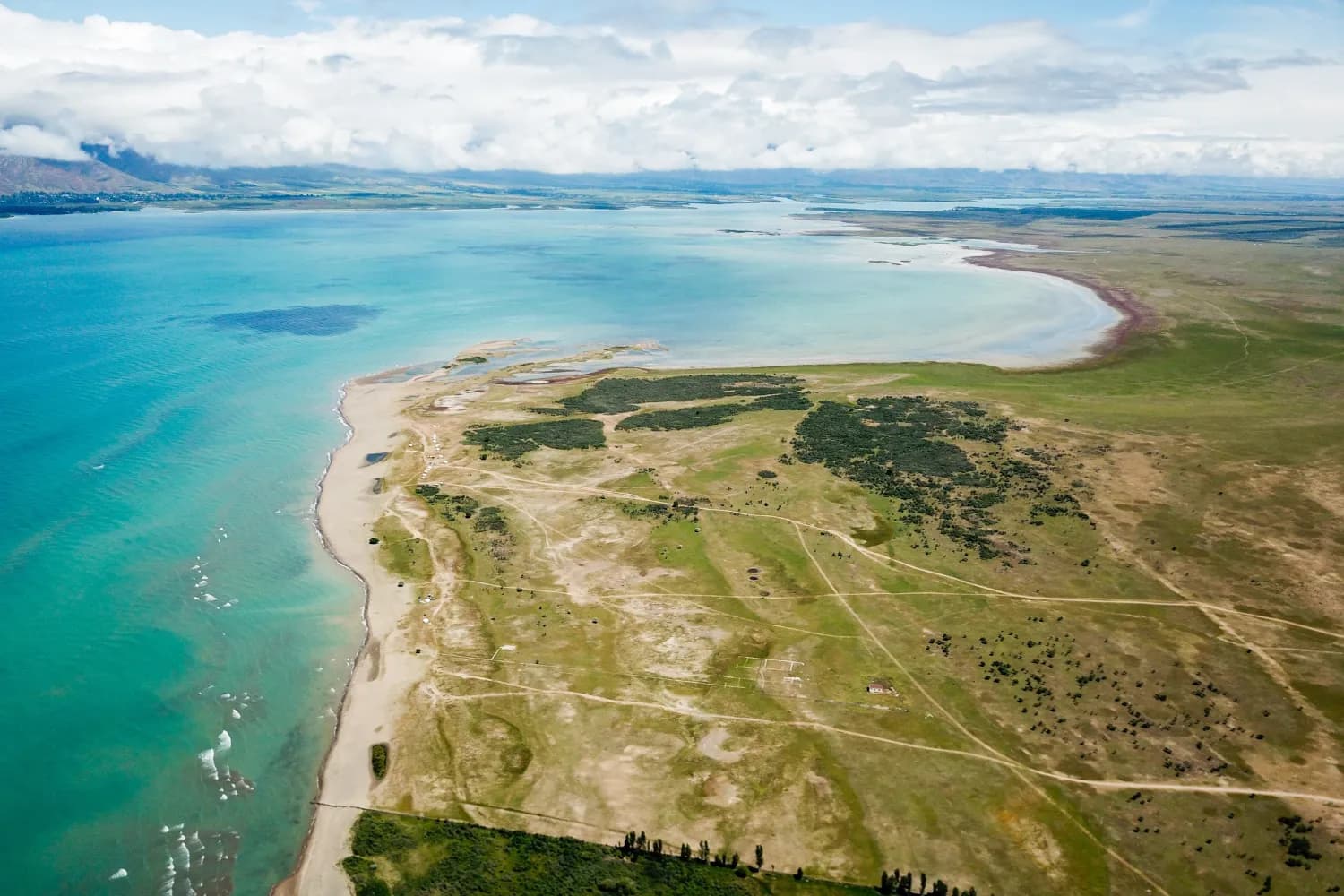
Kazakhstan weather in June is the most straightforward of the summer months. Warm, dry, and manageable across most of the country. Up north and in the centre, summer is warm and dry, 25°C to 35°C with long days and clear skies. Go south toward Shymkent or Turkestan, and it crosses 40°C regularly. That kind of heat is not brutal for travellers used to Gulf summers, but it is relentless because there is almost no shade across the flat terrain. Almaty stays pleasant, usually topping out around 30°C to 33°C, with afternoon thunderstorms that break the heat every few days. July and August are busy with domestic tourists, so accommodation prices climb and popular spots get crowded.
Spring and autumn are when Kazakhstan quietly becomes one of the most pleasant destinations in Central Asia. A sharp contrast to how brutal Kazakhstan weather in July can get in the southern regions. April and May bring temperatures from 12°C to 22°C, and the steppe genuinely transforms. Green grass, wildflowers, and blue skies that look almost surreal after months of winter. September and October mirror that comfort on the way back down. Almaty in autumn deserves its own mention. The tree-lined streets go amber and gold, the mountains stay accessible, and the whole city carries a calm that peak summer never quite allows.
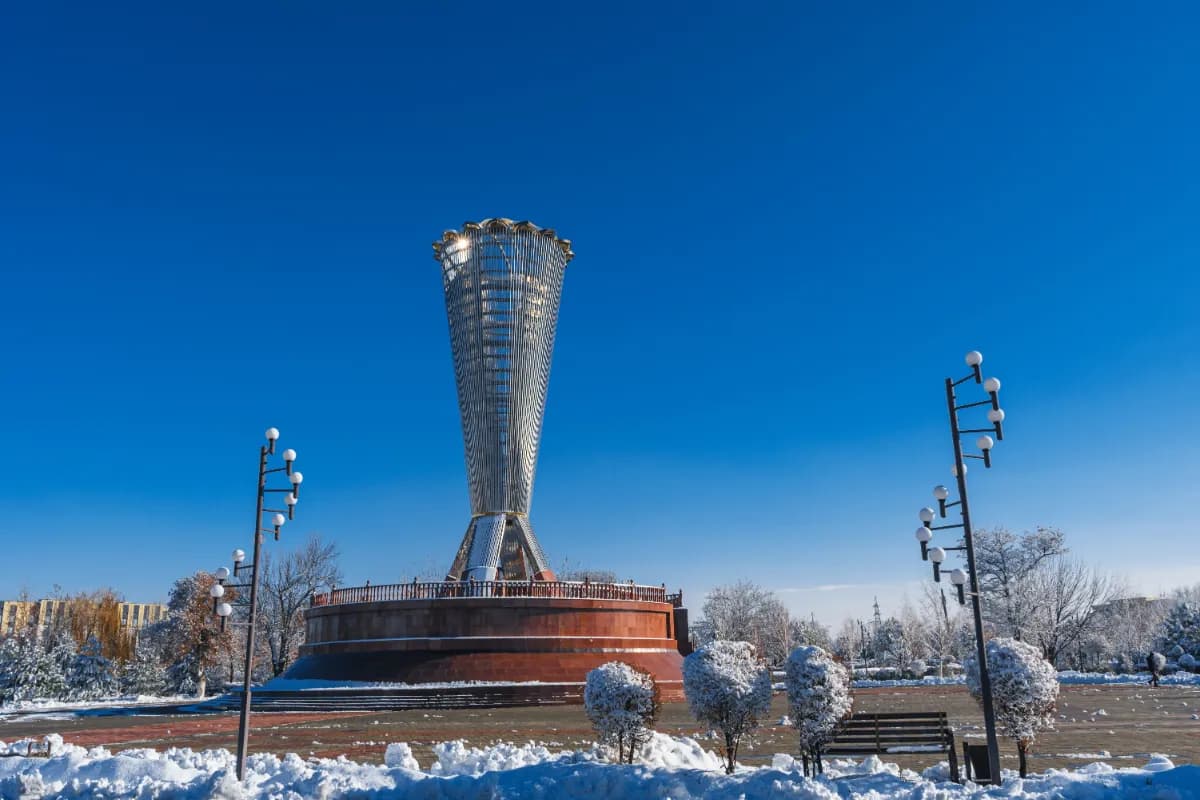
The weather and climate of Astana and Almaty vary. Let's know those reasons
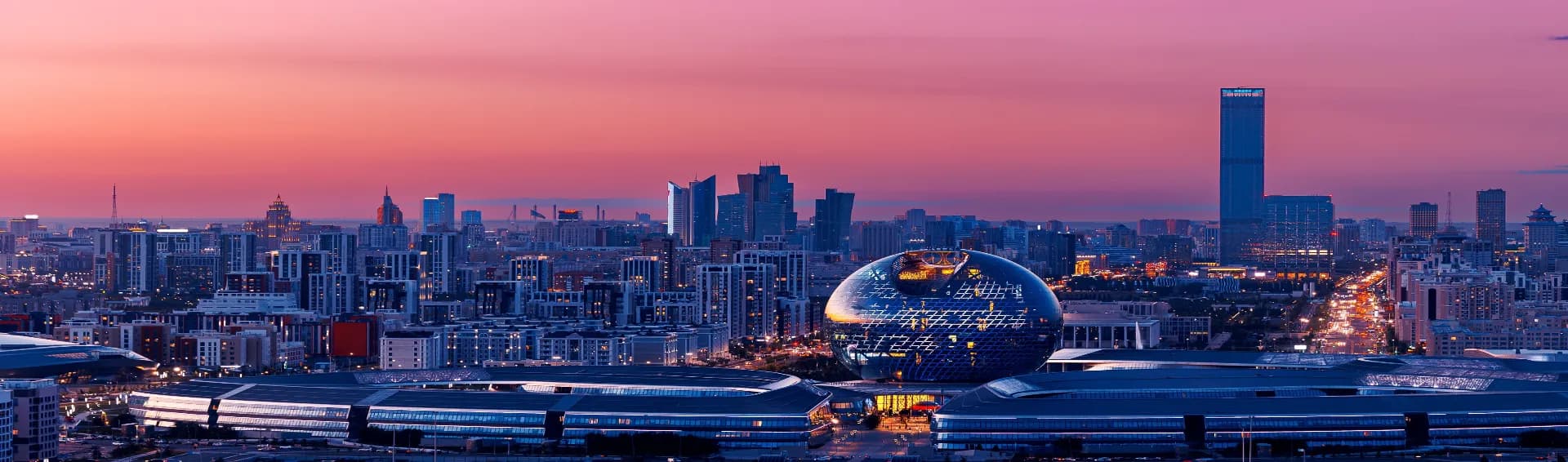
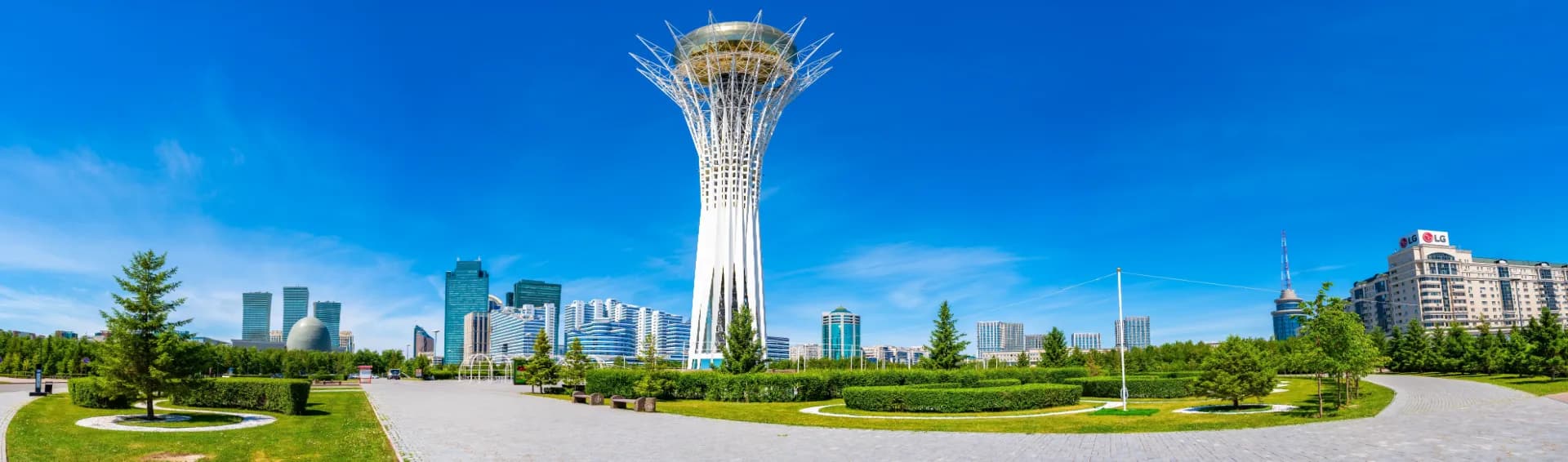
Astana sits on flat northern steppe at around 350 metres elevation, which sounds unremarkable until you realise there is nothing between it and Siberia to slow down the wind. That wind is the real issue. The temperature alone is harsh enough, but the wind chill pushes the felt temperature 10 to 15 degrees lower than whatever the thermometer reads. The city has adapted well; visitors can spend full days barely stepping outside, moving between heated interiors, but underestimating an Astana winter is a lesson most people only need once. It ranks alongside Ulaanbaatar and Ottawa among the coldest capitals on earth.
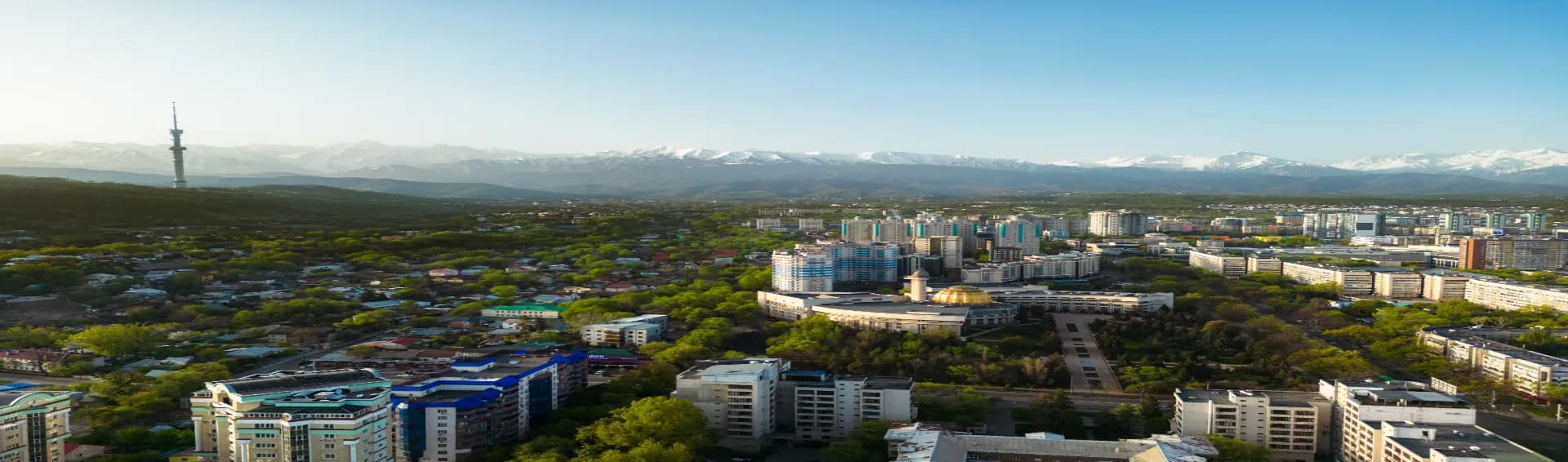
By a significant margin, yes. Kazakhstan weather in August does push Almaty's surrounding mountains to release the last of their summer moisture, but the city itself stays drier than most people expect. The Tian Shan mountains behind Almaty force incoming air upward, and that process squeezes out precipitation. The city gets around 600mm of rainfall annually, roughly double what Astana receives.
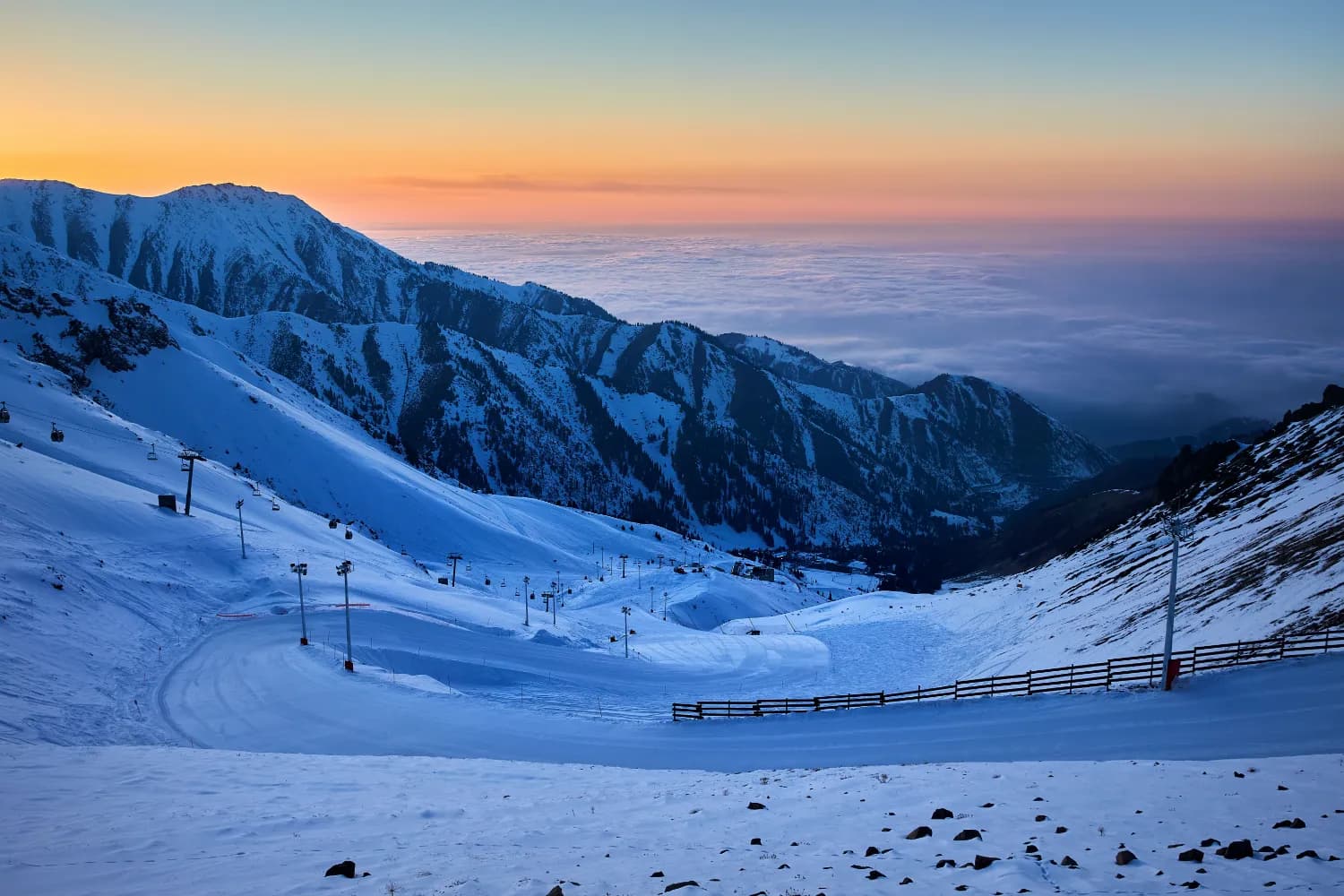
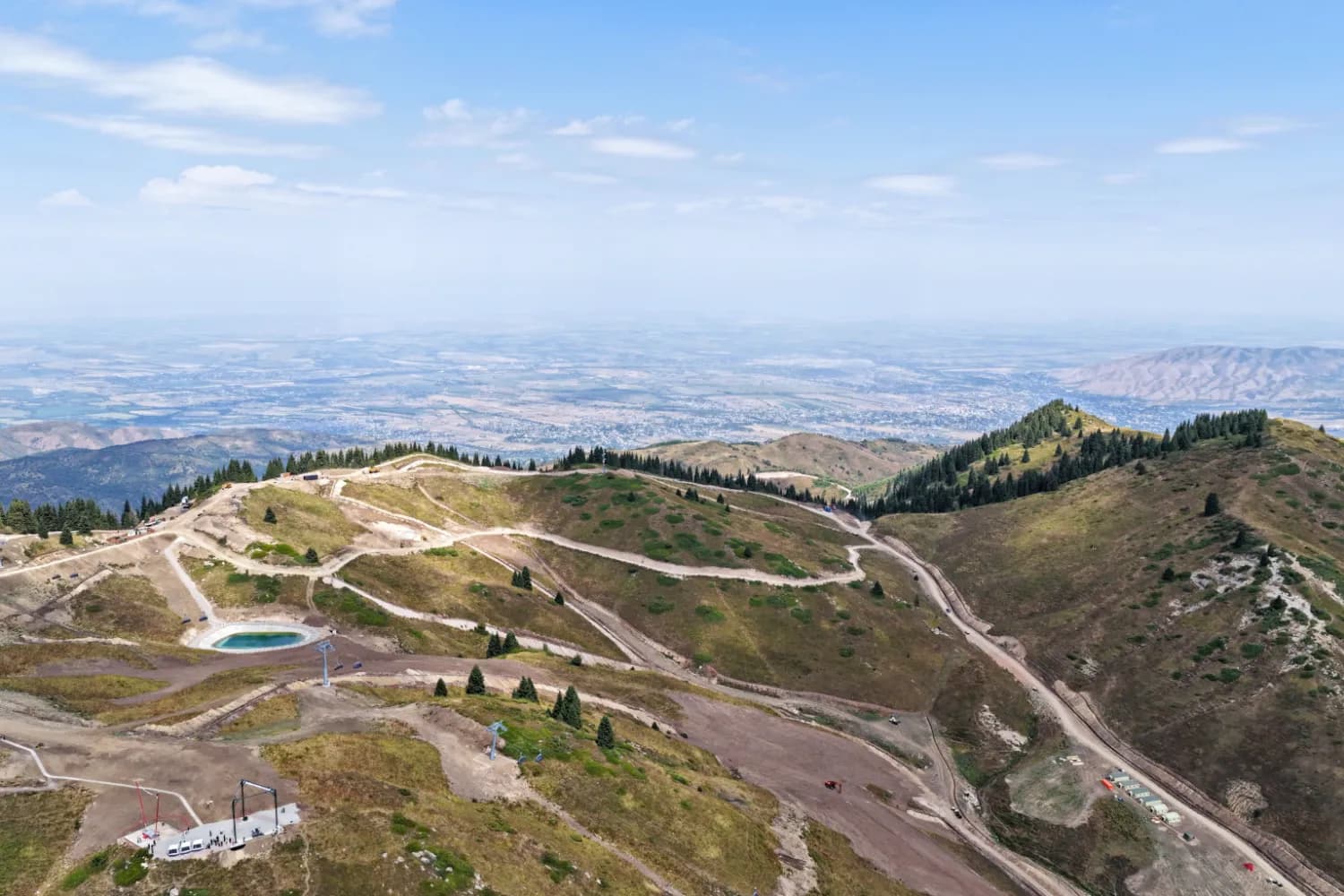
The mountains above the city collect even more snow, which keeps the Shymbulak ski resort running reliably every winter from November through April. One thing worth knowing before visiting: spring snowmelt in the surrounding hills occasionally causes mudslides, and a few hiking routes close during March and April because of it.
Both. Winters are hard and cold across the whole country, with most cities dropping well below zero for months at a time. Summers range from warm in the north to very hot in the south. Kazakhstan is a country of weather extremes, not a consistent climate.
January. Astana averages minus 14°C to minus 18°C through January, with wind chill pushing the felt temperature even lower. Almaty is milder but still averages around -6°C. Visiting the northern steppe in January requires serious cold-weather preparation.
May and September are the best Kazakhstan weather. Both sit in the shoulder-season sweet spot, with comfortable temperatures, accessible roads, thinner crowds, and lower accommodation prices than during the July and August peak.
Yes, and it is heavy across the north and centre from November through March. Almaty and its surrounding mountains receive consistent snowfall that supports ski tourism every season. Southern regions see less snow but are not entirely free of it during winter months.
May to June or September to October for general sightseeing and travel comfort. January and February work well for skiing at Shymbulak. July and August are good for steppe and lake travel, but the southern heat during those months is not for everyone.
June 3, 2026
May 30, 2026
May 29, 2026
May 26, 2026

May 26, 2026