
 12 Minutes
When you start thinking of travelling, what are the most important things to keep in mind? It might be many things, but the most important thing is the weather of that particular country. It decides your overall journey experience. The same applies to this small country, Sri Lanka. If you don't get enough information about the Sri Lanka weather. It can totally ruin your Sri Lanka tour package excitement.
The country has weather and temperature that vary season to season and region to region. So, that one detail changes everything about how you plan.
AED 1,849
per person
AED 1,399
per person
AED 1,649
per person
AED 1,299
per person
December to mid-April covers the west coast, south coast, and most cultural sites at their best. The East Coast runs opposite; April to September is its dry window. Highlands stay cool all year. So the honest answer is: it depends entirely on where you are going. Sri Lanka works as a year-round destination, but only if the region matches the month.
Two monsoons. Opposite sides of the island. Opposite timing. That is the whole framework, and once you understand it, the rest of the planning falls into place.
Hits the west and south coasts hardest. Colombo, Galle, and Mirissa all get heavy rain during this window. Sri Lanka weather June is when the monsoon peaks across this entire stretch. August is the odd one out; rainfall often drops noticeably even in the middle of the wet season.
This one crosses from the opposite direction and soaks the north and east. Trincomalee, Jaffna, Arugam Bay. In the same months, the south-west is sunny and dry. That is not a coincidence; it is literally what makes Sri Lanka work as a destination across all twelve months.
October and early November are the awkward in-between weeks. Both systems are transitioning, and short, sharp thunderstorms can appear almost anywhere without much warning. Not dangerous. Just annoying if your entire trip is built around lying on a beach. Cultural travel works fine during this window. By mid-November, the West Coast starts to settle.
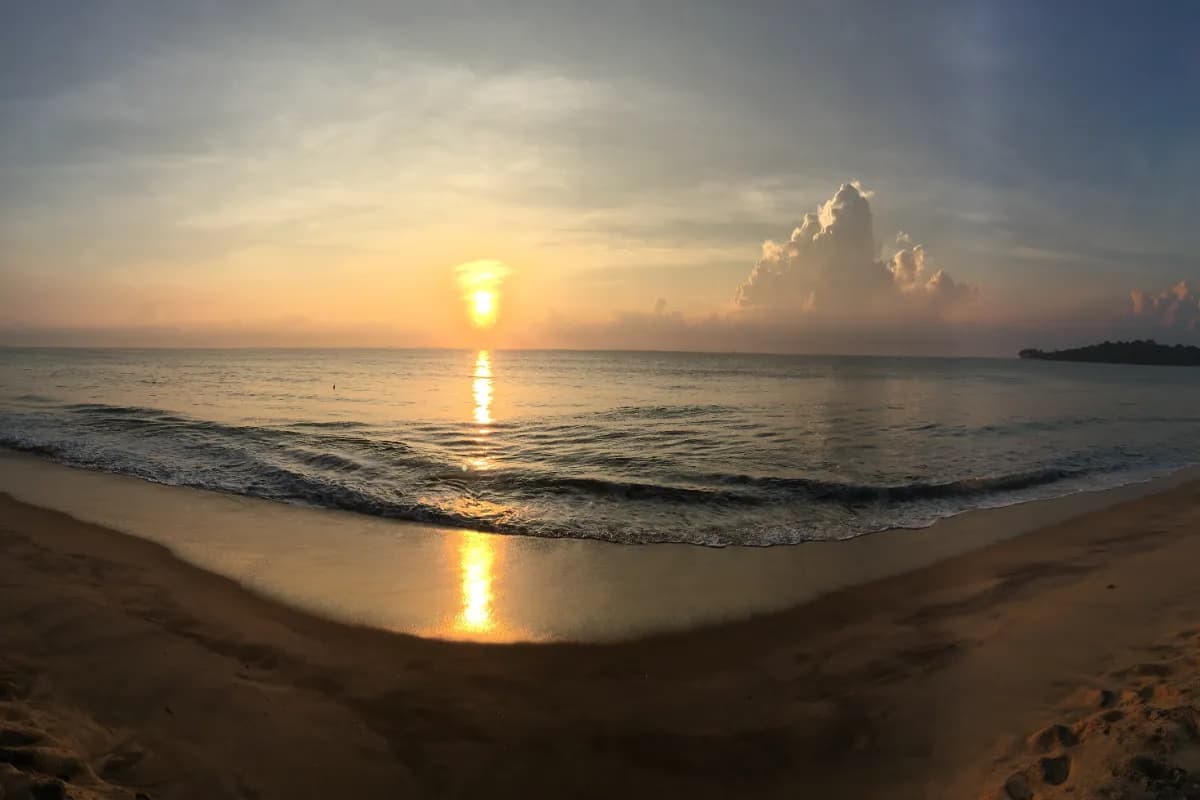
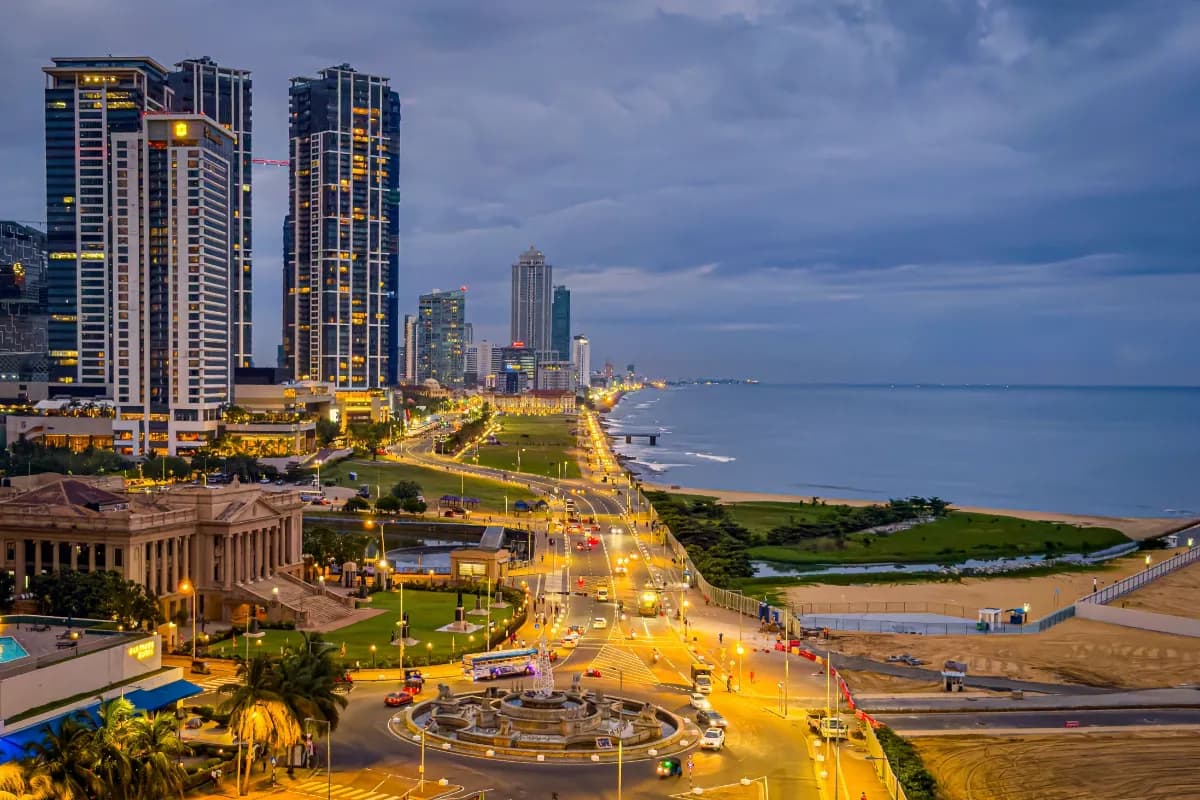
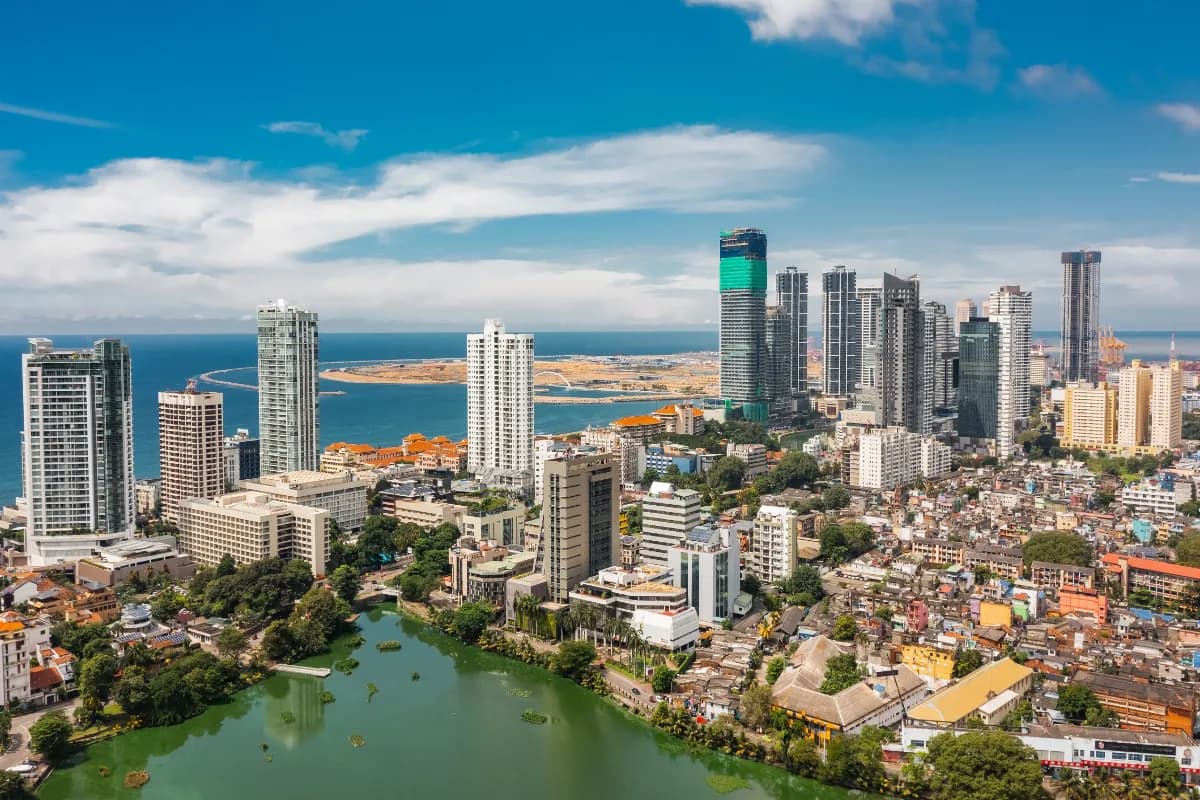
Late November to April is the reliable window here. Sri Lanka weather during this stretch is about as good as it gets on the west coast. Temperatures hover around 30°C all year, which sounds manageable until the humidity kicks in. During peak monsoon months, Colombo's humidity can hit close to 90%. That is a different experience from 30°C in Dubai. Sticky, heavy air. Fine if you are prepared for it, unpleasant if you are not.
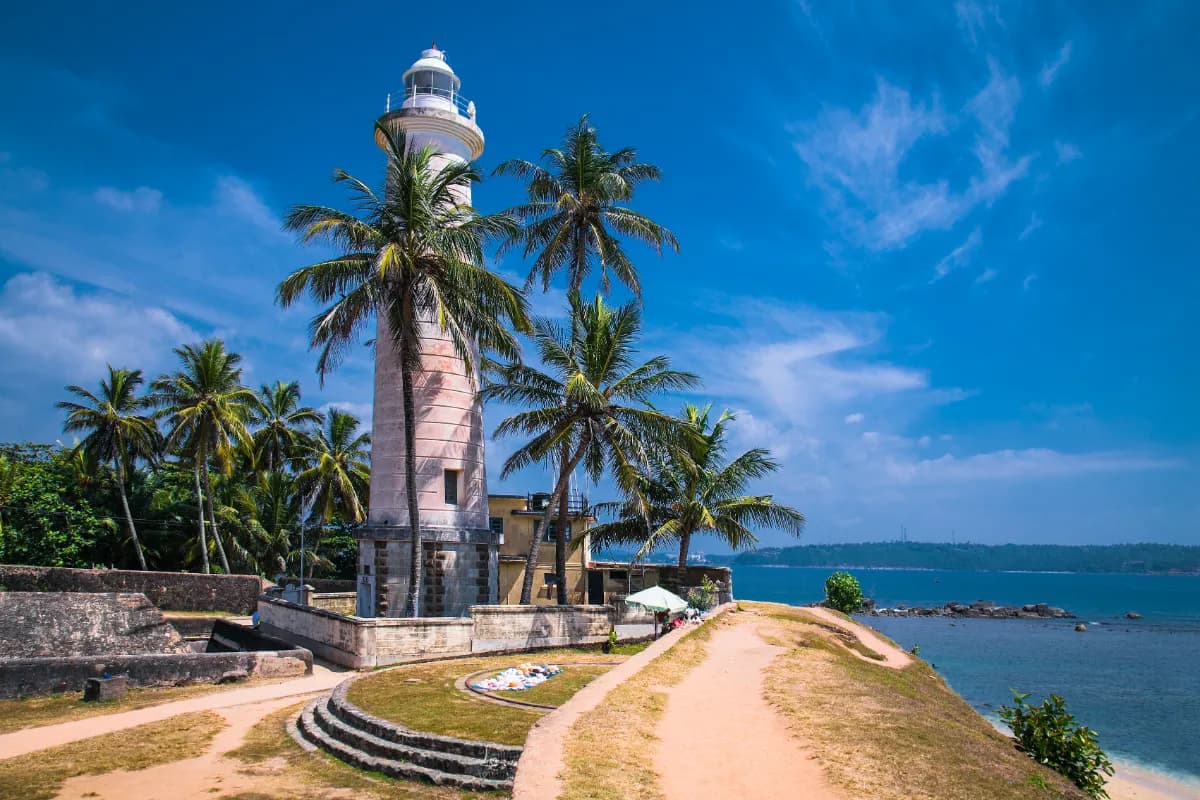
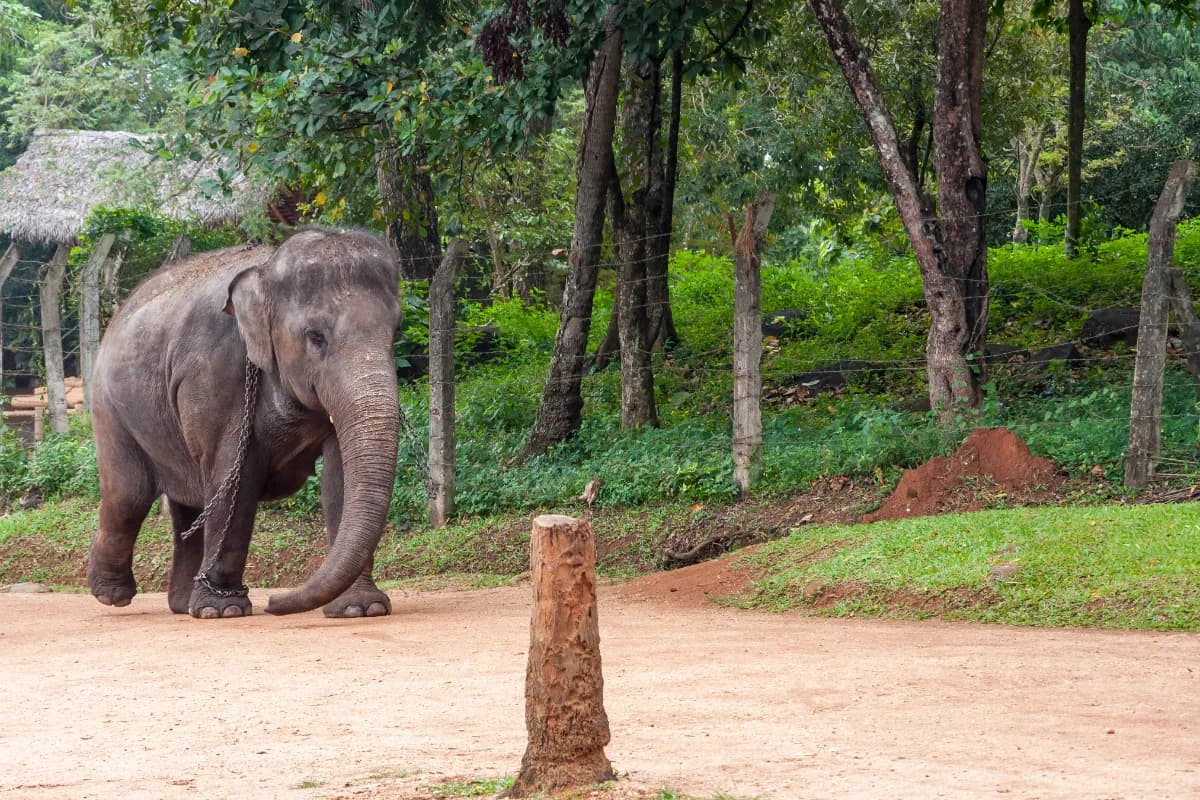
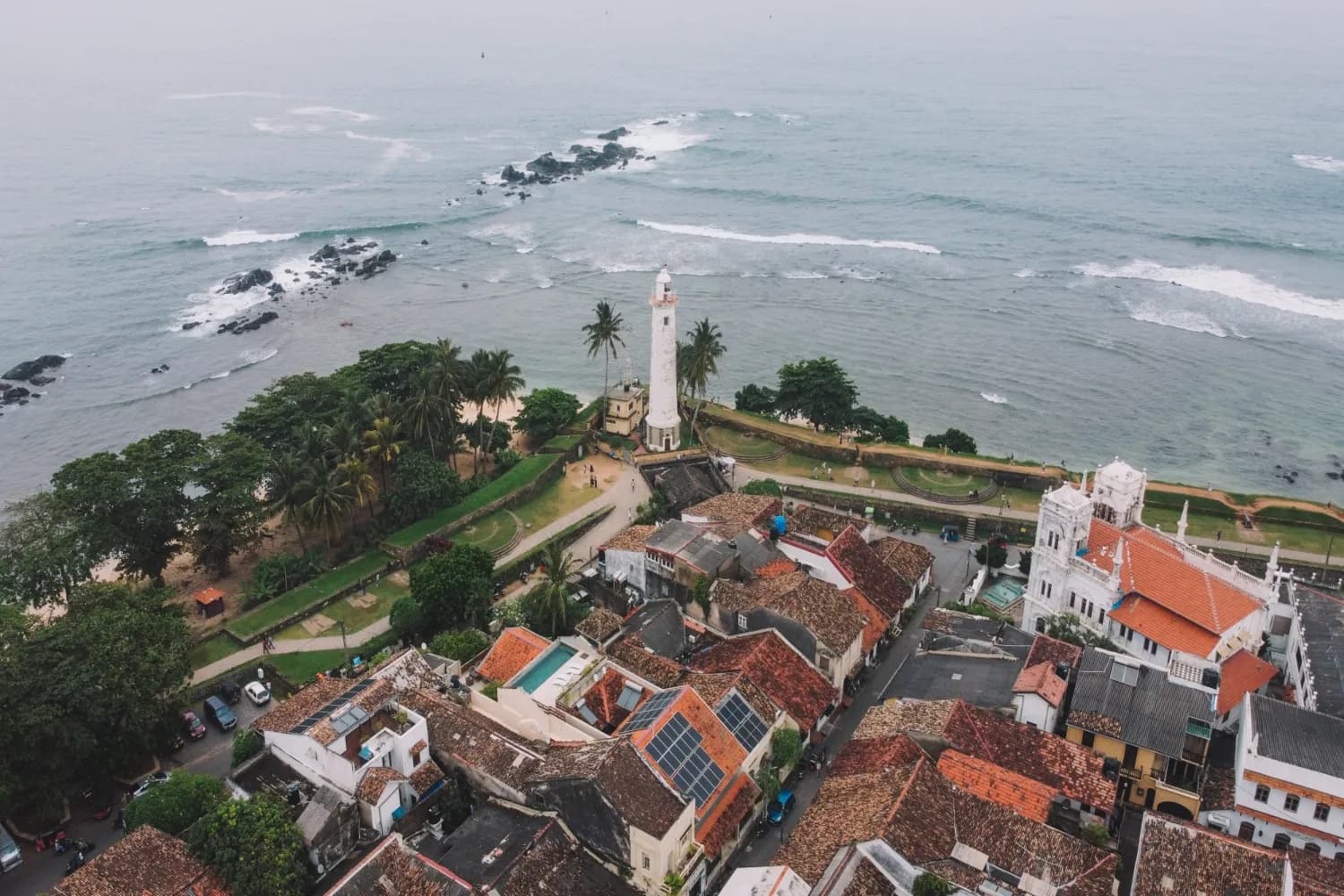
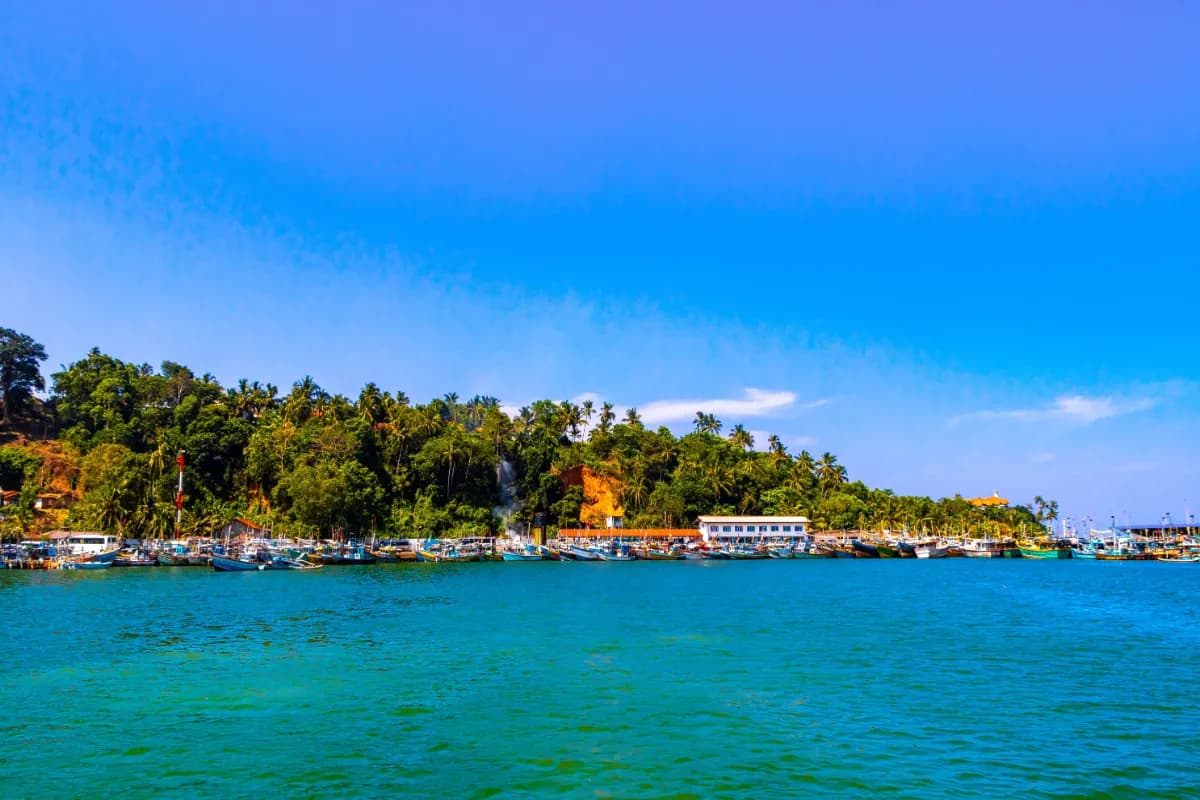
Galle and Mirissa follow Colombo's pattern closely. Late November to March is when these beaches look like the photos. Further east, near Yala, the north-eastern monsoon also plays a role, so rainfall can arrive from October to January in that stretch. The upside is that Yala's wildlife activity genuinely peaks around May, when the eastern edges dry out, and animals gather near shrinking water sources.
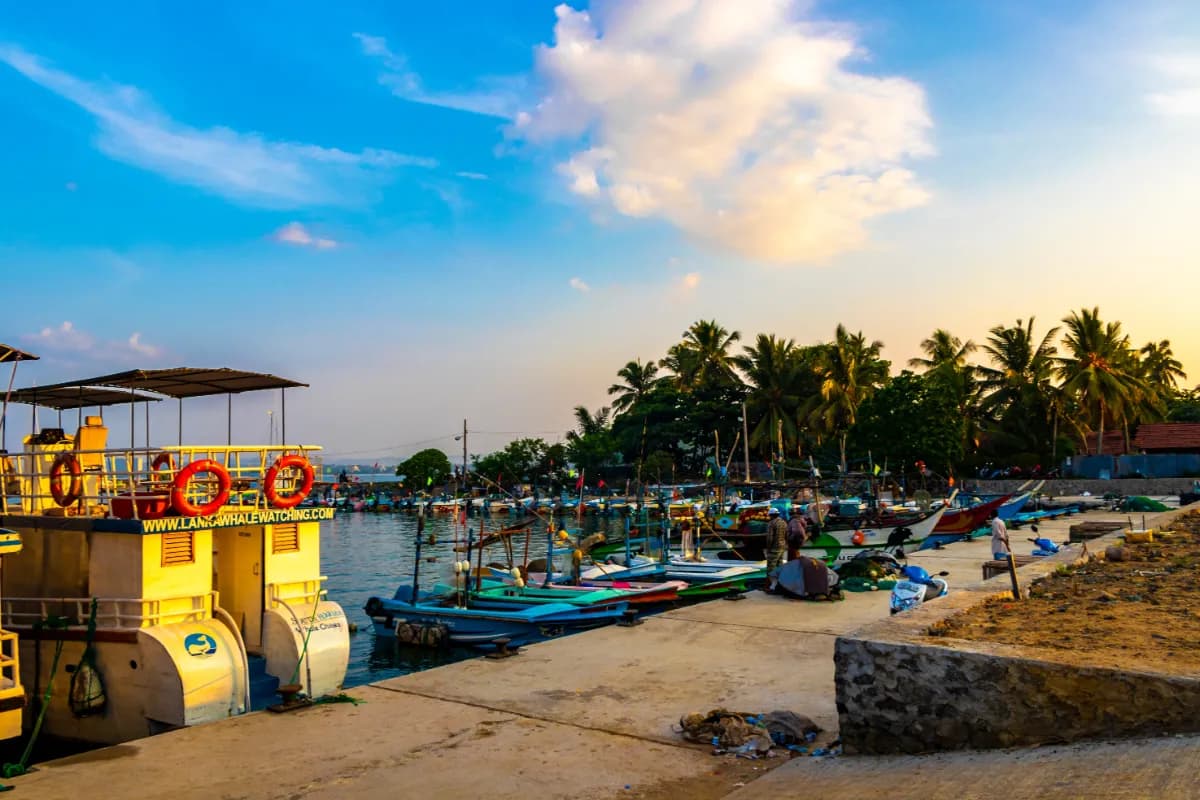
April to September. Full stop. This is when the East Coast earns its reputation. Sri Lanka weather during these months keeps the east dry and sunny, while the rest of the island deals with monsoon rain. Passekudah has shallow, warm, calm water during this window that is genuinely hard to beat anywhere in Asia. Infrastructure is still catching up in parts, but if a quieter beach is what you are after, the east coast in summer does that better than almost anywhere else on the island.
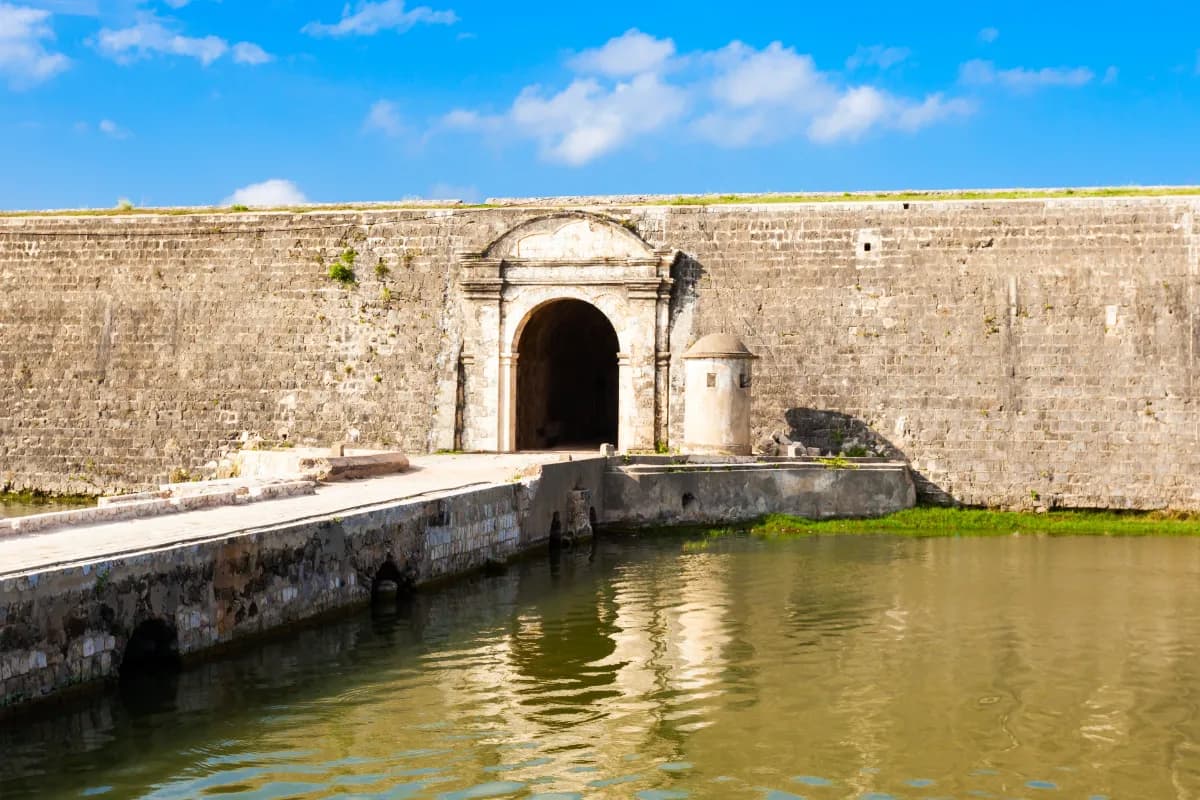
May to September for dry conditions. October to January gets hit by the north-eastern monsoon and is best avoided if weather matters to your plans. Jaffna is culturally fascinating and worth the detour, but the timing has to be right. Most itineraries get this wrong and end up there in November.
Here is where it gets interesting. This stretch barely catches the south-western monsoon, so even June to October stays relatively dry. The trade-off is wind. Strong, consistent wind that makes it uncomfortable for swimming but absolutely ideal for kite-surfing. Kalpitiya has built a quiet reputation among wind sports travellers for exactly this reason.
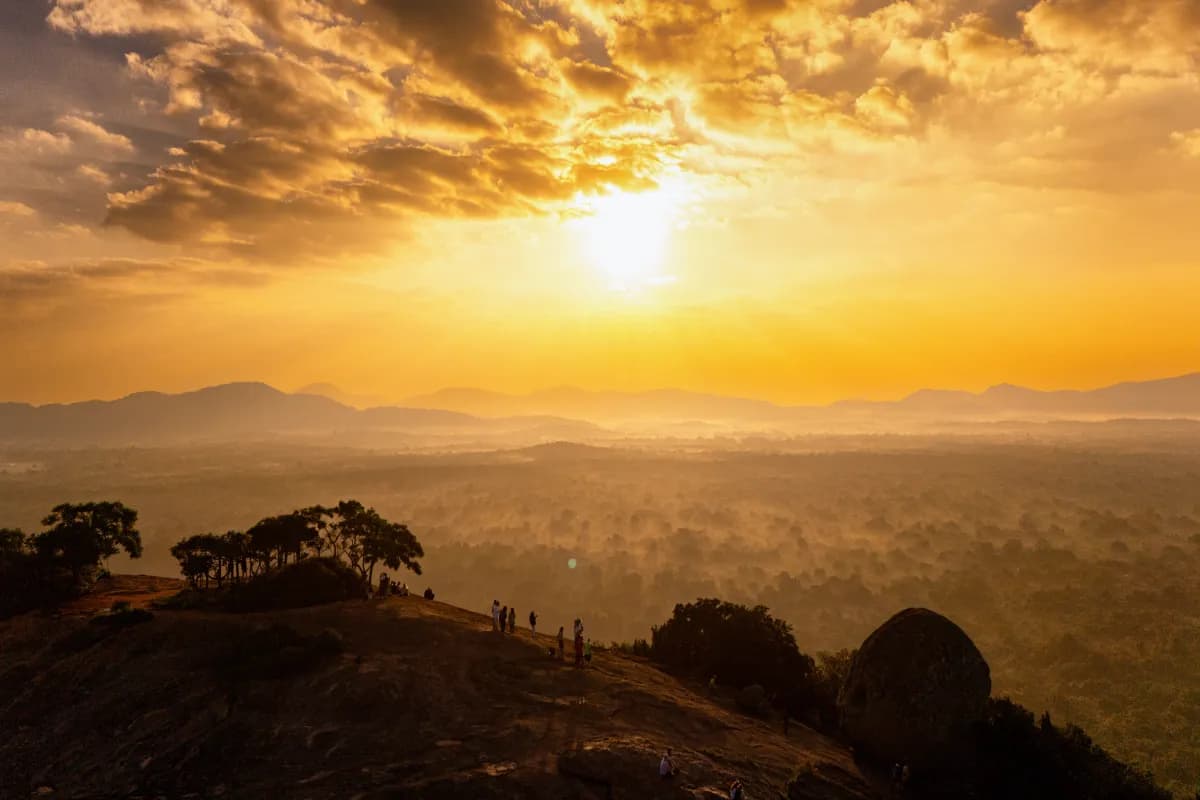
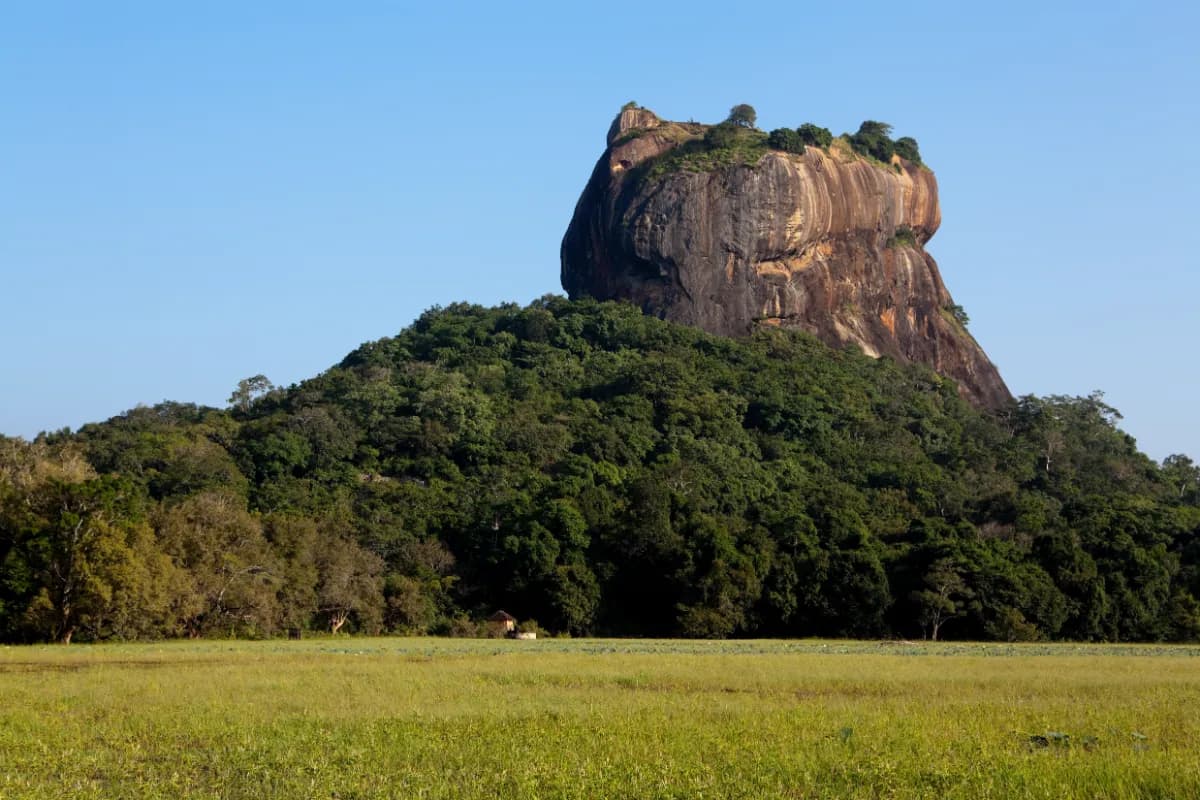
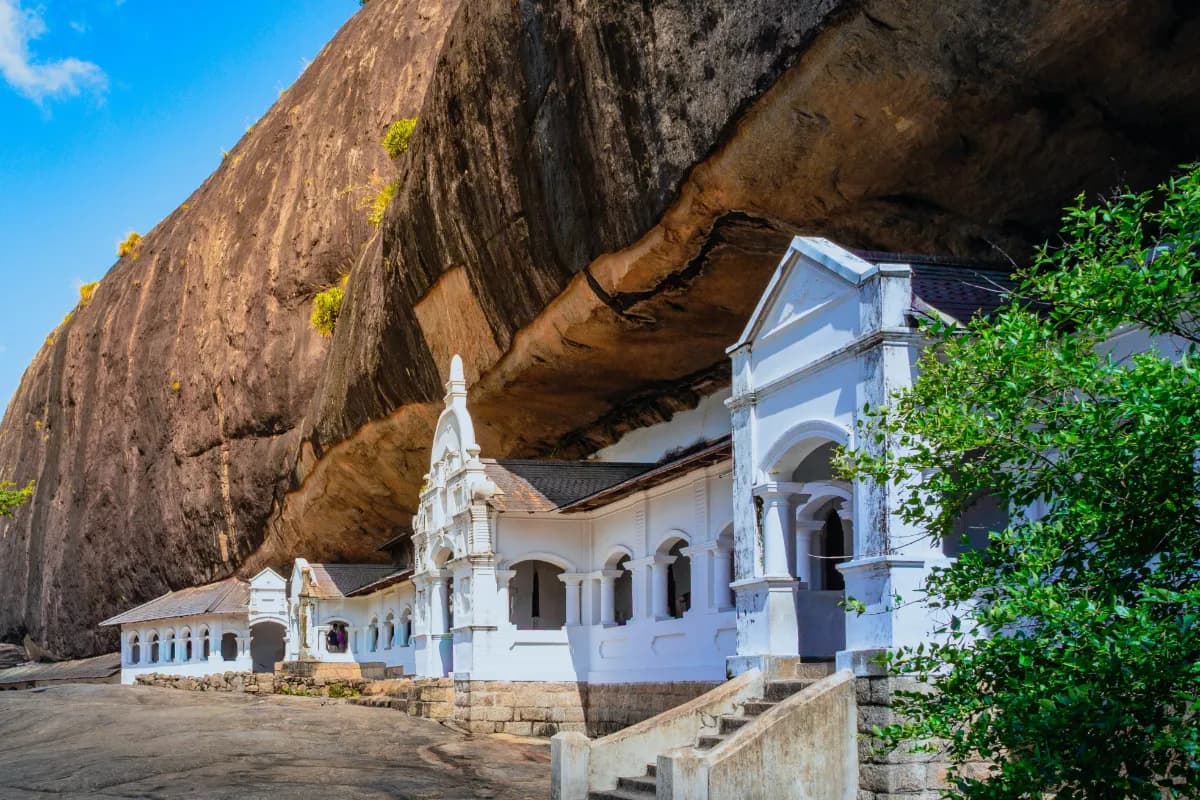
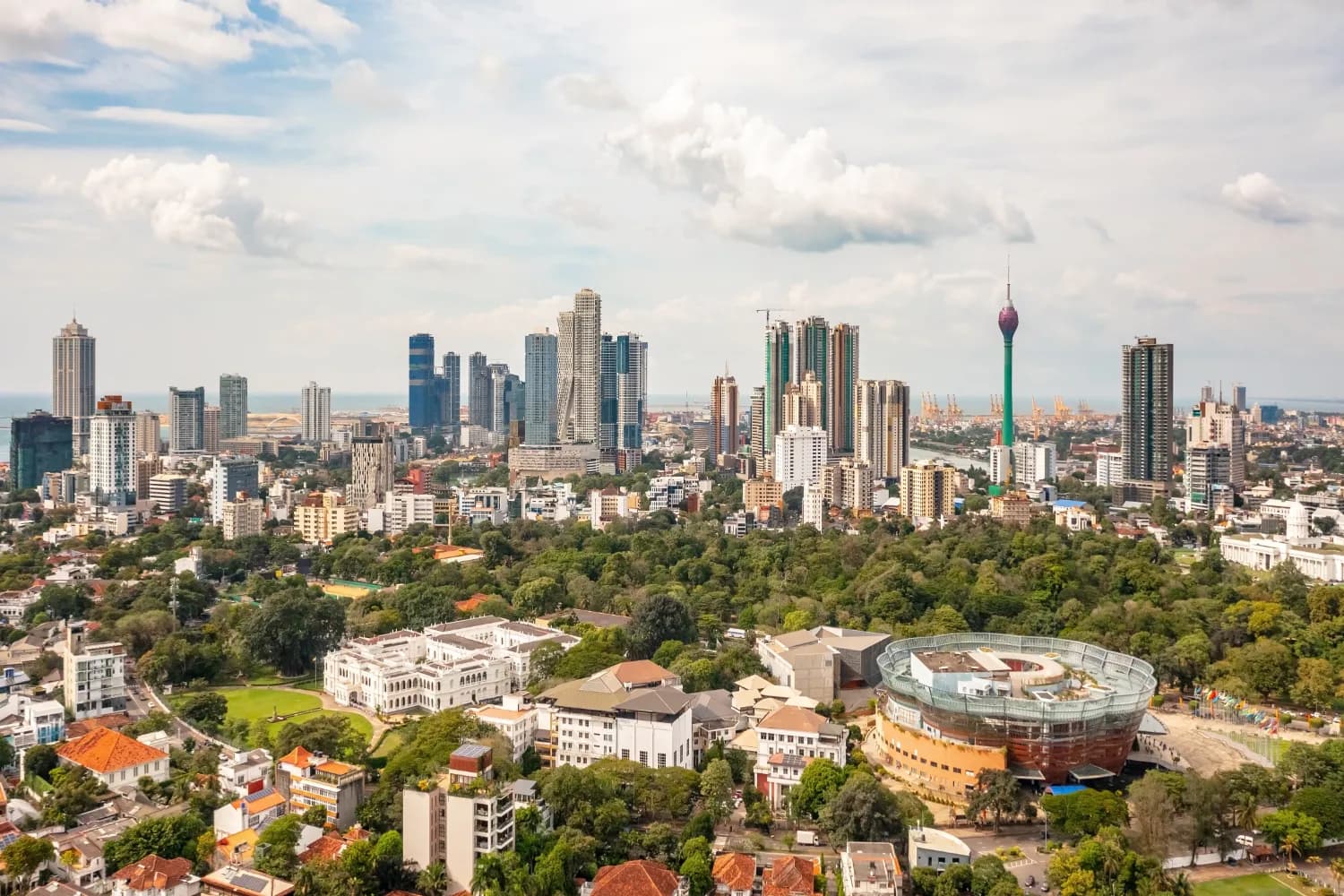
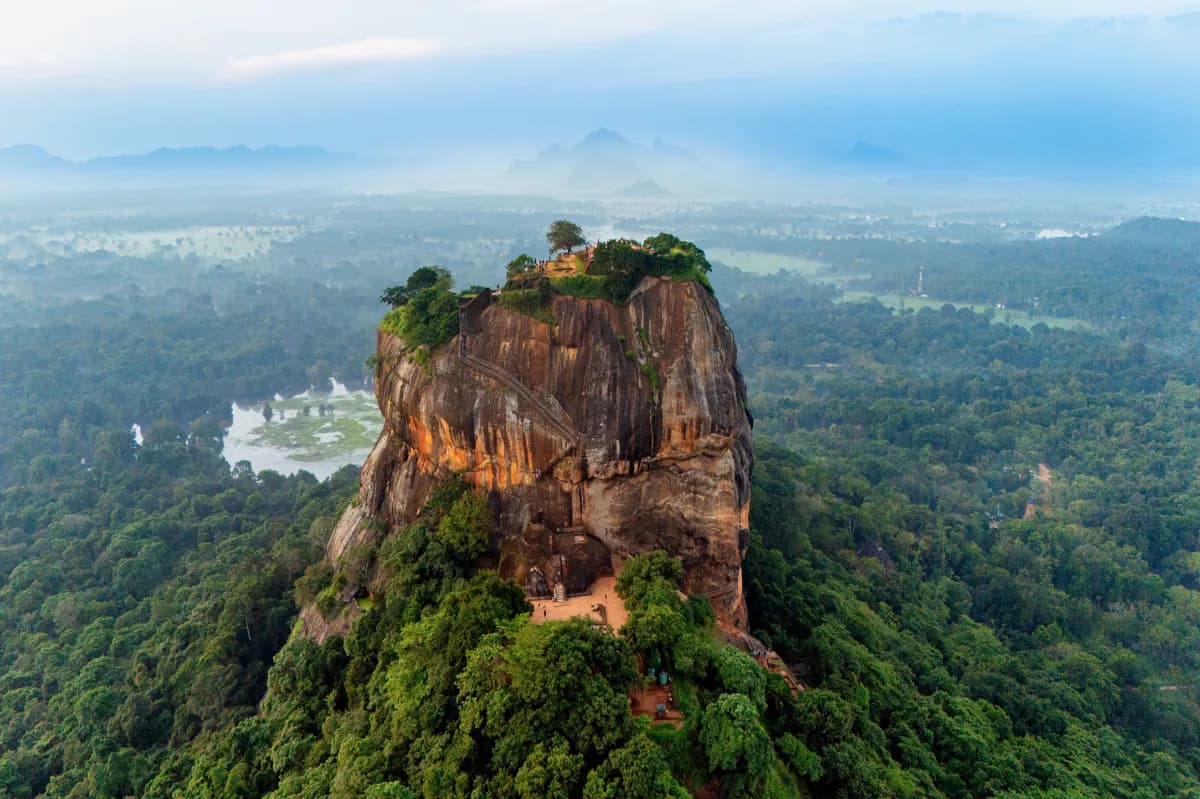
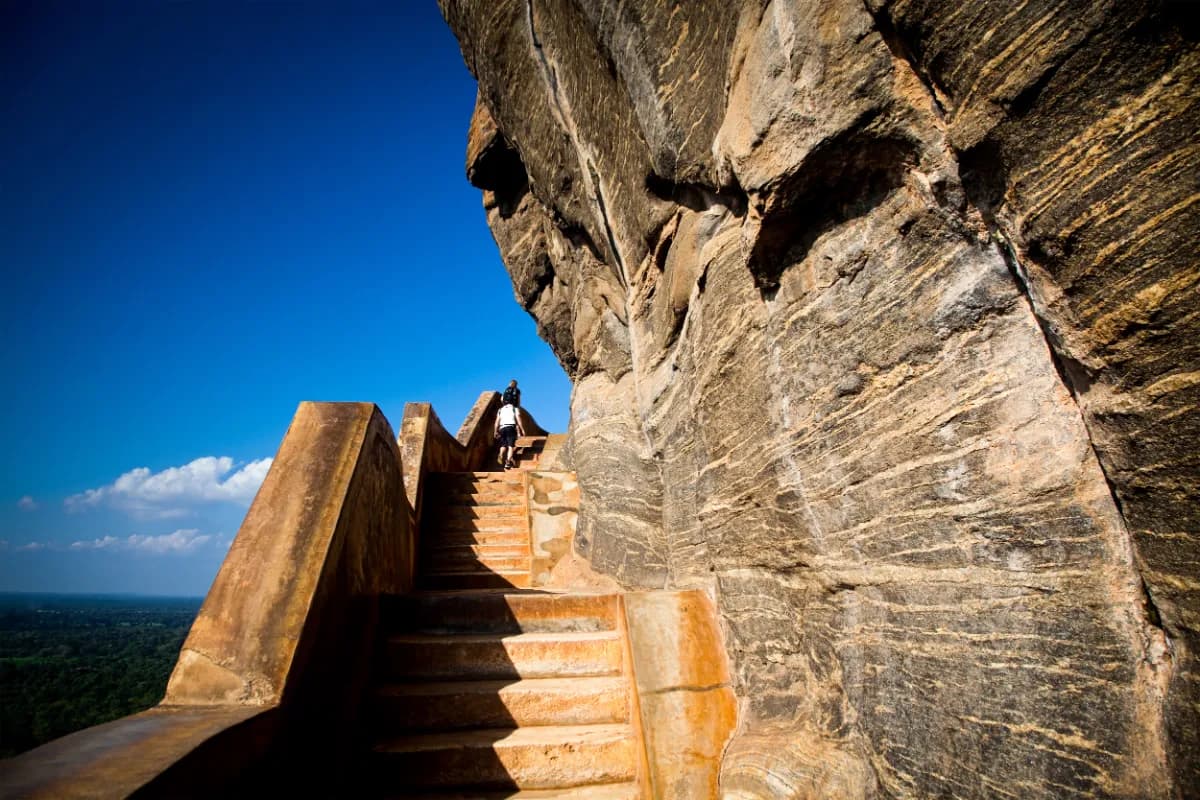
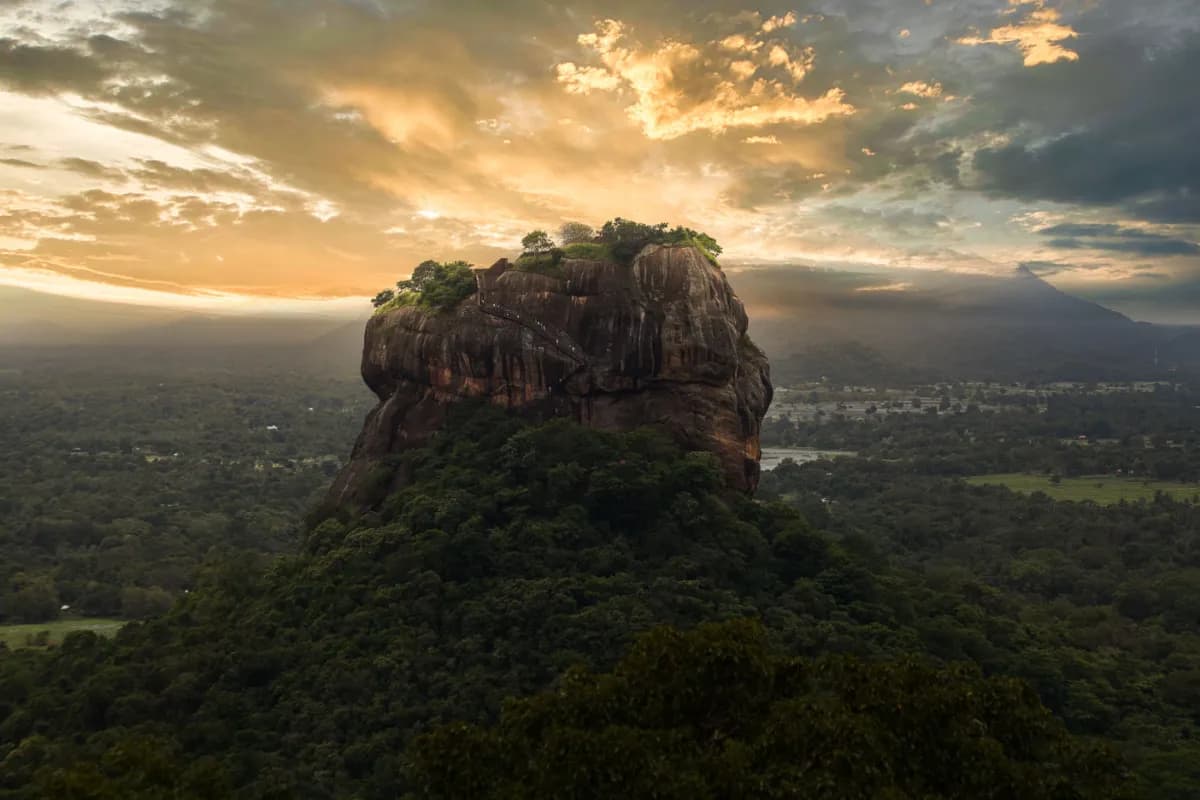
Inland dry zone. Stays arid for most of the year. November and December bring the highest rainfall here, but outside that window, conditions are stable and very manageable. June and July push hot, strong winds through the region. Not unpleasant, just warm. Sri Lanka weather in this zone rewards early risers. Visit Sigiriya at 6:30 AM before the heat builds. You will thank yourself for it.
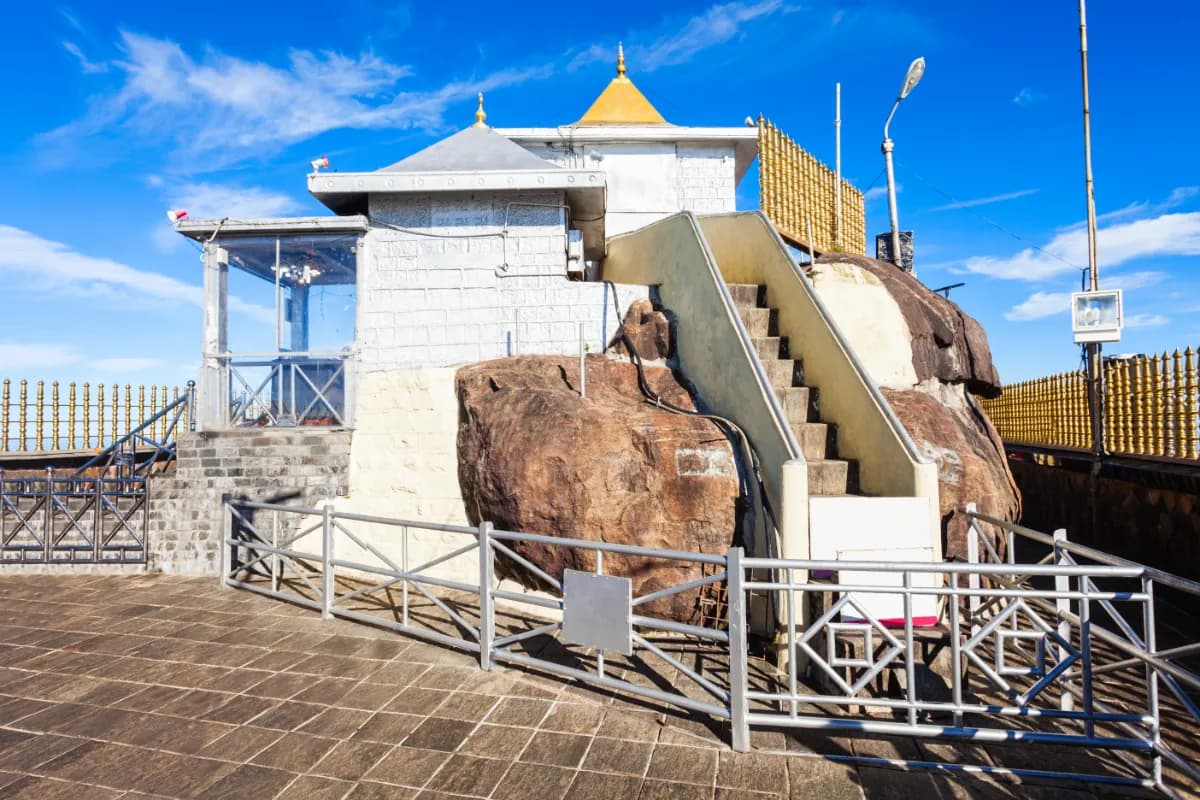
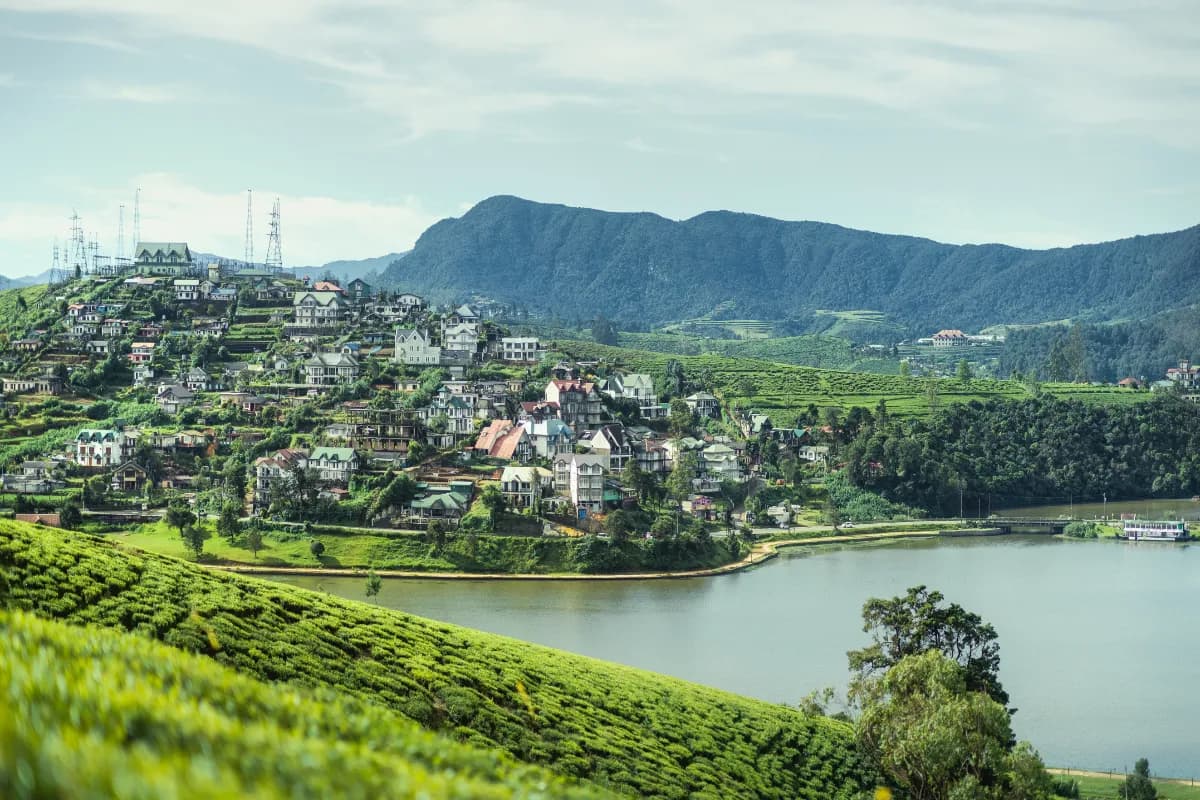
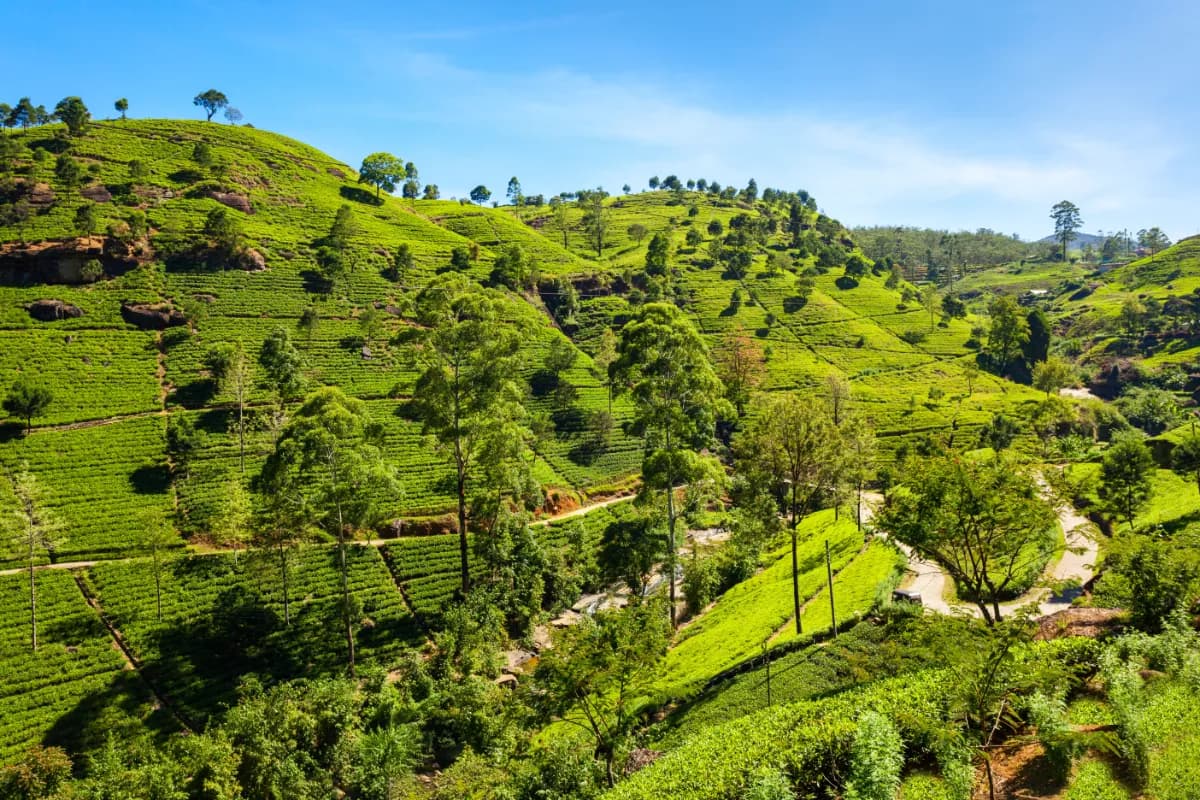
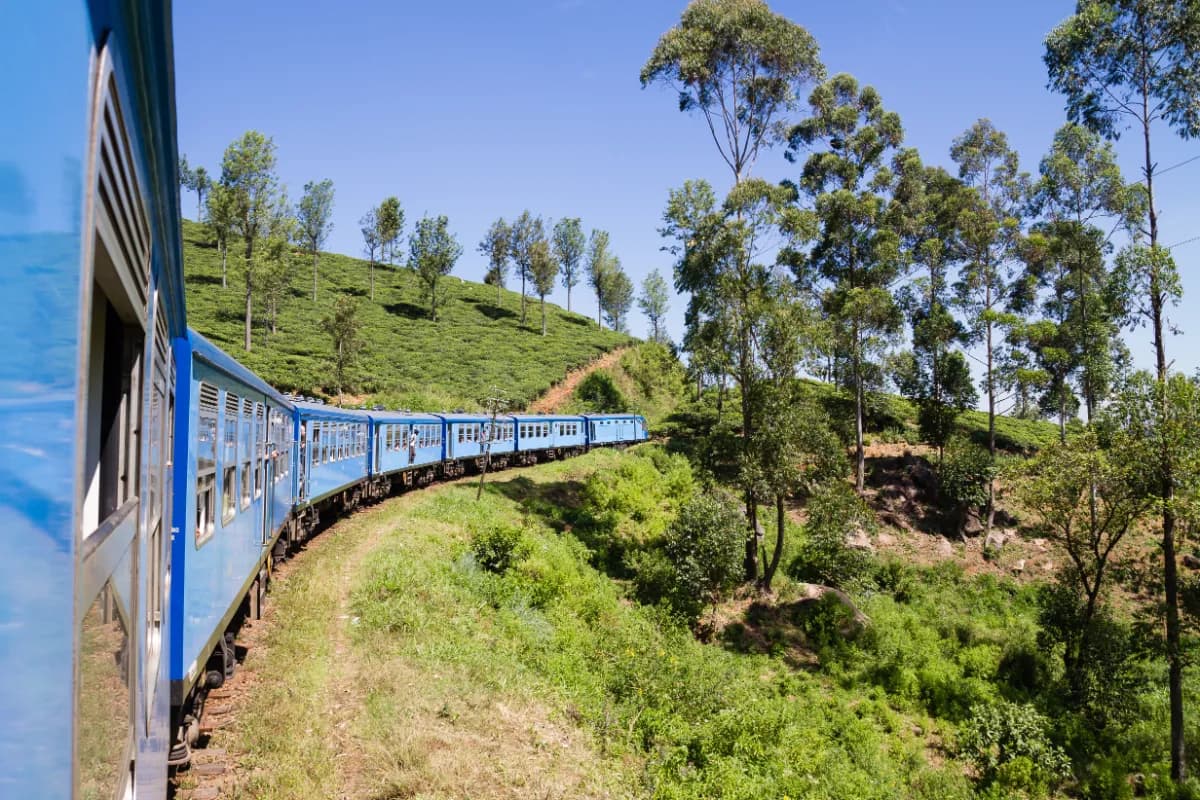
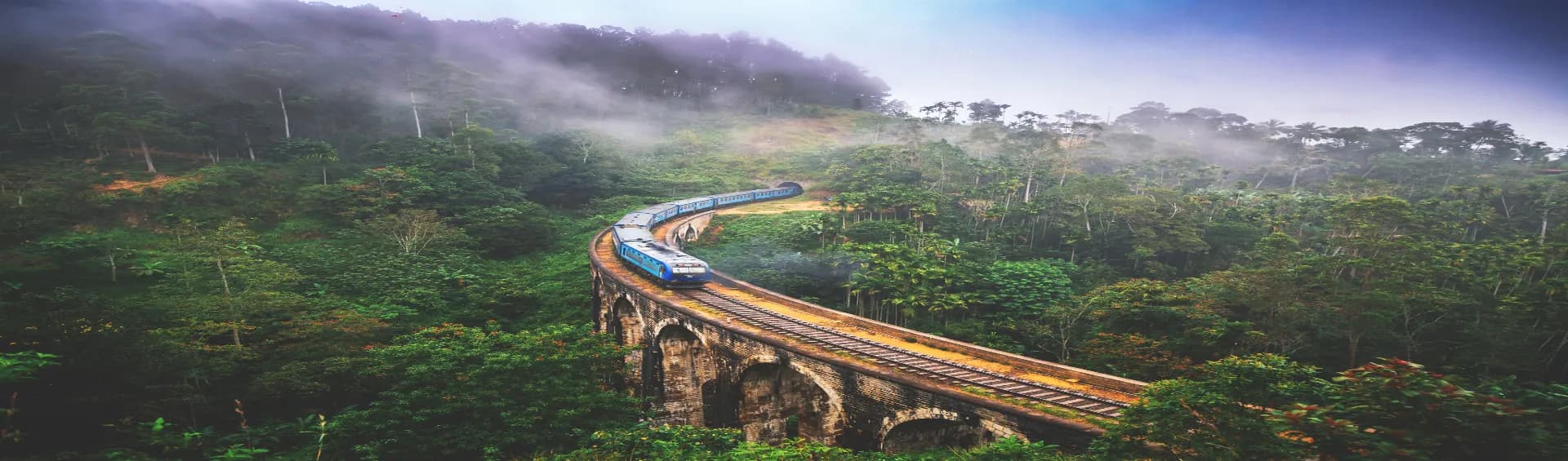
Both monsoons clip this region, which sits at nearly 2,000 metres above sea level. The result is cooler, mistier, and considerably wetter than anywhere on the coast. Nuwara Eliya regularly drops to 10°C at night. People arriving from coastal Sri Lanka in a t-shirt always regret it. Pack a layer. December kicks off the Adam's Peak pilgrimage season, which runs through to May.
The most straightforward window for first-time visitors. West Coast, the South Coast, Cultural Triangle are all performing well simultaneously. Prices reflect that. Colombo hotels and Galle beach properties fill up fast from mid-December. If you are travelling in this window, book early or expect to pay significantly more than the listed rate.
Underrated. April sits right between the two monsoon systems and often delivers excellent conditions on both coasts simultaneously. The south-west still holds before the monsoon builds, and the east is just opening up. Fewer crowds, better availability, and the countryside is often at its greenest after the inter-monsoon rains.
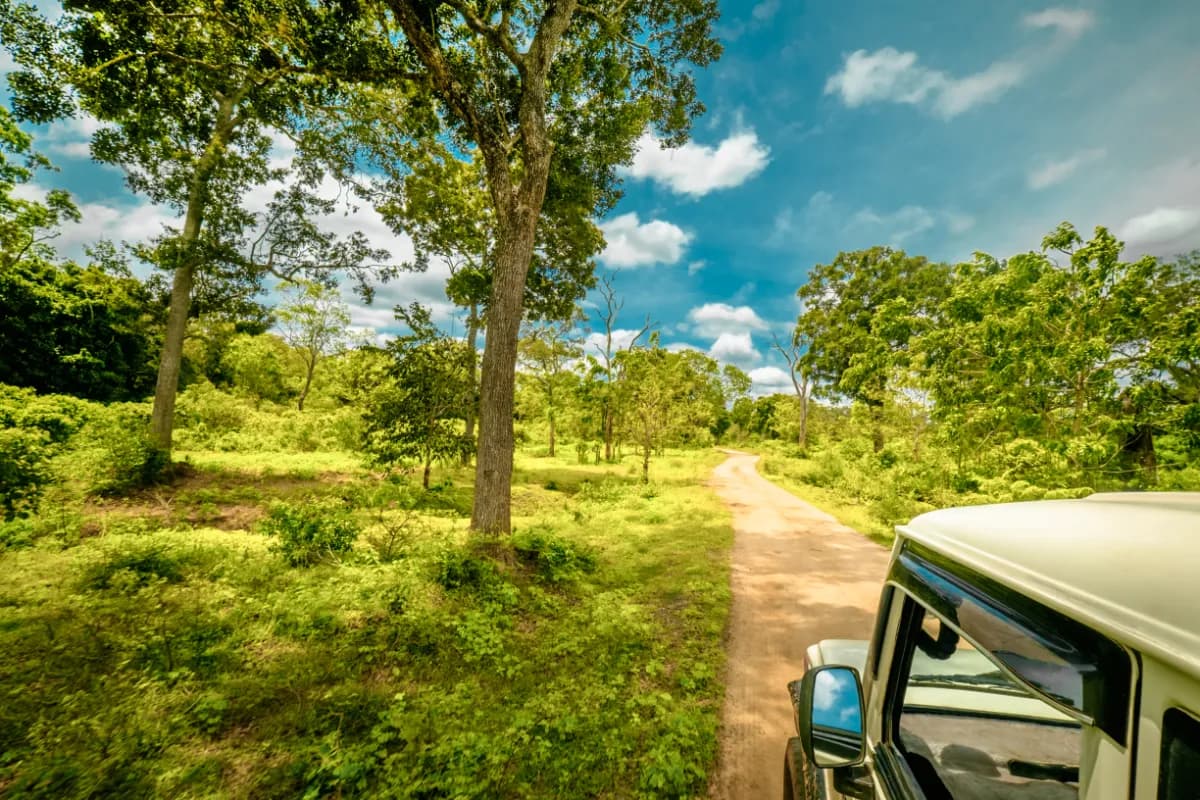
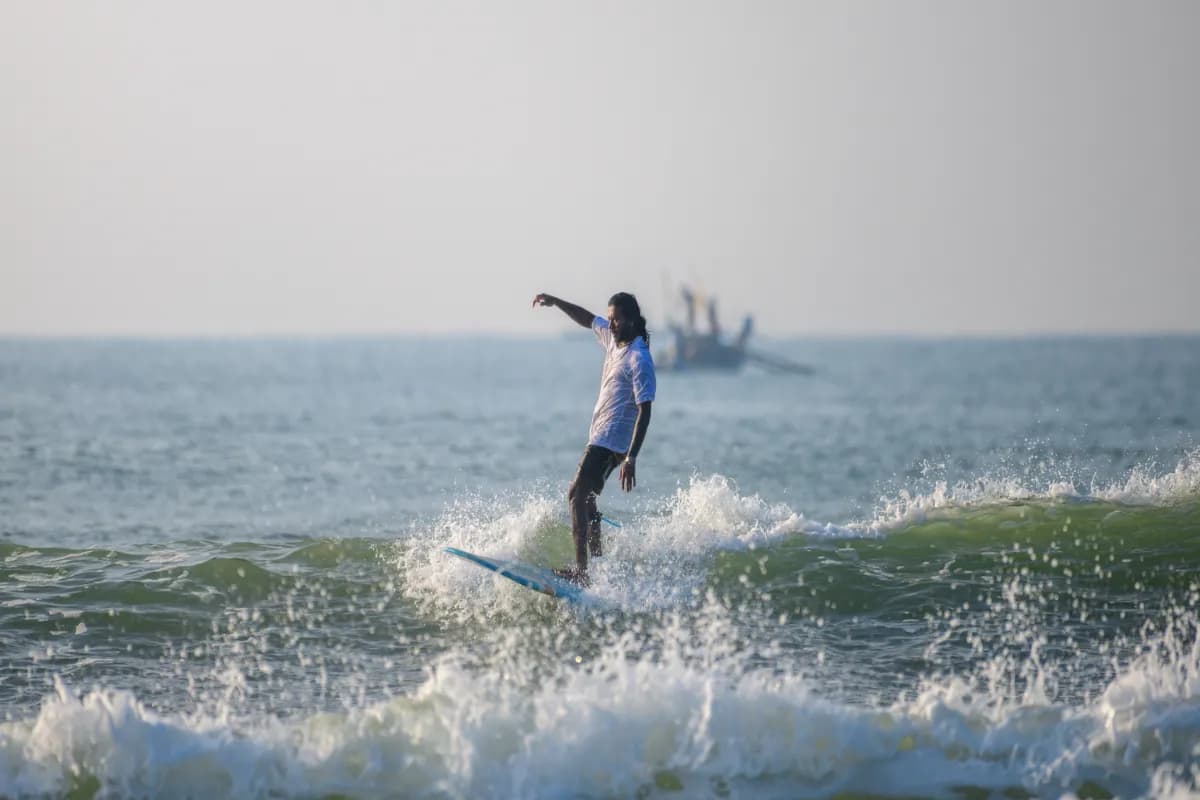
Arugam Bay surf season. Trincomalee at its clearest. Sri Lanka weather July brings dry skies to the east coast, while the west side is deep into monsoon rains. The Cultural Triangle is still perfectly accessible during this period.
The most unpredictable stretch. Short rainstorms can appear anywhere in October. November slowly stabilises, and by the second half of the month, the west coast is starting to clear. Not ideal for beach-focused trips, but honestly fine for Kandy, the Cultural Triangle, and Jaffna. Just build flexibility into the itinerary.
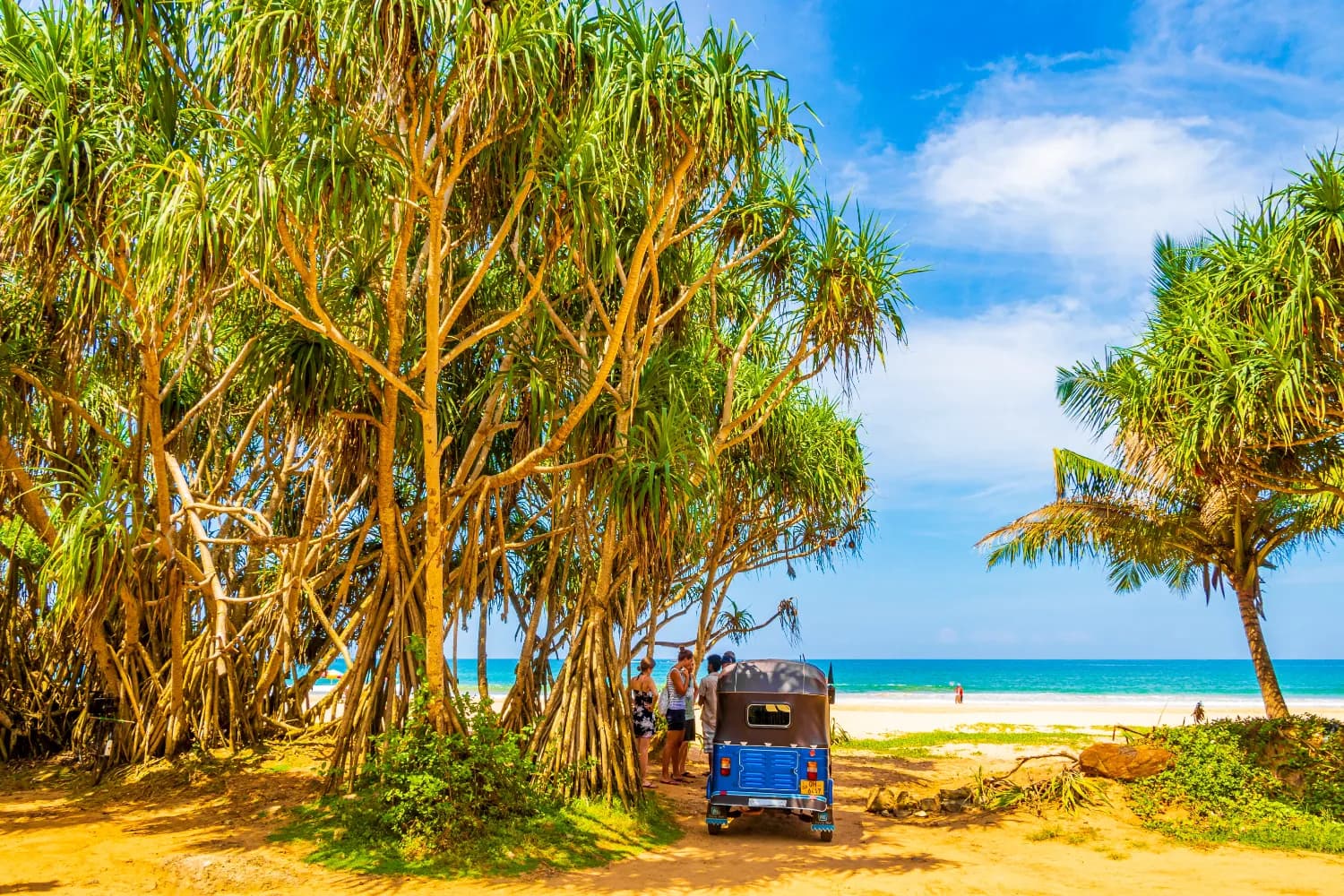
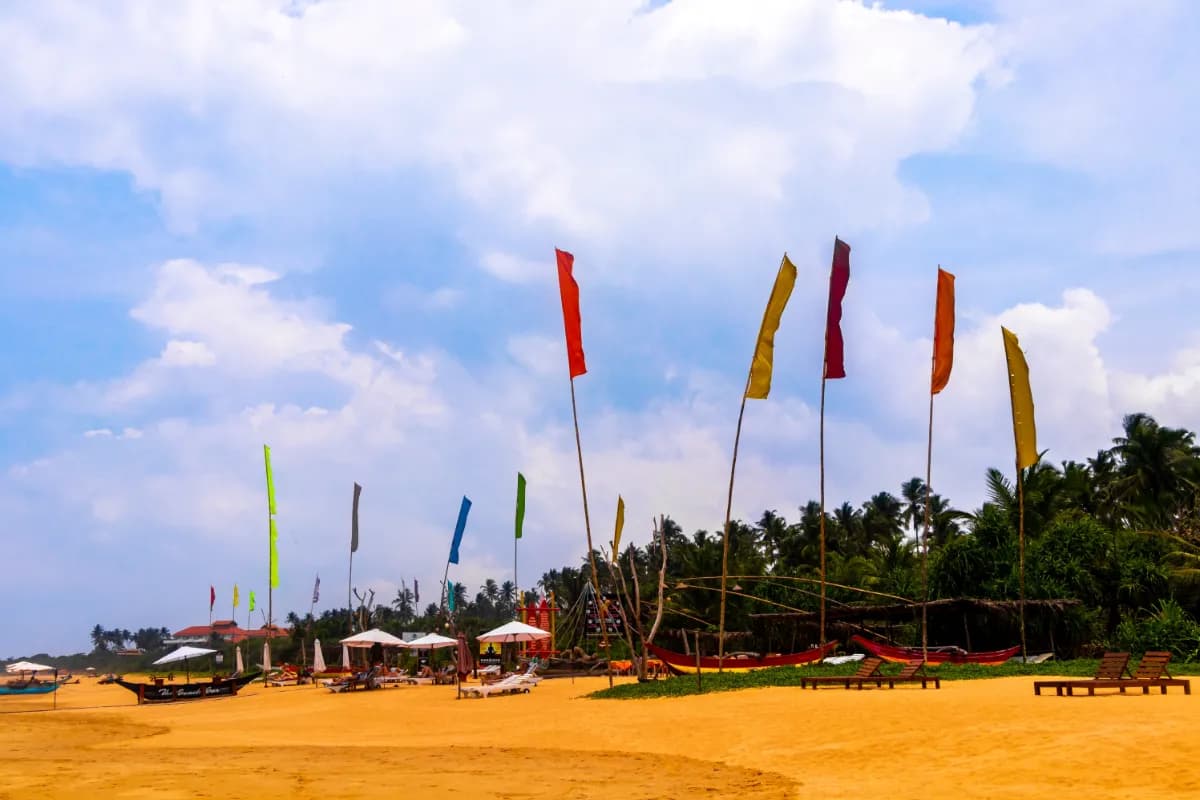
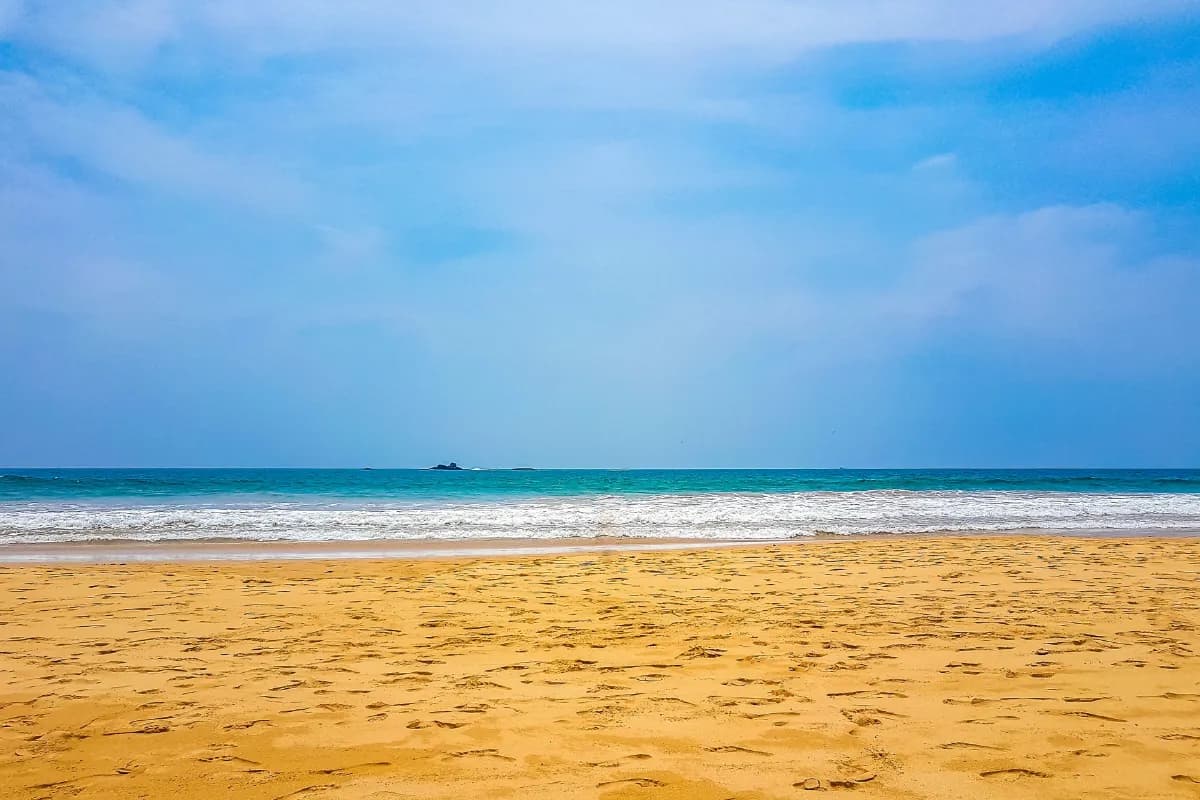
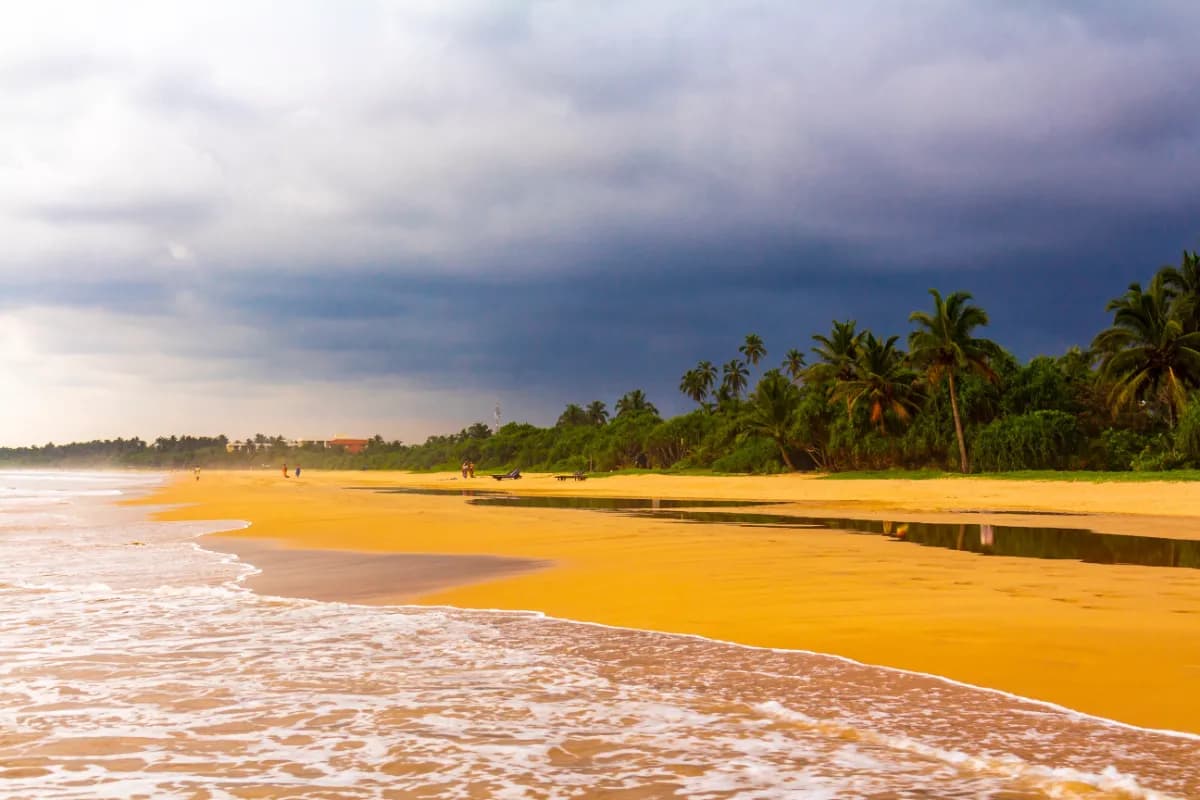
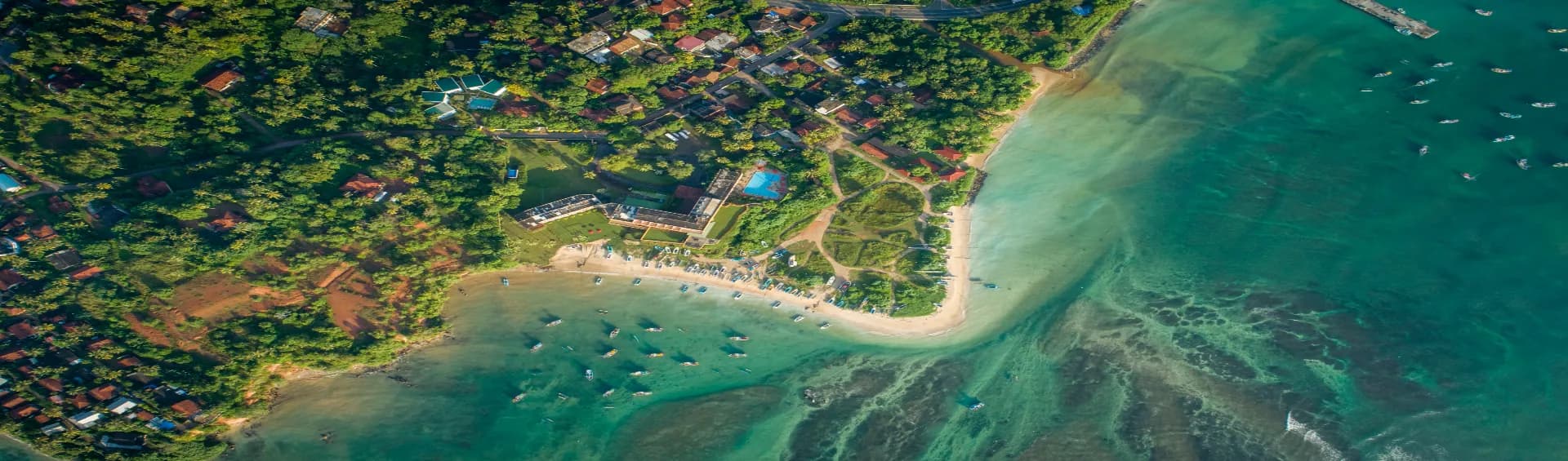
Bentota, Unawatuna, Mirissa. Calm water, low rainfall, around 29°C. This is the version of Sri Lanka that ends up on travel magazine covers.
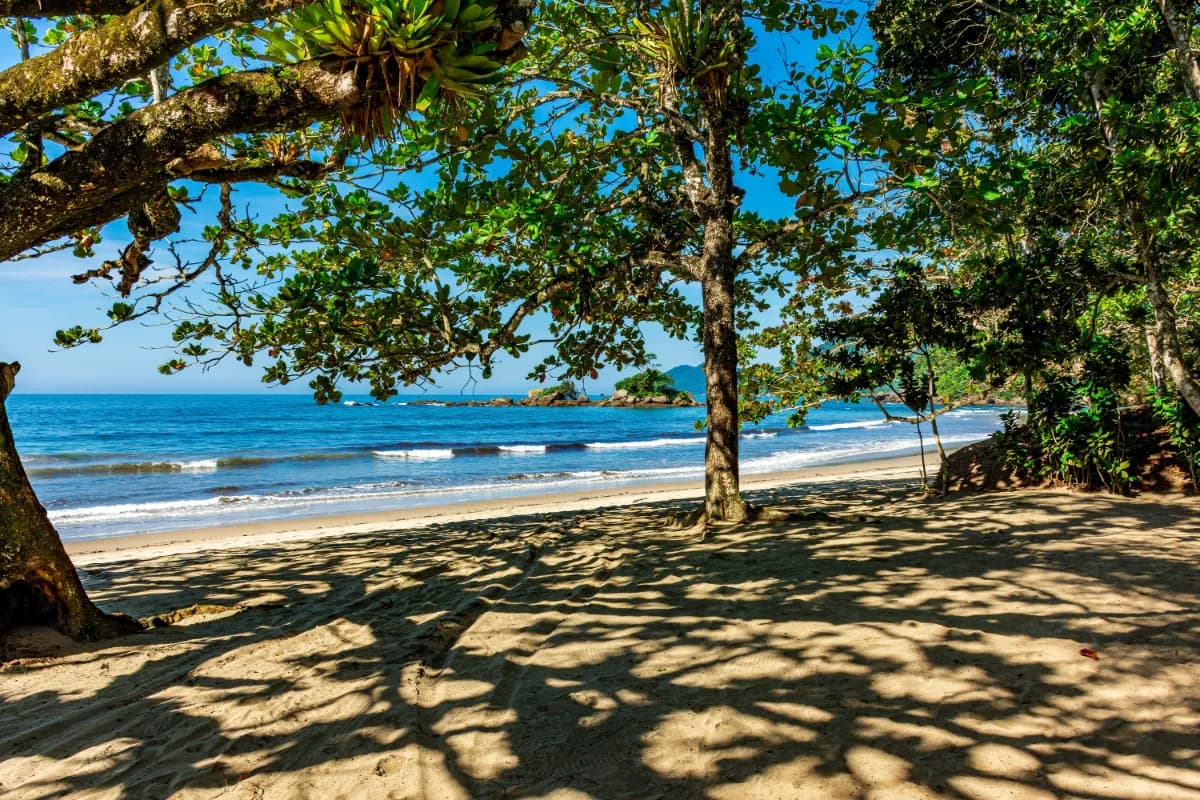
Passekudah, Nilaveli, Arugam Bay. Some of Asia's least crowded coastline during this window. The water is warm, and the resort scene is quieter than the south, which is either a drawback or the whole point, depending on what you are looking for.
Sri Lanka weather on the north-west coast gives Kalpitiya a longer usable window than most beaches on the island. Windy from June to September, which keeps the swimmers away and brings the kite-surfers in. A genuinely niche destination that rewards travellers who know about it.
The temperature itself rarely shocks anyone arriving from the UAE or South Asia. What catches people off guard is how humidity changes the experience entirely.
Ella and Nuwara Eliya average 15°C to 18°C during the day. At night, it drops further. Not cold by European standards, but genuinely chilly if your bag is packed for a beach holiday.
Colombo stays above 70% humidity year-round. During monsoon months, that pushes close to 90%. The Cultural Triangle drops to around 60% in March, which feels noticeably more comfortable. Highlands sit between 70% and 80% throughout the year. If you are sensitive to humidity, early December and late March are the sweet spots on the coast, when the air is drier, and the heat feels less oppressive.
The travellers who come back disappointed almost always made the same mistake: they chose dates first and checked the weather second. A two-week trip to the south coast in June is not a bad trip because Sri Lanka failed. It is a bad trip because the planning ignored a monsoon that has been arriving in June for centuries.
Pick the region first. Match it to a month. Then book the flights. That order matters more than almost any other decision in the planning process.
Yes, genuinely. No single month shuts the entire island down. The west coast works in winter, the east coast works in summer, and the highlands and cultural sites fit into almost any itinerary year-round. The key is not picking the right month; it is picking the right region for the month you already have.
No month is universally bad. October and early November are the most unpredictable island-wide. May to September brings heavy rain to the west and south coasts, but those same months are excellent on the east coast. The mistake is treating the whole island as one weather zone.
Rarely. Most rain falls in short, heavy bursts, sometimes 20 minutes of intense downpour followed by sunshine. What changes is how often that happens and the occasional severe event that causes localised flooding. A full day of continuous rain is unusual. A morning of grey skies clearing by afternoon is very common.
December is the start of peak season on the west and south coasts. Around 28°C to 30°C, humidity easing after the monsoon, good beach conditions. The Cultural Triangle sees its highest rainfall of the year in December, so plan any temple or rock fortress visits early in the morning before the clouds build.
Lightweight clothes for the coast, always. A waterproof layer if you are visiting the West Coast between May and September. For the highlands, a warm layer for evenings is not optional; it is necessary. Sun protection matters year-round regardless of season or cloud cover.
February 17, 2026
February 17, 2026
June 4, 2026
June 3, 2026
June 3, 2026