 Sri Lanka
 historical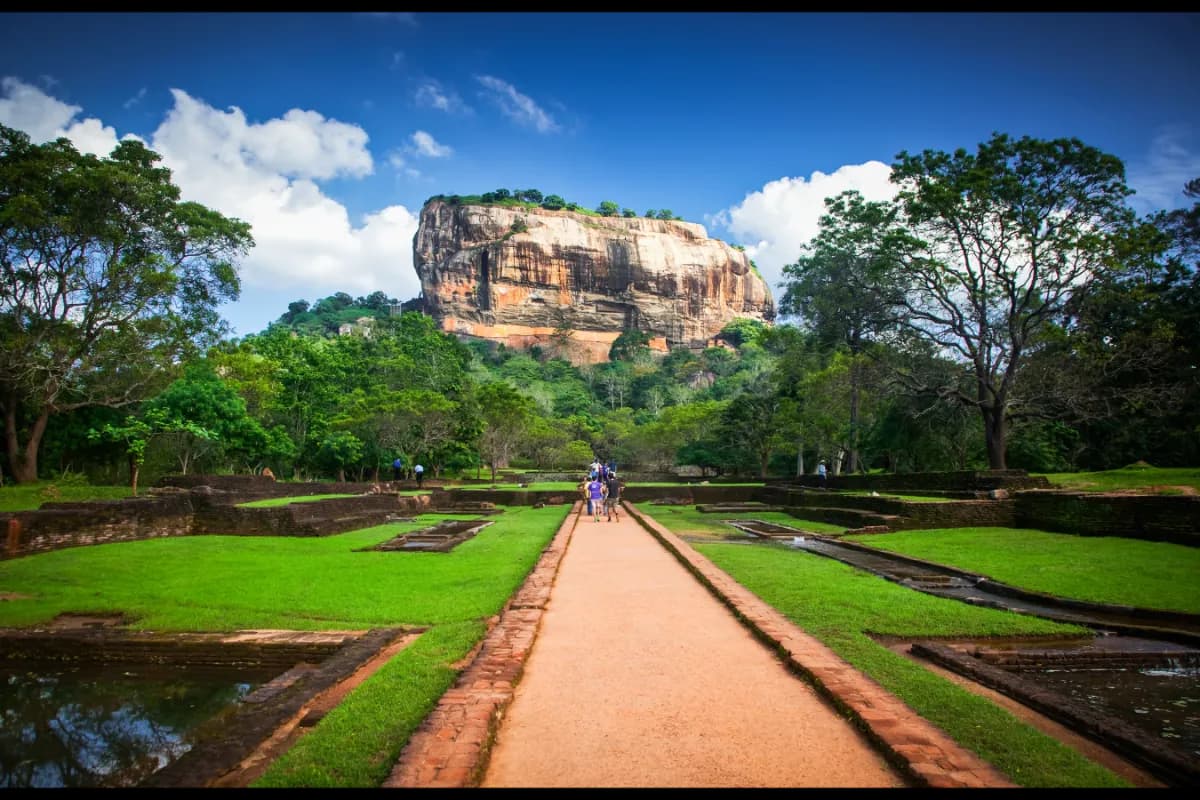
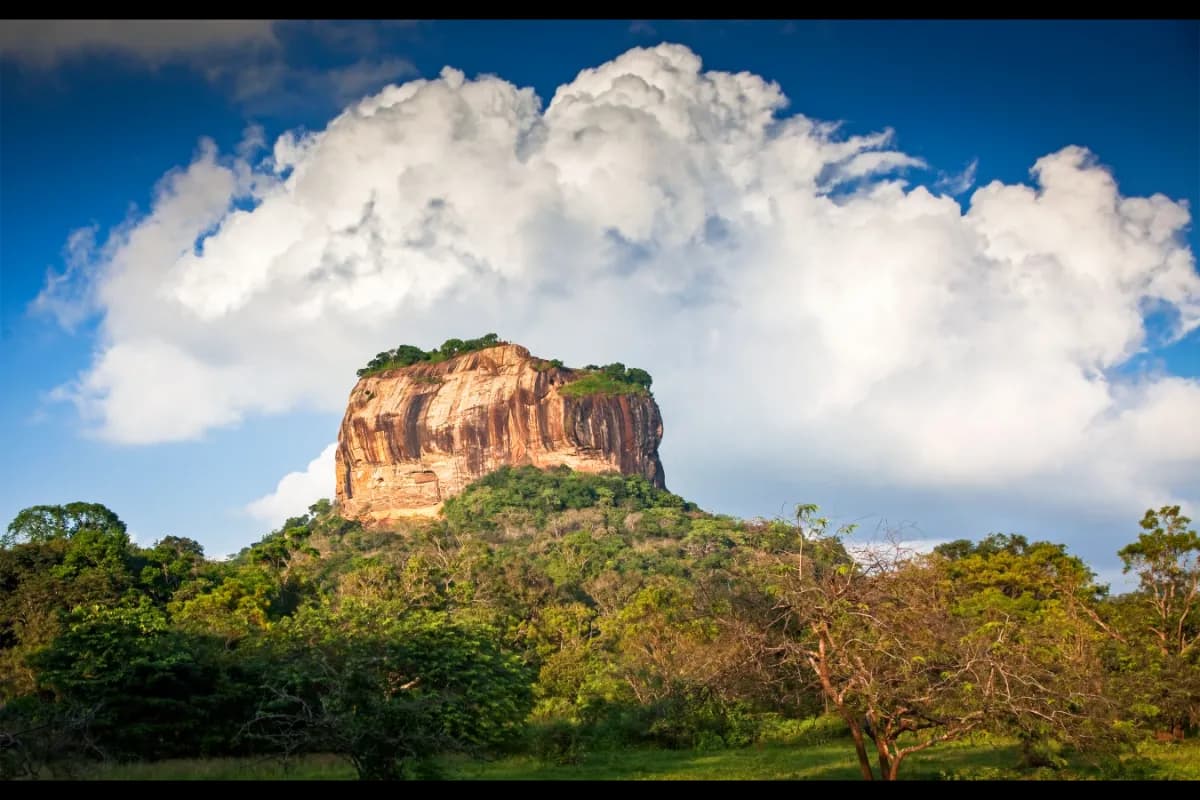
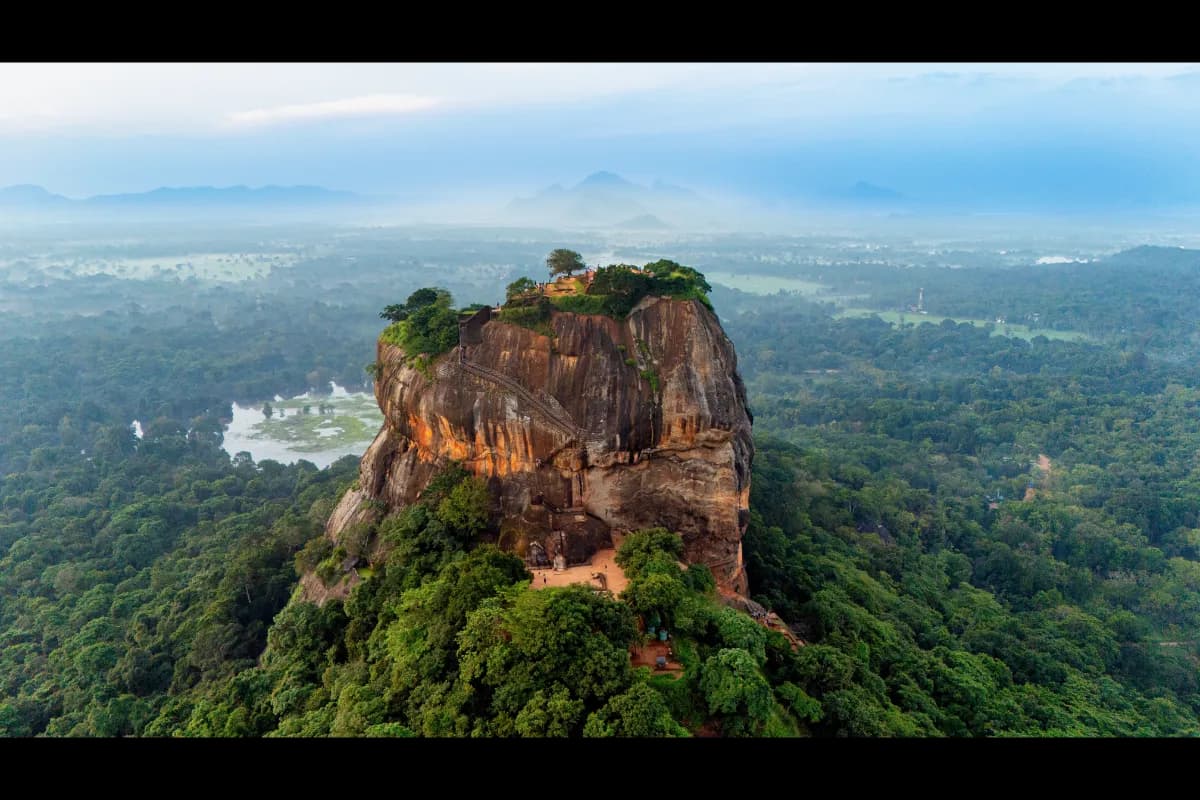
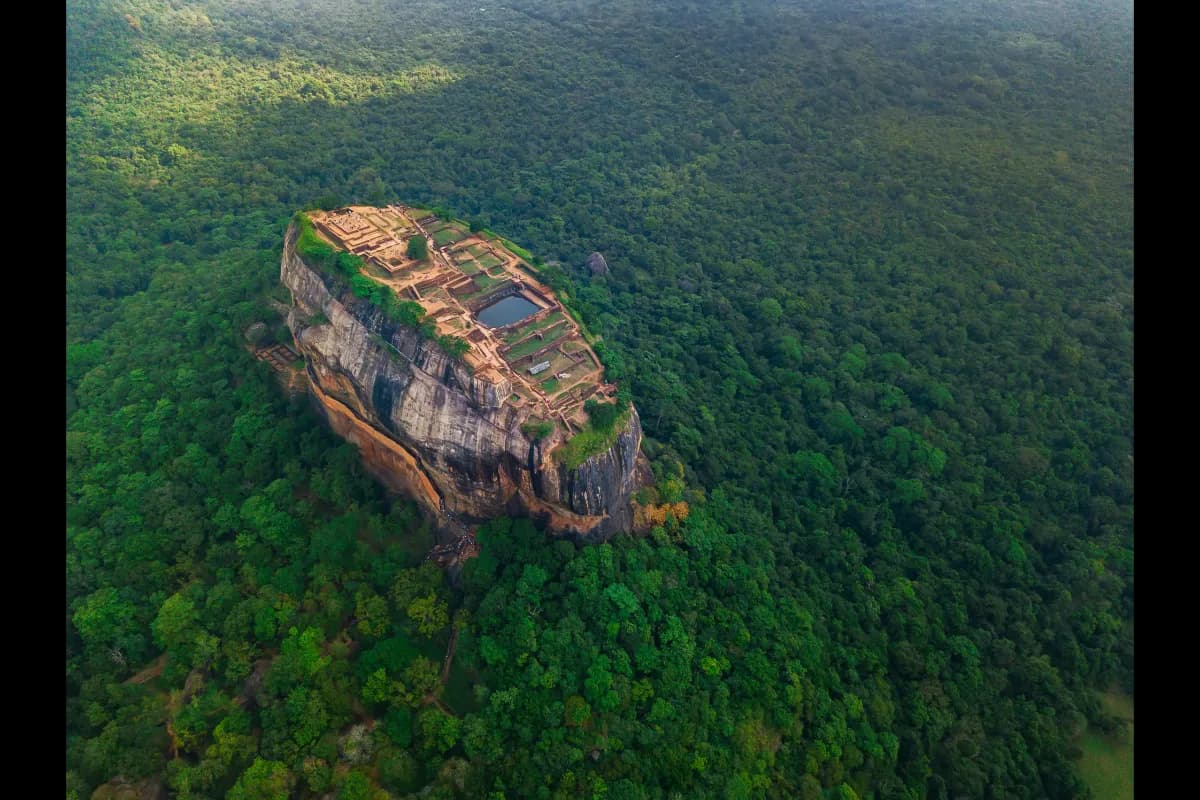
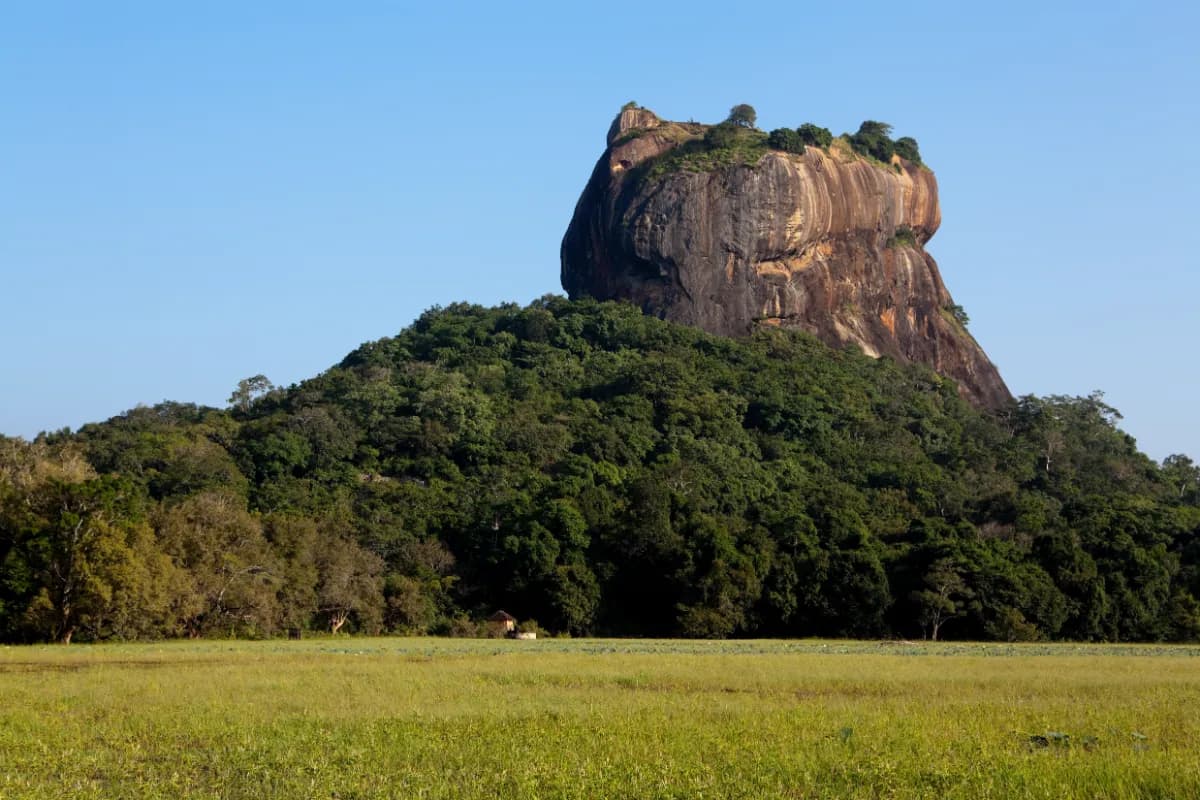
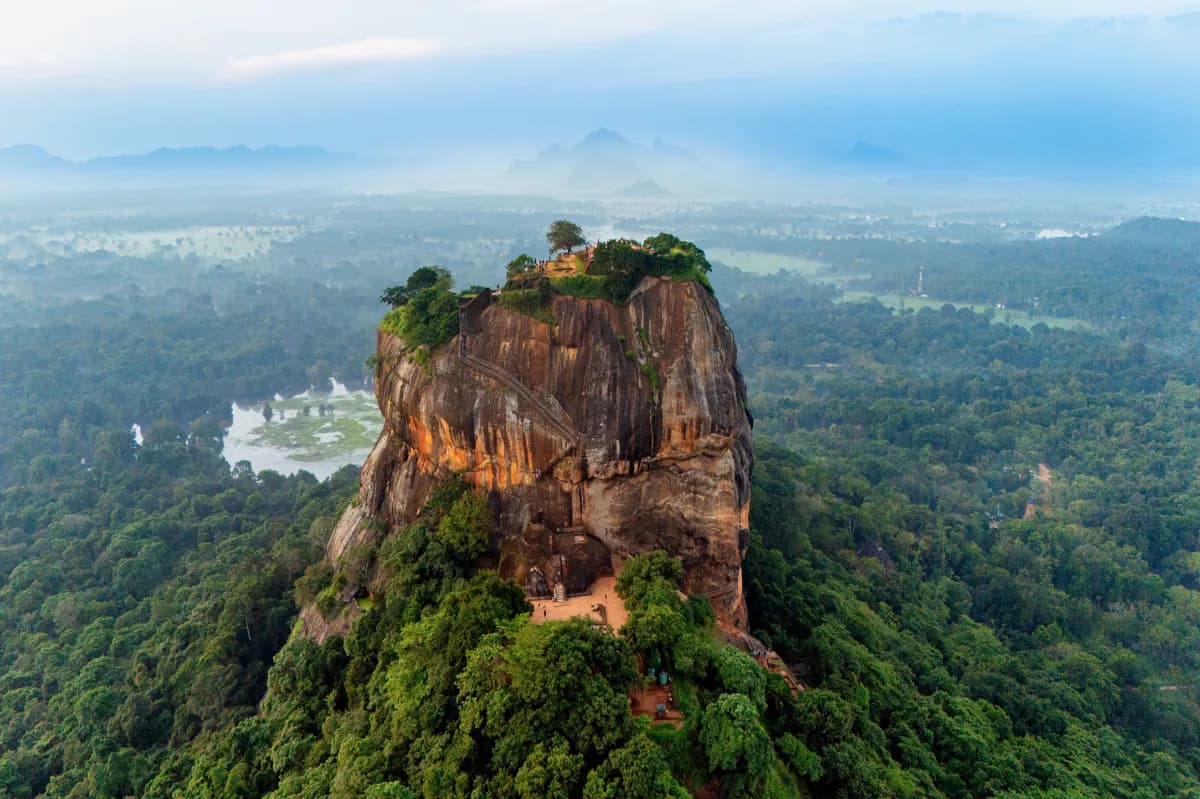
Sigiriya is an ancient rock fortress rising from the plains of central Sri Lanka. Built in the 5th century atop a massive granite outcrop, it once served as a royal citadel under King Kashyapa. The site is great to get the exposure of history, architecture, and landscape in a way that feels deliberate and symbolic rather than just decorative. From its water gardens at the base to the ruins at the summit, Sigiriya reflects careful planning shaped by power, protection, and aesthetics.
Rather than rushing through, Sigiriya often appears in Sri Lanka tour packages, and it allows you time for immersion. The climb, gardens, and elevated ruins create a layered experience that unfolds gradually with each level.
Entry Fee: AED 128, which includes access to the gardens, frescoes, mirror wall, and summit ruins.
Day Wise Timings
Maps & Location
Sigiriya, Sri Lanka
Essential Information
Point of Interest for Sigiriya
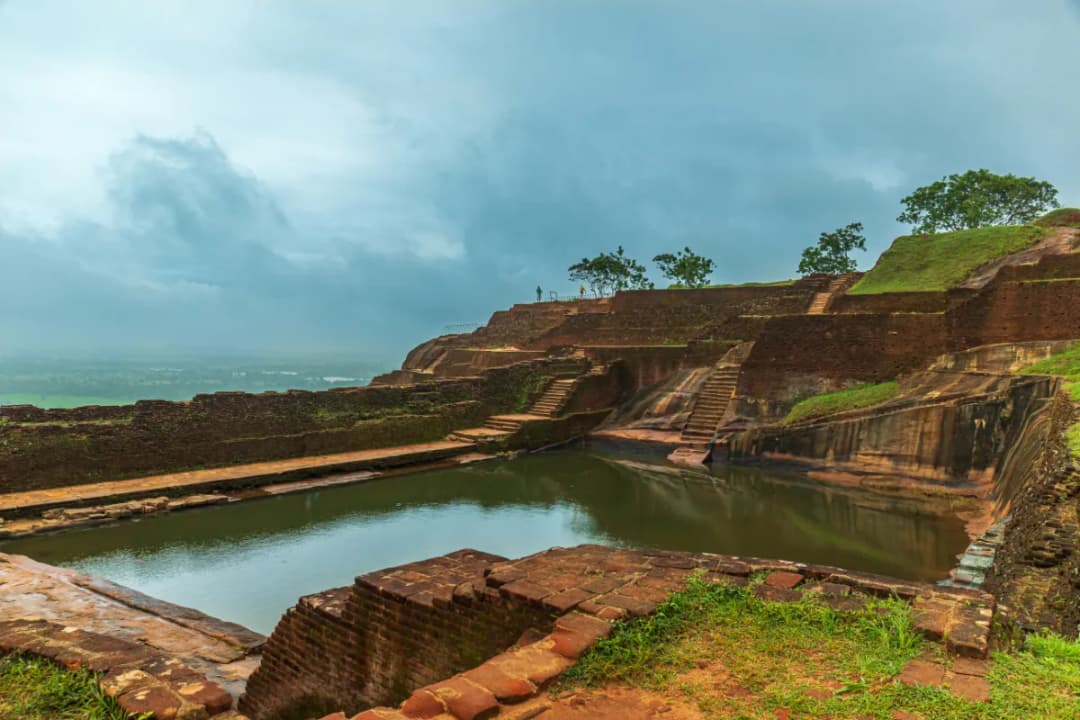
Water Gardens
Symmetrical pools and fountains at the base showcasing advanced ancient hydraulic engineering.
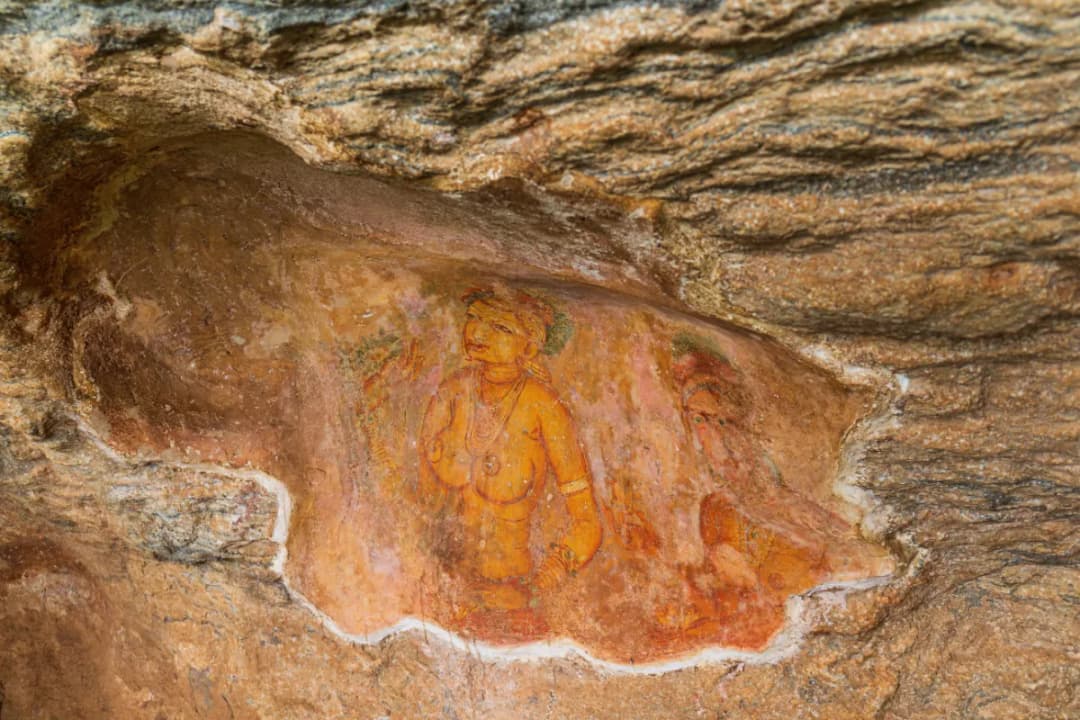
Sigiriya Frescoes
Well-preserved wall paintings depicting celestial maidens, offering insight into ancient artistic styles.
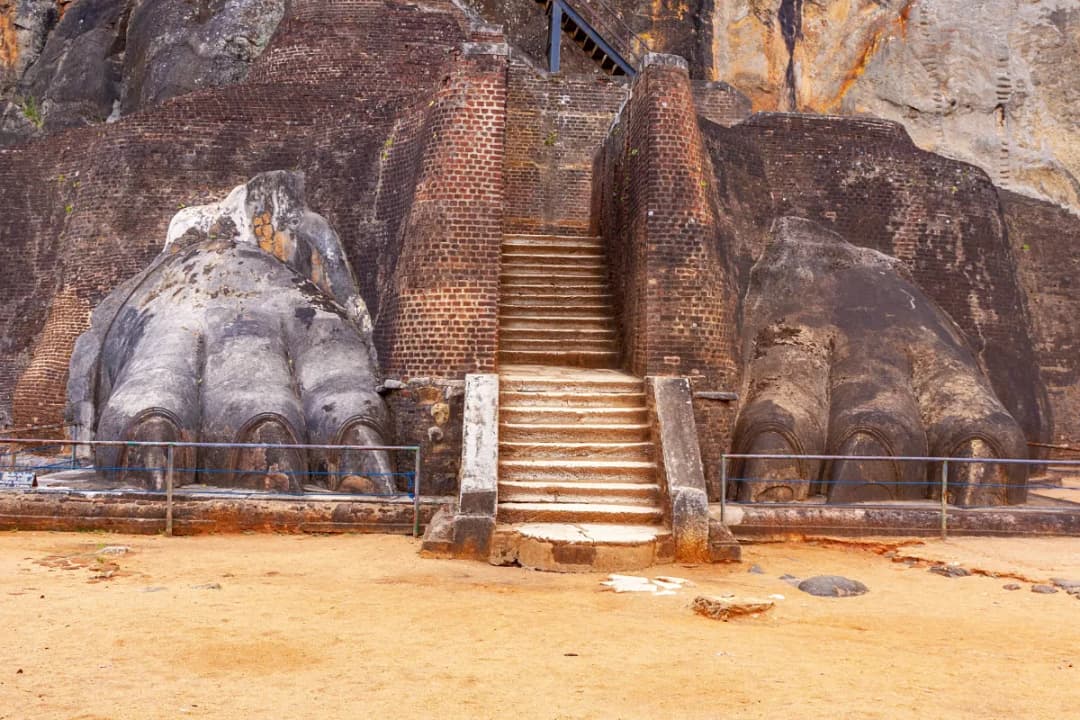
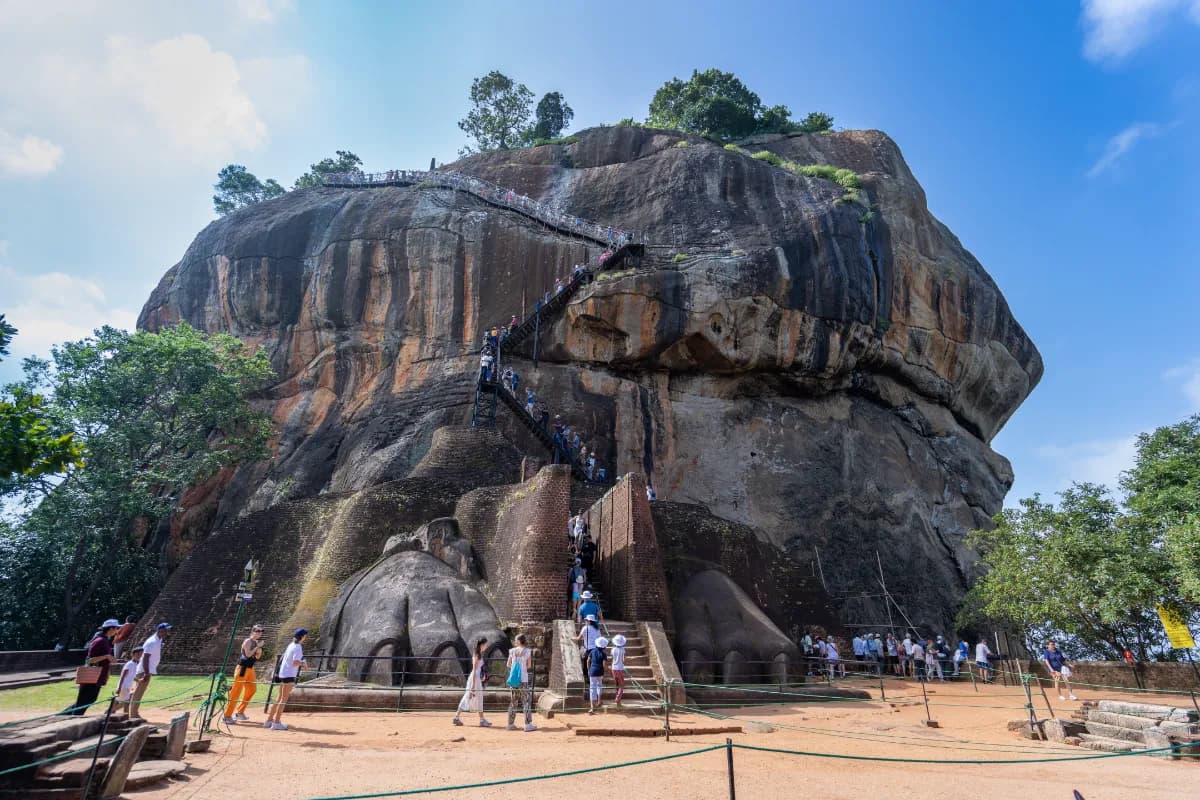
Lion’s Paw
The iconic midpoint entrance marked by massive carved lion paws, once forming the gateway to the summit palace.
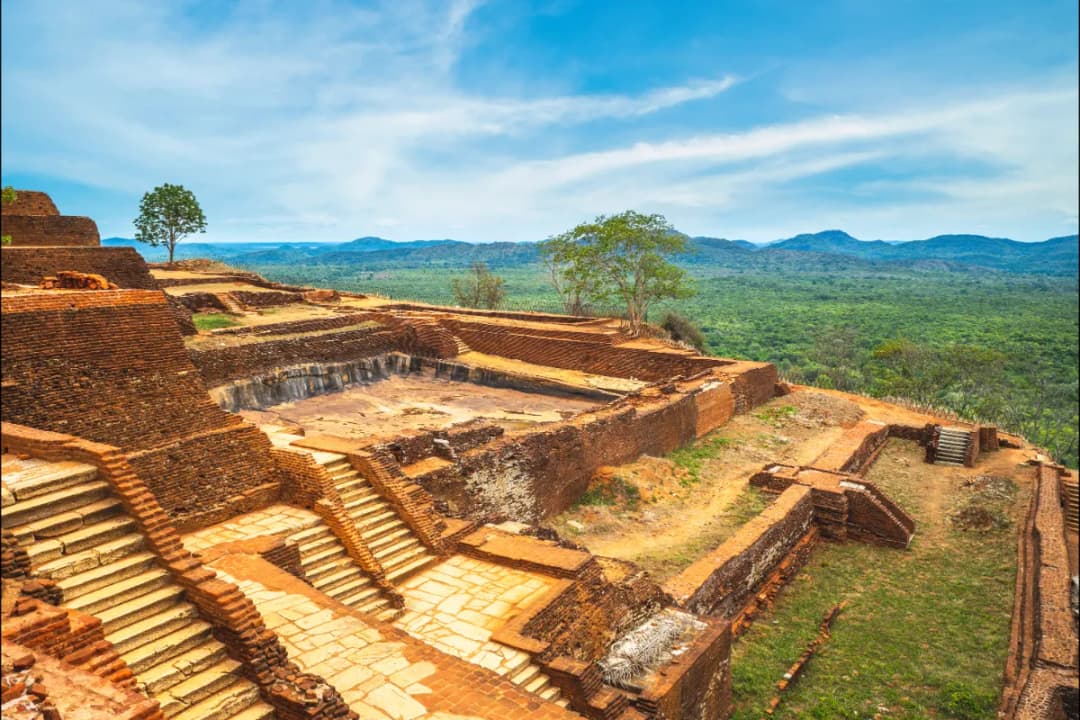
Summit Ruins
Remains of royal structures, pools, and platforms provide expansive views across forests, villages, and distant hills.
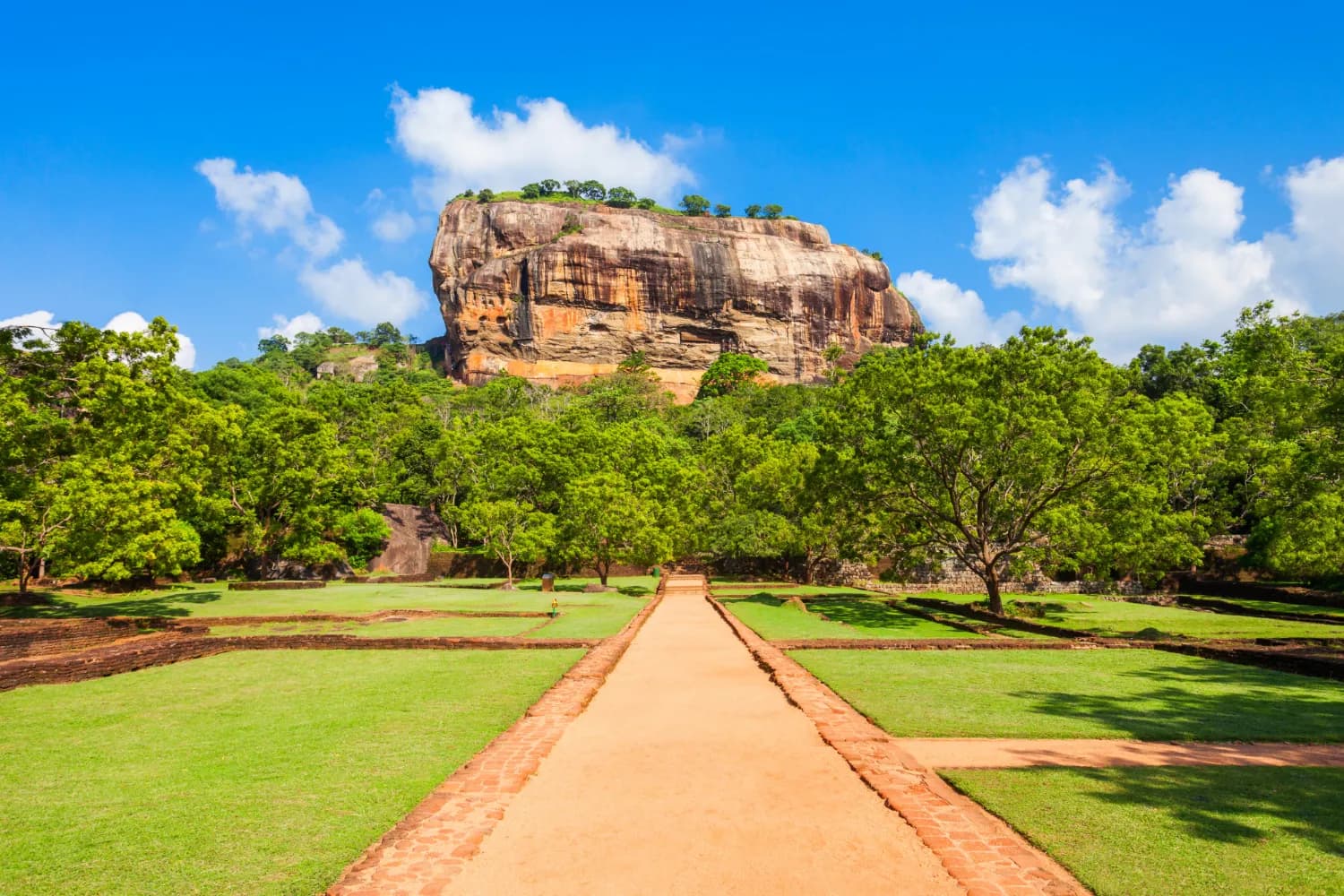
Sigiriya is sometimes linked to Ravana through local legends, but historians agree there is no archaeological evidence connecting the site directly to Ravana or his reign.
Sigiriya stands out because of its fusion of fortress design, advanced water systems, fresco art, and strategic elevation, all integrated into a natural rock formation.
Sigiriya appears in Ramayana-based folklore, though these associations are mythological interpretations rather than historically proven links supported by archaeological findings.
The mystery lies in its sudden abandonment, debated purpose, and whether it served purely as a fortress, palace, or symbolic monument to royal authority.
The climb is moderately challenging, involving staircases and exposed sections, but manageable for most visitors with average fitness.

Trusted by 1,00,000+ travellers

Dedicated experts to plan your trips

Secure bookings, clear cancellations

10,000+ unique trips to choose from

5.0

Sofia Delgado
Reviewed: Nov 26, 2025A magical and spiritual experience exploring Sri Lanka’s ancient wonders.
A magical and spiritual experience exploring Sri Lanka’s ancient wonders.
Hassan Alvi
Reviewed: Sep 28, 2025A very meaningful cultural journey through sacred traditions and history.
A very meaningful cultural journey through sacred traditions and history.