
 11 Minutes
Booking a trip to Azerbaijan without checking the ‘best time to visit Azerbaijan’ is a big mistake most people only make once. A friend landed in Baku in July, expecting a breezy city break. What she got was 40°C humidity, packed beaches, and hotel prices that had quietly doubled since April. The country rewards timing. Get it right and Azerbaijan genuinely surprises you.
Most travel content stops at "spring and autumn are ideal." That is accurate but lazy. Before you lock in any Azerbaijan tour packages, you need to know what each season actually delivers, who it suits, and what UAE travellers specifically need to factor in.
AED 1,849
per person
AED 1,899
per person
AED 1,799
per person
September and October suit most travellers best. April and May are close behind. Summer works with the right planning. Winter is genuinely good if skiing or a quiet city break is the goal.
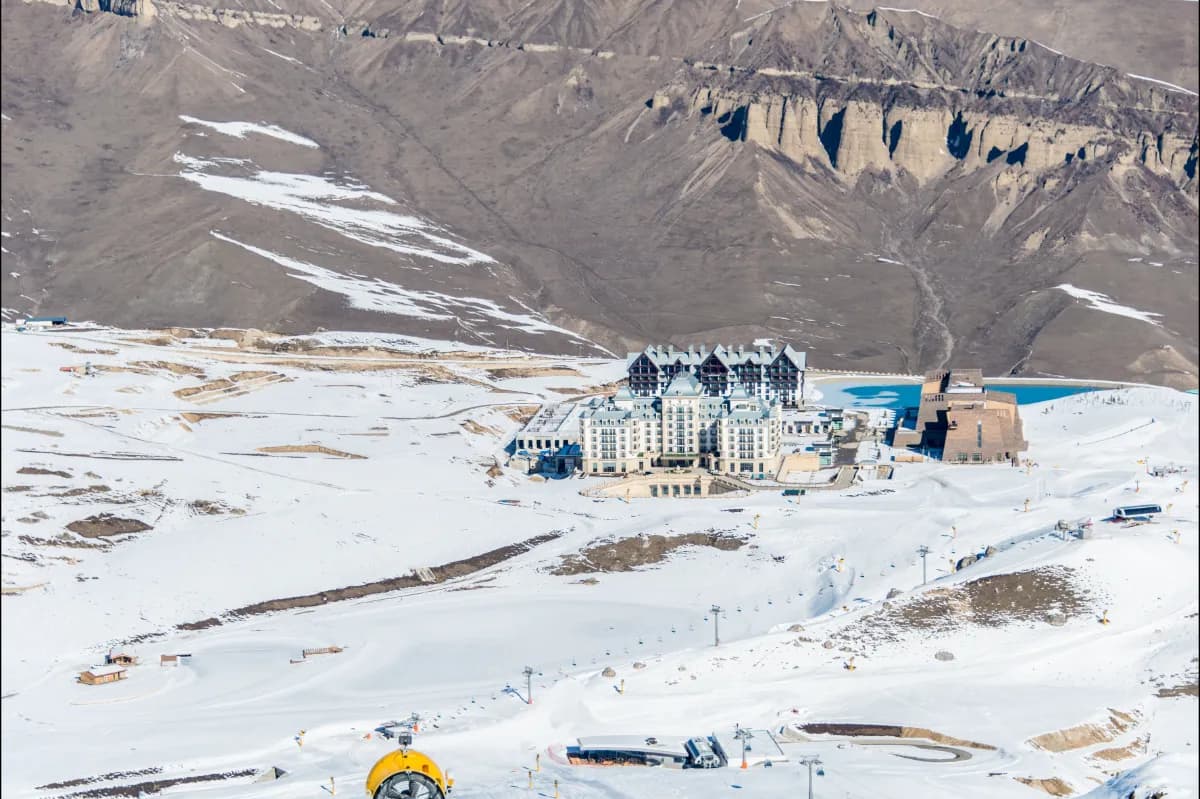
Azerbaijan's geography works against anyone who treats it as one destination. Baku on the Caspian coast, Sheki in the foothills, Shahdag in the mountains. These three places behave like different countries in the same month.
UAE travellers have a slight edge here. The heat does not scare them the way it scares European visitors. But Baku's July humidity hits differently from Dubai's dry heat, and that distinction matters when you are deciding whether to push the trip to June or hold out for September.
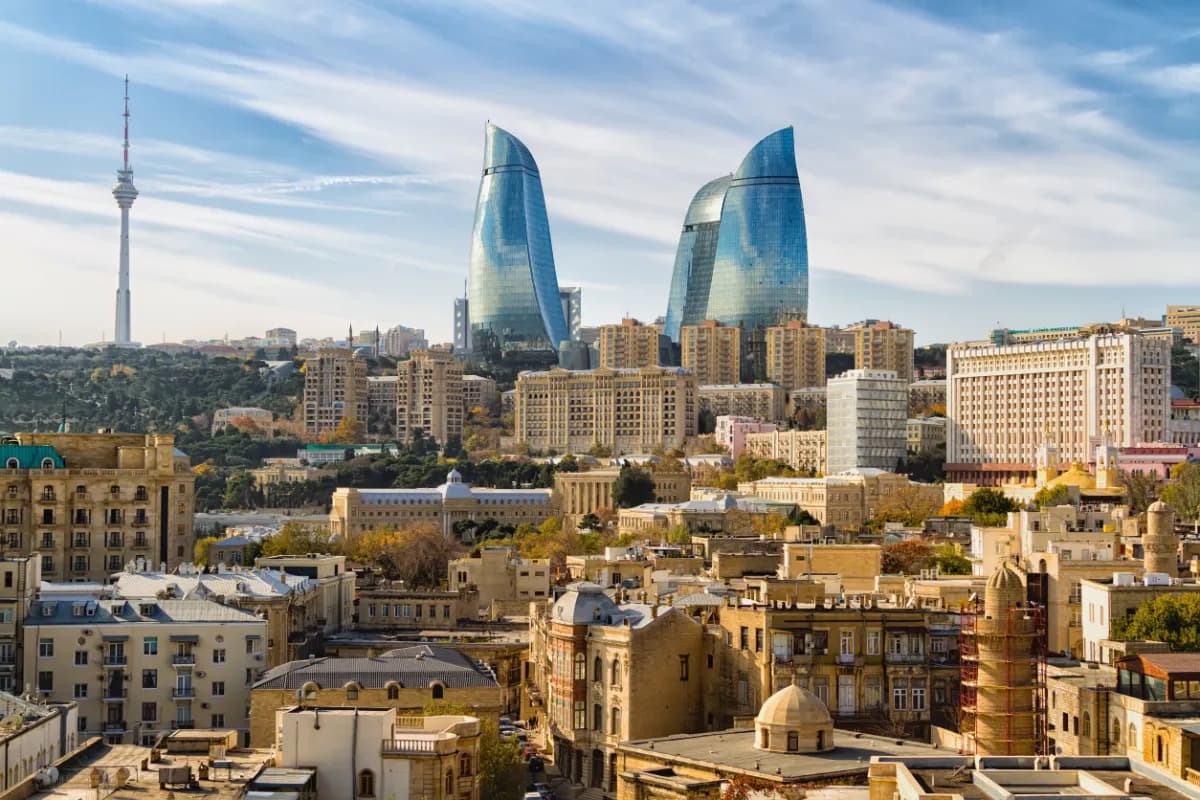
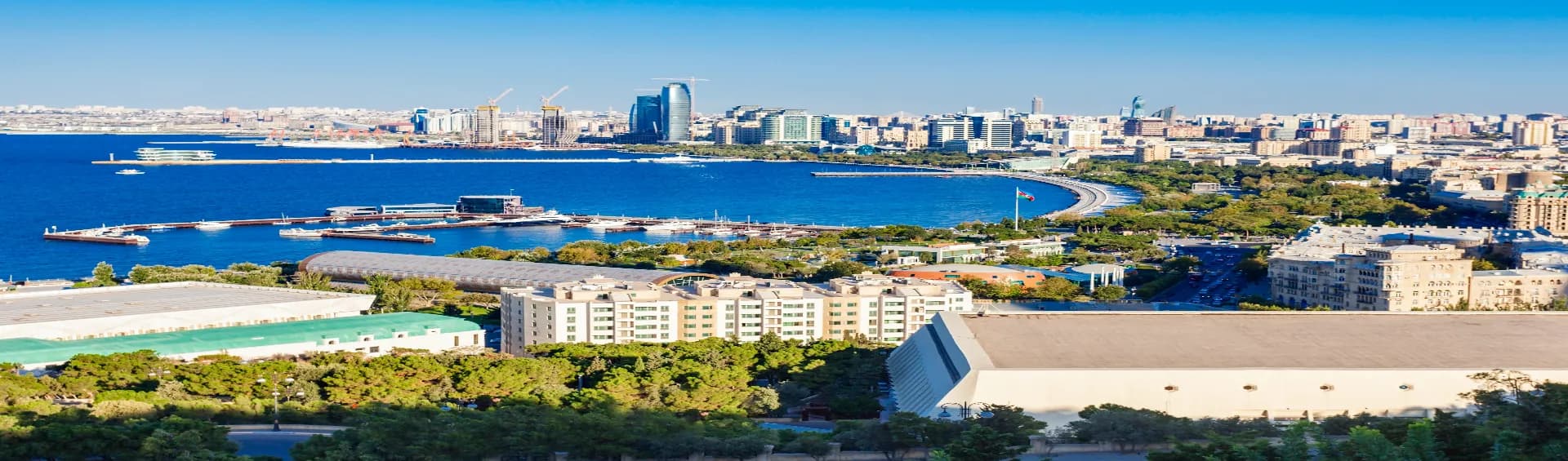
April is part of the Azerbaijan best time to visit conversation for a reason. Baku stays between 4°C and 22°C, which makes walking around genuinely comfortable. Light rain happens occasionally, but not enough to ruin plans. The old city walls look especially good in the soft morning light, and by late April, the boulevard gardens and parks feel fully alive again.
Azerbaijan's New Year falls around March 20 and 21. Bonfires in the streets, pakhlava stalls everywhere, traditional music coming out of courtyards in the Old City. No other time of year puts you inside the culture the way Nowruz does. Book six weeks early. The decent hotels sell out fast, and the ones that do not are usually priced that way for a reason.
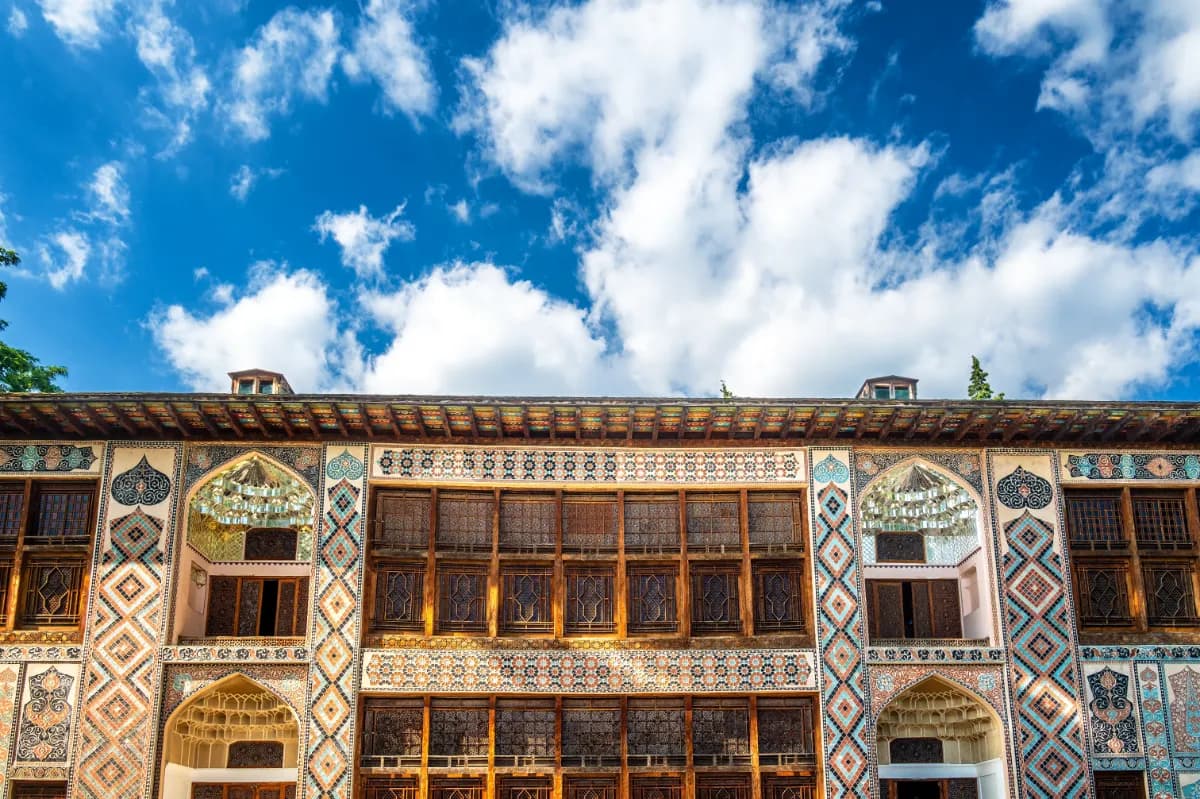
Baku Old City, Sheki for the Khan's Palace, and the village of Lahij for carpet weaving. Mountain roads to Lahij are clear by April, which is not guaranteed in March.
June is fine. July and August push into 19°C to 32°C with Caspian humidity layered on top. The beach areas at Bilgah and Nardaran are enjoyable if that is the plan. But walking the Old City for four hours in August is a different calculation entirely.
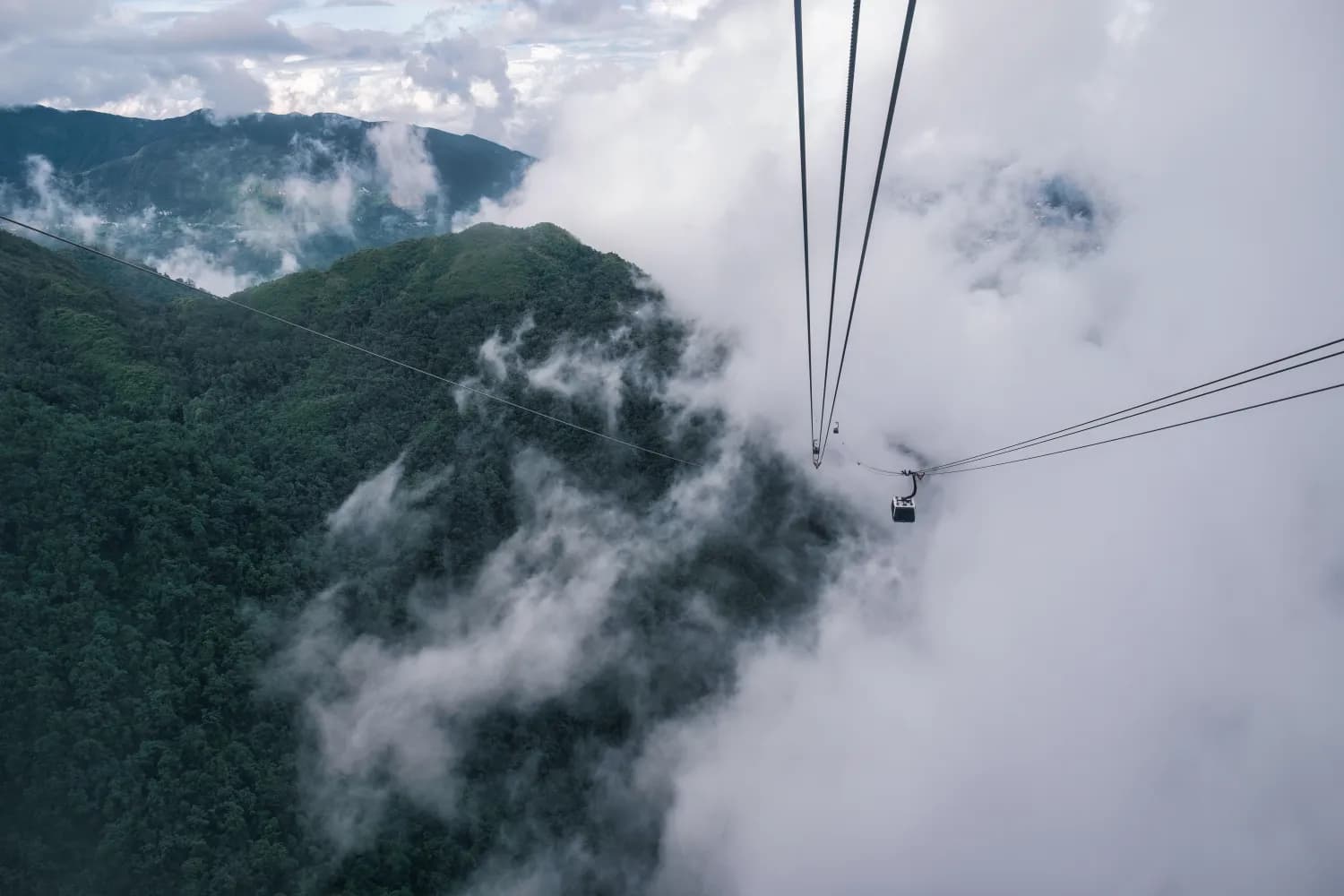
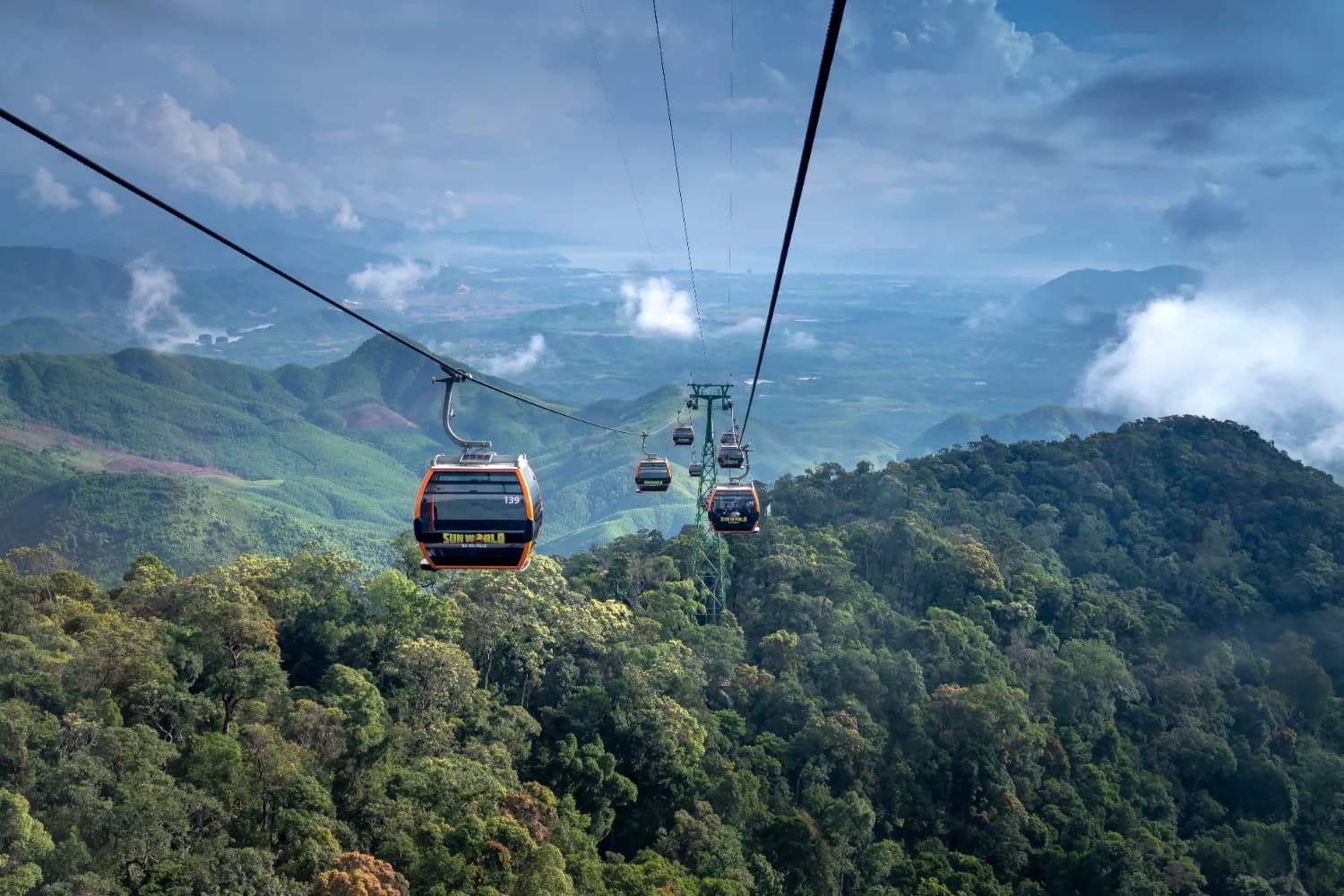
Gabala sits about 220 kilometres from Baku and stays 10 to 12 degrees cooler during summer, which is why many travellers consider it the best time to visit Azerbaijan for mountain weather and outdoor activities. The Tufandag cable car views genuinely rival expensive European destinations at a fraction of the cost. Families usually arrive here and immediately wonder why Azerbaijan is still so underrated.
Peak season pushes Baku hotel rates up 25 to 40 per cent compared to autumn. Russian and CIS tourists fill the coastal resorts through July and August. Late May hits the sweet spot: good weather, pre-peak pricing, fewer crowds.
Temperatures settle at 18°C to 15°C in Baku. Crowds drop noticeably after mid-September. Hotel rates slide back to shoulder pricing. The light across the Old City Baku in October is specifically the kind that makes photographers book return trips.
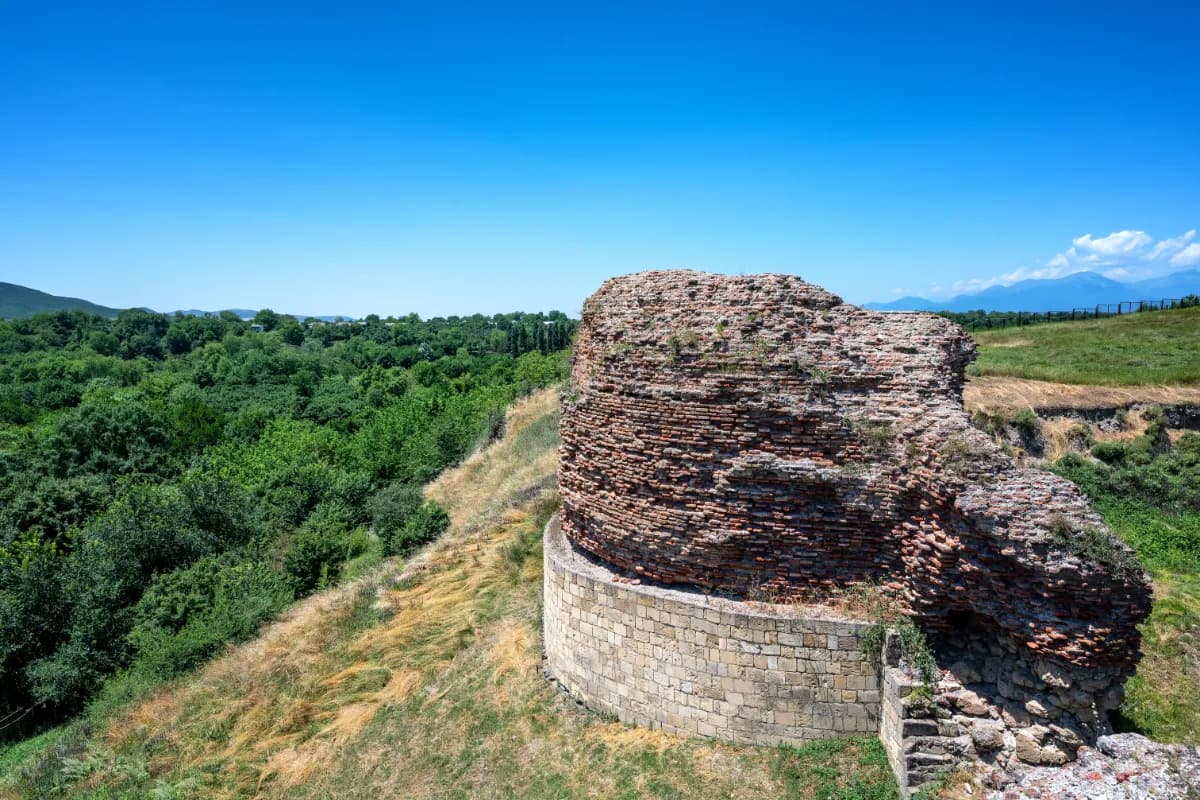
The Sheki Walnut Festival draws locals far more than tourists, which is the point. The town itself, with its 18th-century caravanserai and hand-painted glass windows, is the most beautiful place in Azerbaijan that most outsiders have never heard of. Add a stop at the Savalan wine region nearby, and the itinerary writes itself.
The trails around Lahij, Xinaliq, and the Ilisu Nature Reserve peak in September and October. Xinaliq, one of Europe's highest continuously inhabited villages, stays road-accessible through October before winter shuts some routes down.
Runs open from December through March, which is also considered the best time to visit Azerbaijan for snow lovers. It is not a massive European ski resort, but for a first ski trip or a quick winter escape from the UAE, it works surprisingly well. Lift passes are far cheaper than European resorts, and the village stays feel comfortable without ridiculous tourist pricing.
December temperatures range from 3°C to 8°C. The Old City loses the tourist queues entirely. Fountain Square has New Year's lighting that genuinely warms the atmosphere. Restaurant tables are easier to get. Service slows down from rushed to actually attentive. Some travellers prefer Baku in winter specifically for this reason.
October is the best month to visit Azerbaijan. Comfortable temperatures around 20°C, reduced crowds, lower hotel rates, and the Sheki Walnut Festival all fall in the same window. April is the strongest spring alternative.
Yes. Shahdag offers real skiing from December through March. Baku in winter has lower prices, no queues, and a quieter atmosphere that regular visitors often prefer to peak season.
Baku sees most rainfall between October and March, though rarely in heavy bursts. The Lankaran region in the south gets more consistent rain year-round due to its subtropical position.
Yes. UAE citizens enter visa-free. English works across hotels, airports, and main tourist areas. Both Baku and the major regional towns have reliable infrastructure and low incidents involving foreign visitors.
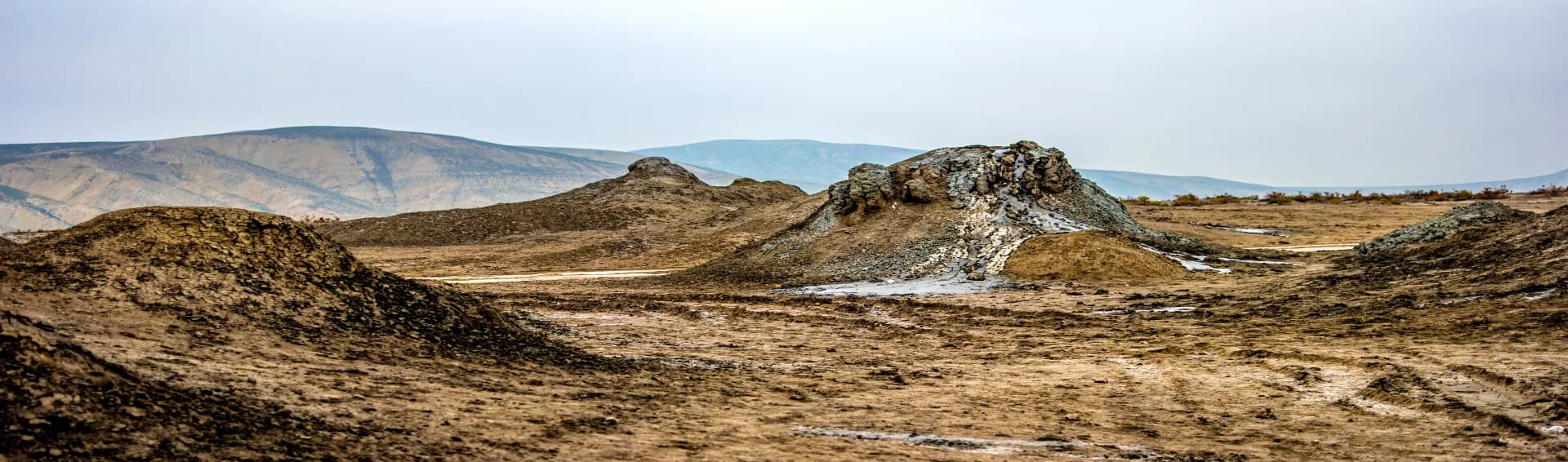
Five to seven days covers Baku, Gobustan, and an overnight in Sheki. Ten days adds Gabala, the wine region, and a mountain village, without the itinerary feeling compressed.
June 1, 2026
February 16, 2026
February 16, 2026
June 4, 2026
June 3, 2026