
 9 Minutes
Planning a trip to Azerbaijan? The first thing you need to know is that Azerbaijan weather changes a lot depending on where you are and when you go. Baku on the coast feels very different from the cold mountains in the north. One part of the country can be warm and dry while another is covered in snow. Knowing this before you book Azerbaijan tour packages saves a lot of trouble.
The best time to visit Azerbaijan is April to June or September to October. The weather is warm but not too hot. There is very little rain. Roads are open, festivals are on, and getting around is easy. These months work well for almost every type of traveller.
AED 1,849
per person
AED 1,899
per person
AED 1,799
per person
The Azerbaijan climate is dry for most of the year. Summers get very hot, especially in July and August. Winters are cold, with heavy snow in the mountains. If you want a smooth, comfortable trip, avoid these two extremes and plan your visit in spring or autumn.
Baku is one of the windiest cities in the world. There is a cold north wind called the khazri that blows hard in winter and spring. It does not snow much in Baku, but this wind makes it feel much colder than it looks on a thermometer. Visitors often get caught off guard by it.
The weather in Baku is dry almost all year. October and November are the wettest months, but even then, rain is not heavy. What most people do not expect is the summer heat. July and August can reach 30°C or more in the city. Going out early in the morning or late in the evening works much better than midday in peak summer.
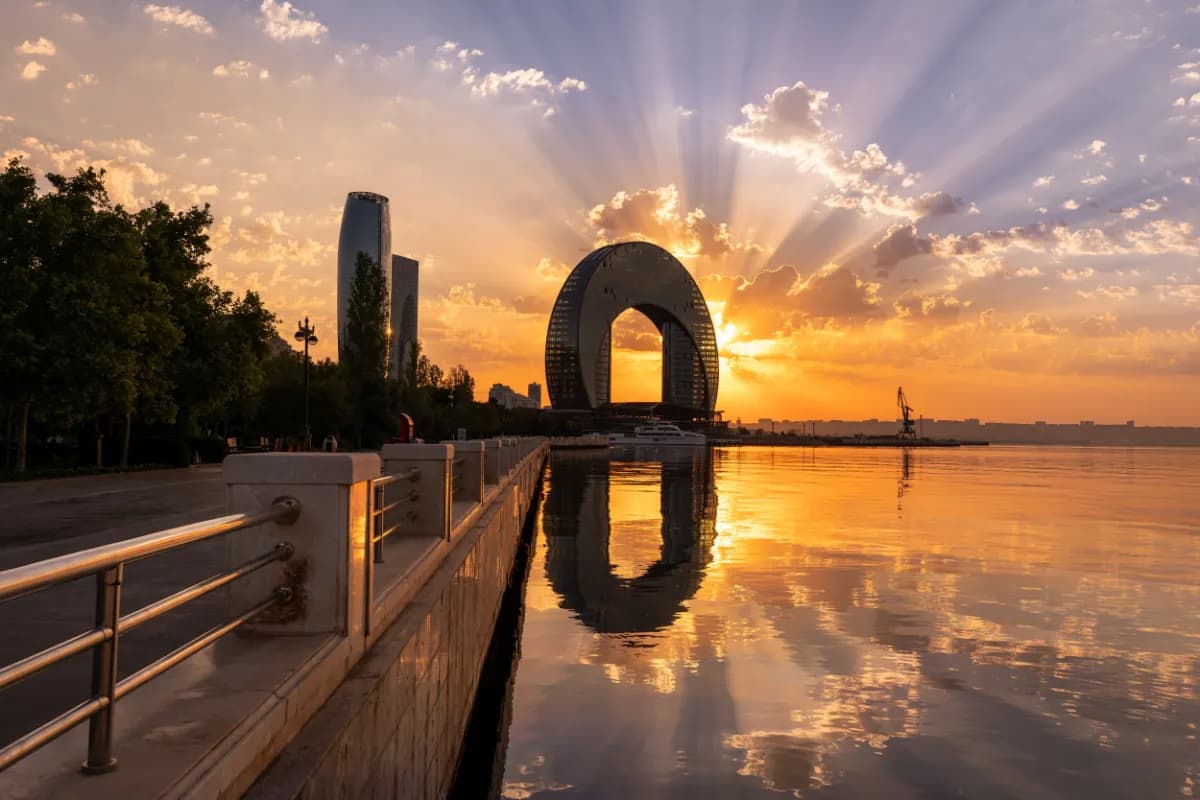
April, May, September, and October are the best months to be in Baku. It is warm, the wind is calm, and the city feels alive. The Baku Flower Festival happens on 10 May every year. September brings cooler air and fewer crowds. Both seasons are great for walking around the old city and exploring nearby areas.
The Azerbaijan weather in June is warm and mostly dry, making it one of the better months to be in Baku before the real heat kicks in. July and August are a different story. The old city walls hold in the heat, so afternoons become uncomfortable fast. If you are visiting in these months, go out early, rest during the afternoon, and head back out in the evening. The Caspian Sea is close and helps a little, but the city heat is real.
Baku in winter is cold and windy. Snow is rare in the city itself, but the khazri wind cuts right through. The good news is that Baku has great indoor places: old hammams, tea houses, local restaurants, and covered markets. Winter is also the cheapest time to visit, with lower hotel prices and very few tourists.
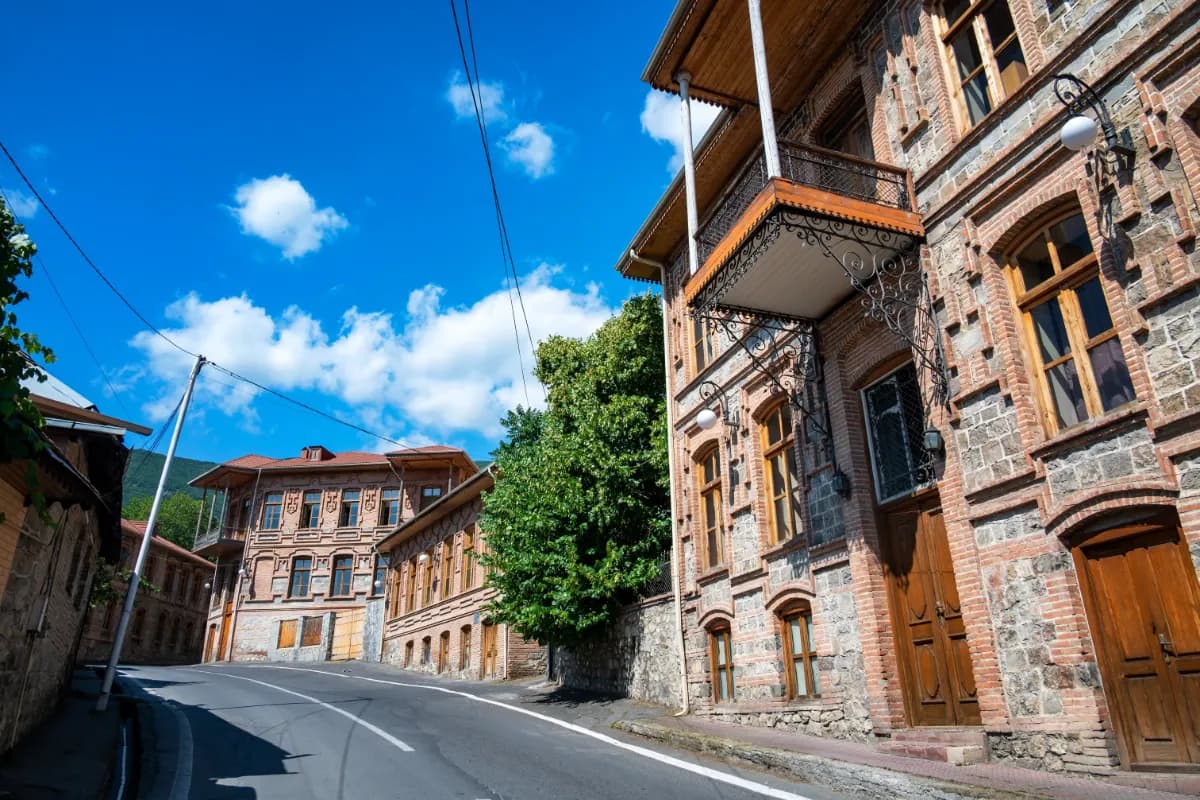
Here is a simple breakdown of the Azerbaijan temperature, rain, and crowd levels for each month. Use this to plan when to visit Azerbaijan based on what you want to do. The Azerbaijan weather in July is the hottest point of the year, so keep that in mind when picking your dates.
Azerbaijan weather by month tells one part of the story. But the region you visit also changes everything. Azerbaijan is a small country with a big range of weather types. The coast, the mountains, and the south all feel completely different from each other.
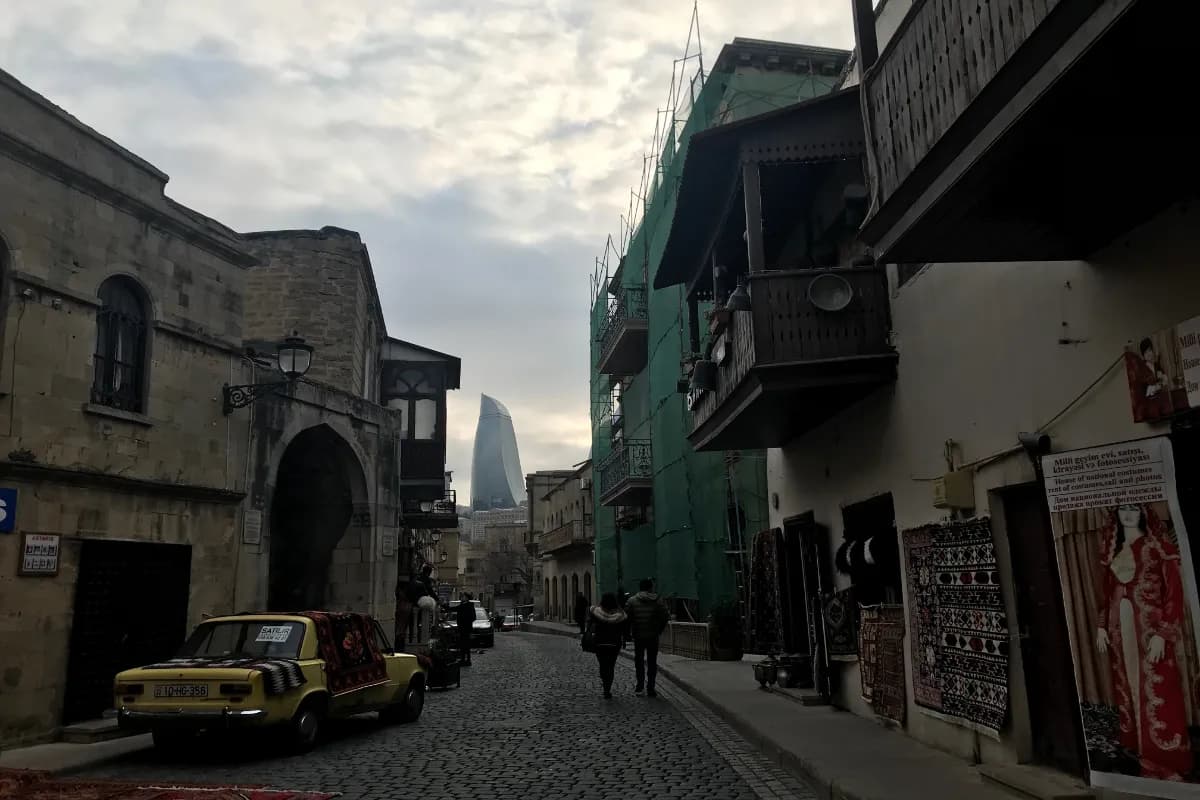
Dry and windy. Rain is low all year. Summer gets hot, and winter gets cold and breezy. The best time to visit Baku is April to June or September to October. These months give you warm days without the wind chill or the summer heat.
Places like Gabala, Sheki, and Shahdag sit in or near the mountains. Winters here are cold and snowy, with temperatures dropping to -20°C in some spots. But summers are cool and fresh, which makes northern Azerbaijan a popular escape when the Azerbaijan weather in summer gets too hot in Baku. Hiking between May and September is very good here.
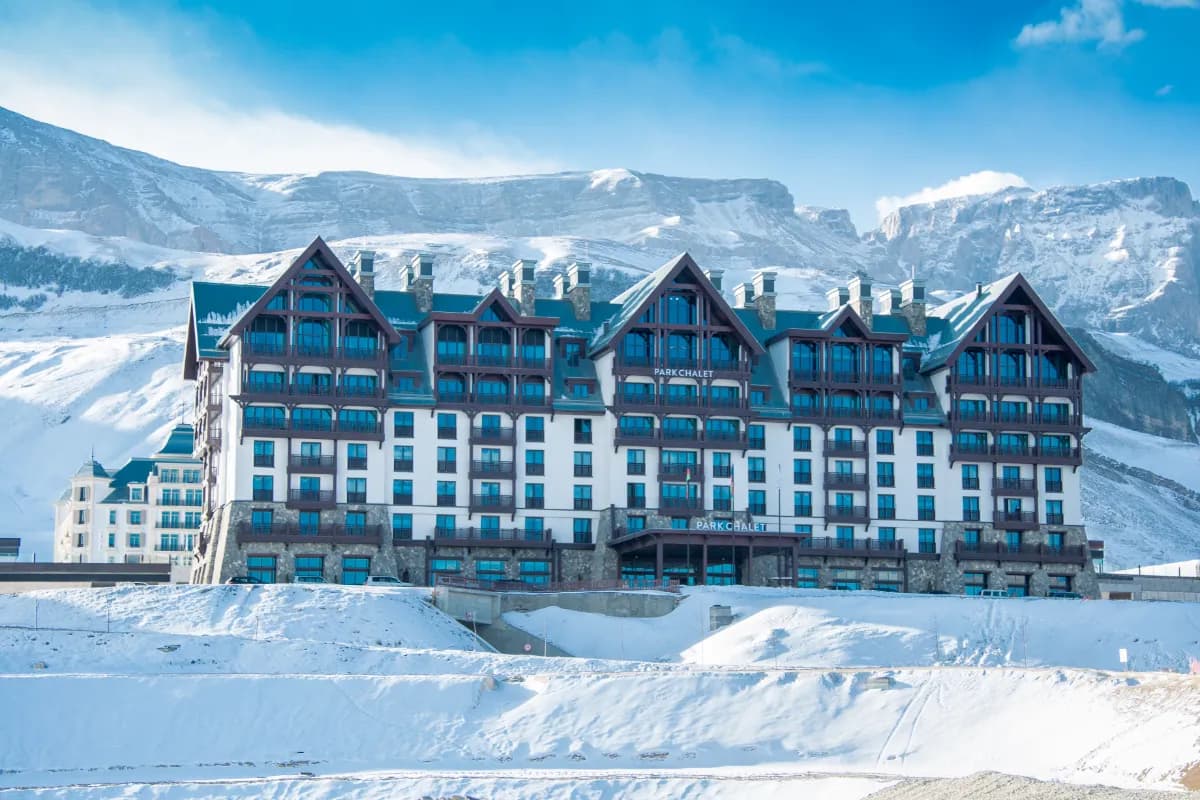
Lankaran is green and gets more rain than the rest of the country. It has a warmer, wetter feel compared to Baku. Spring and autumn are the best times to go. It is a quieter part of the country that most tourists skip, but it shows a very different side of Azerbaijan.
Timing your trip with a local festival makes the whole experience better. Here are the ones worth knowing about.
This is the biggest celebration in Azerbaijan. It marks the Persian New Year and the start of spring. There is music, dancing, food, and family gatherings all over the country. Note that many shops and smaller restaurants close between 19 and 22 March, so plan your meals.
Every 10 May, Baku fills up with flowers from all over the world. There are flower displays, live shows, and a great atmosphere in the city. The Baku weather in May is also at its best, which makes this one of the easiest festivals to enjoy.
Every summer, the mountain town of Gabala hosts a big music event with classical, jazz, and local mugham performances. Because it is in the mountains, the Azerbaijan weather in summer here is cooler than in Baku. A great reason to head north in July or August.
Two good ones: the Apple Festival in Quba and the Nar Bayrami pomegranate festival in Goychay. The pomegranate festival is on UNESCO's cultural heritage list. Both happen during the best travel months, so they fit easily into any autumn trip.
April to June and September to October are the best times. May and September are the top picks for most travellers. The weather is warm, rain is low, and festivals are happening.
October and November get the most rain, around 31mm each. But Azerbaijan is a dry country overall. Rain is not a big problem for most of the year.
The Azerbaijan weather in August and July is the hottest of the year. Baku can reach 30°C and inland areas can push up to 40°C. The mountain areas in the north stay much cooler and are a better option if you are visiting during those months.
Baku drops to around 5°C to 7°C in January. Mountain areas can fall to -20°C. The wind in Baku makes it feel colder than it looks.
Spring and autumn: bring layers, a light jacket, and comfortable shoes. Summer: light clothes for the city and a warmer layer for mountain evenings. Winter: a thick, windproof coat and warm shoes are needed, especially if you are going to the mountains.

May 27, 2026

February 16, 2026
February 16, 2026

June 4, 2026
June 3, 2026