
 9 Minutes
Talking to someone who just got back from Yerevan in August versus someone who went in October, you would think they visited two completely different countries. That is not an exaggeration. Armenia weather does not do subtle seasonal shifts. It goes full continental, scorching summers, proper winters, and two golden windows in between that most people either hit perfectly or miss entirely.
So if you are trying to plan a trip without wasting money on a week that turns out to be 38°C with no shade, or ankle-deep snow in mountain roads you had plans for, keep reading. Most Armenia tour packages are designed around May or late September, and there is a solid reason for that. The other months are not off-limits. They just come with conditions worth knowing upfront.
AED 1,849
per person
AED 1,899
per person
AED 1,799
per person
A quick read through this guide and you will know exactly which month suits your travel style. No fluff, just what each month actually feels like on the ground.
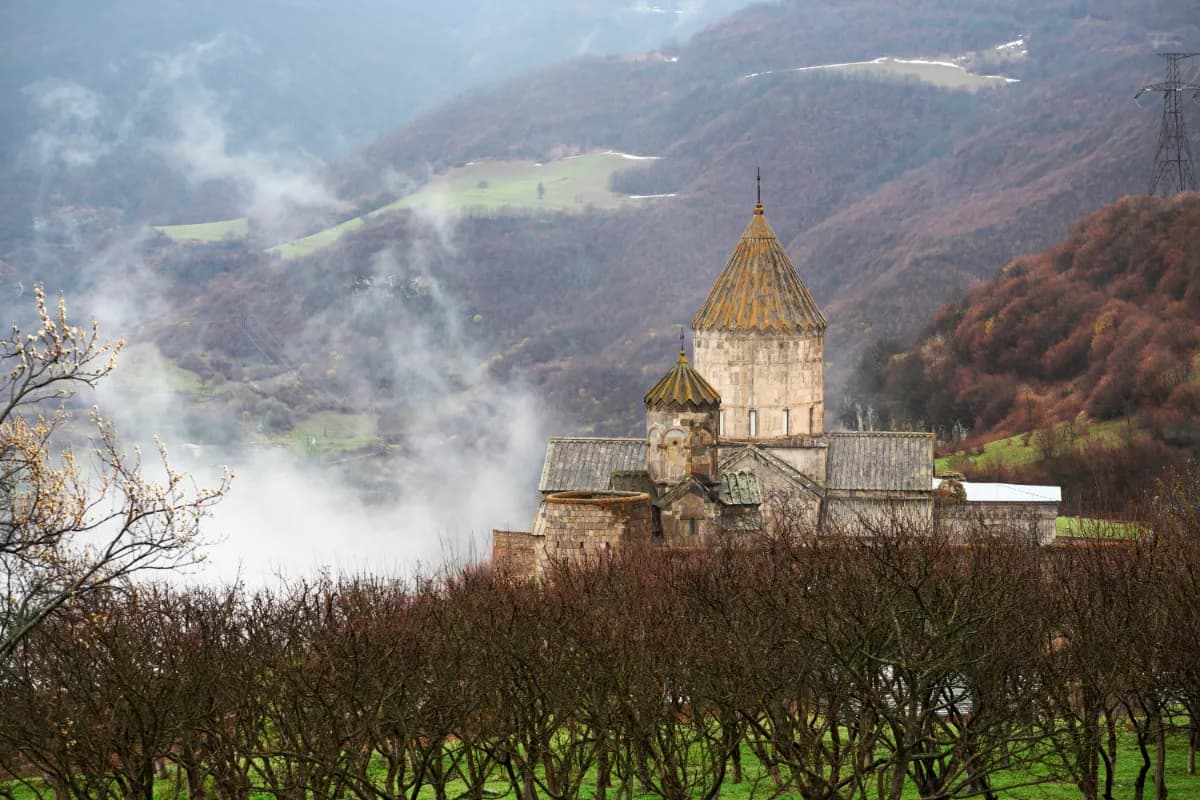
Spring in Armenia is genuinely lovely, but here is what most guides skip: it is also short. Very short. By late May, the heat is already building in Yerevan. So if spring is what you are after, timing your arrival right matters more than people think.
Cold. That is the honest one-word answer for March. Yerevan sits between 3°C and 12°C most of the month, and nights drop further. The mountains have not let go of winter yet, and roads leading up to places like Tatev or Noravank can be icy or outright blocked early in the month.
But here is what makes March work for the right kind of traveller: the city is yours. No tour groups queuing at Cascade. Cafes are unhurried. Prices at hotels are noticeably lower. If your plan is Yerevan and nearby sites rather than mountain monasteries, March is worth considering.
Travel tip: Layers are non-negotiable. You can hit 12°C at noon and 2°C by 8 PM on the same day.
April is when Armenia starts looking like the photos. Apricot trees bloom across the Ararat Valley, the hills go green fast, and temperatures in Yerevan climb to a comfortable 16°C to 20°C during the day. It is genuinely one of the prettier months to be here.
Rain is the catch. April is the wettest month of the year, and showers can roll in without much warning. Not all-day downpours usually, more like sharp afternoon bursts. Pack accordingly. Lake Sevan becomes accessible this month, and the whole north of the country opens up after winter.
Travel tip: Orthodox Easter sometimes falls in April. Book accommodation a few weeks early if your dates overlap, because domestic travel spikes hard around that period.
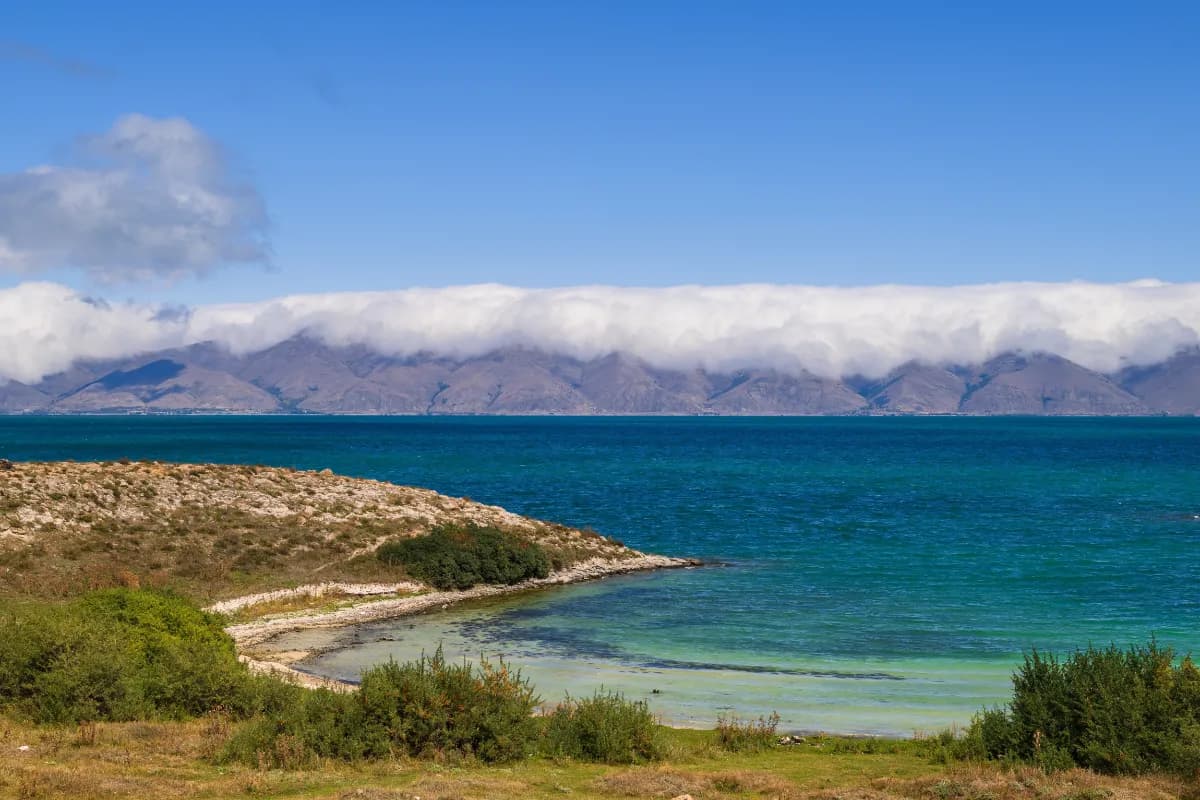
Honestly, May might be the best month in the entire calendar. Armenia weather in the month hits that rare sweet spot: warm days around 22°C to 25°C, cool evenings, mountain passes open, hiking trails fully accessible, and tourist numbers still manageable before summer peaks. Dilijan National Park is extraordinary this time of year.
Rainfall is tapering off but not gone. A few showers here and there, nothing disruptive. Late May visitors also catch the run-up to Yerevan Wine Days in early June, which adds a festive energy to the capital in the final week.
Travel tip: If you can only visit once, May is the month. Combine a few days in Yerevan with Garni, Geghard, and a drive through the Debed Canyon. You will not regret it.
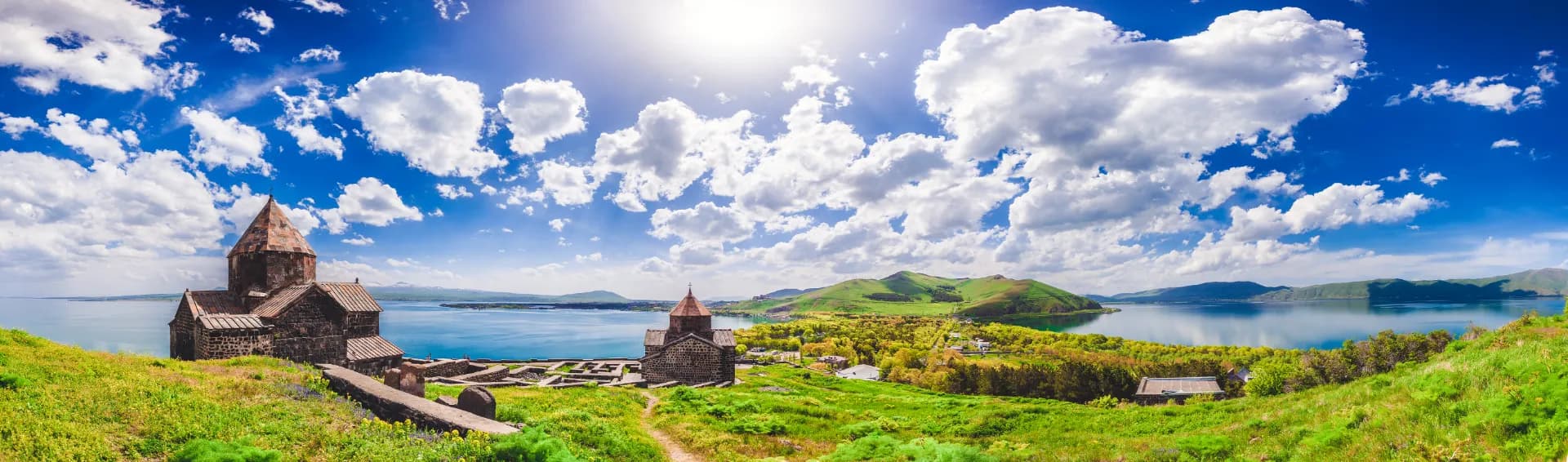
Depends on where you go. Yerevan in July at noon? Genuinely brutal. Lake Sevan in July? Perfectly fine. Summer in Armenia rewards travellers who plan geographically, not just chronologically.
Armenia weather in June is the transition point. Yerevan warms up to 27°C to 30°C, and the heat builds steadily through the month. Rainfall falls off sharply compared to May. Down in the city, midday gets uncomfortable fast, especially around the open plazas and stone-paved historical sites.
Go up instead. Lake Sevan, Dilijan, and Jermuk all sit at higher altitudes and stay noticeably cooler. The Yerevan Wine Days festival usually kicks off in early June, which brings great street energy to the capital if you time it around it.
Travel tip: Do your outdoor sightseeing before 10 AM. Seriously. By noon, the basalt surfaces at places like Geghard heat up to a point where you are rushing rather than exploring.
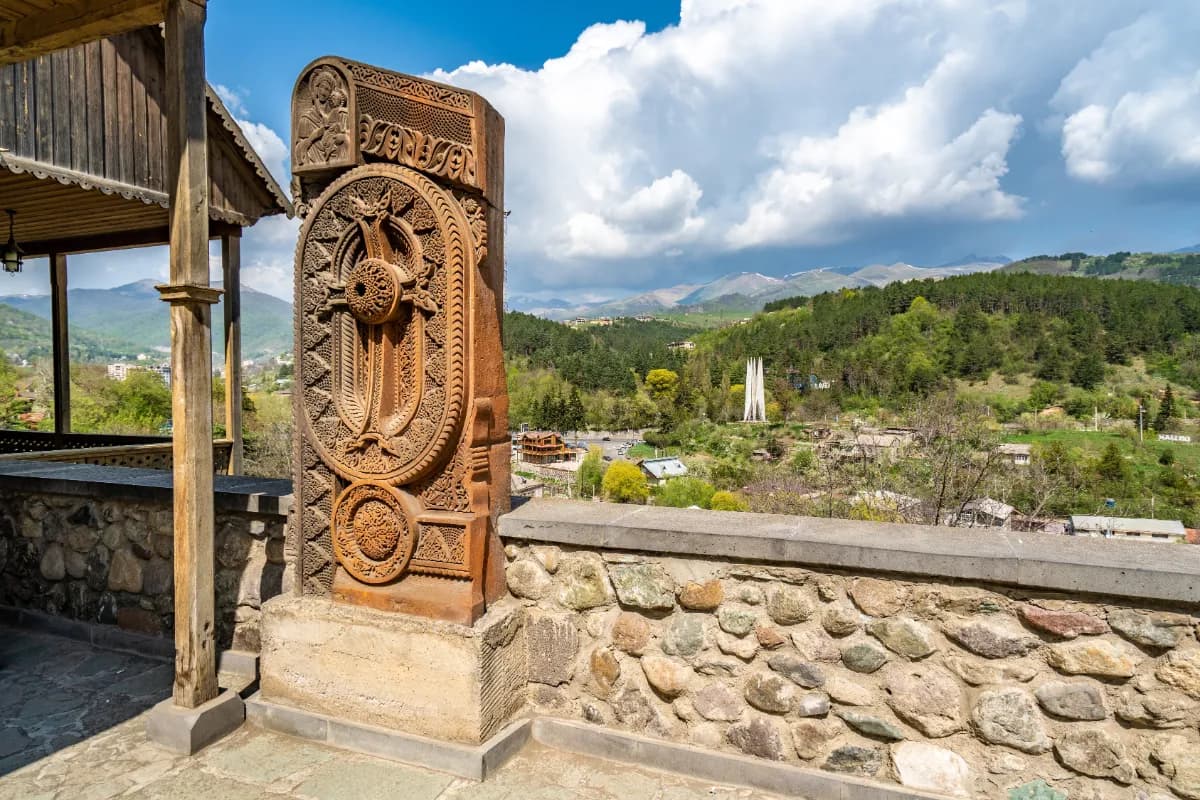
July weather in Armenia is no joke. Yerevan averages 32°C to 35°C, and parts of the Ararat Valley push close to 40°C on bad days. The city has 353 hours of sunshine in July alone. It does not rain. At all. Everything is bright and dry and relentless.
Now, for hikers and trekkers? July is actually ideal. Trails in the Gegham Mountains and the high routes near Lake Arpi are fully clear. The days are long. The weather is stable. Gyumri runs cooler than Yerevan. So it is not a write-off, just not the month for wandering the capital at leisure.
Travel tip: If July is your only option, base yourself at altitude. Tsaghkadzor, Dilijan, or anywhere above 1,800 metres will feel like a different country compared to Yerevan.
Armenia weather in August stays hot through the first half, then the evenings start to soften slightly by late month. Highs in Yerevan sit around 31°C to 33°C. Tourist numbers are actually lower than in July, which means better availability and marginally lower prices at popular sites.
The big draw in August is the beginning of grape harvest season across the wine regions. In Areni, Vayots Dzor, the vineyards are active, and some are open for visits. If wine tourism is part of the plan, late August into early October is the window.
Travel tip: The Symphony of Stones at Garni Gorge is best in early morning August light. Go before 8 AM if you can manage it.
Ask people who have been to Armenia more than once, and a good number will say autumn beats spring. The colours are better, the food is at its peak, the festival calendar is packed, and the heat is finally gone. Hard to argue with that.
Early September still carries summer's leftovers, around 27°C to 30°C in Yerevan. But by the middle of the month, something shifts. Temperatures drop into the low-to-mid 20s, a breeze comes in, and the whole atmosphere of the country changes. Grape harvest is in full swing. The Areni Wine Festival is being prepared for early October.
Roads to every monastery and highland are open. Crowds from summer have thinned. It stays mostly dry. September is, genuinely, one of the most underrated months in the Armenia travel calendar.
Travel tip: Aim to arrive by mid-September rather than early if possible. The first two weeks still carry residual summer heat that makes sightseeing tiring.
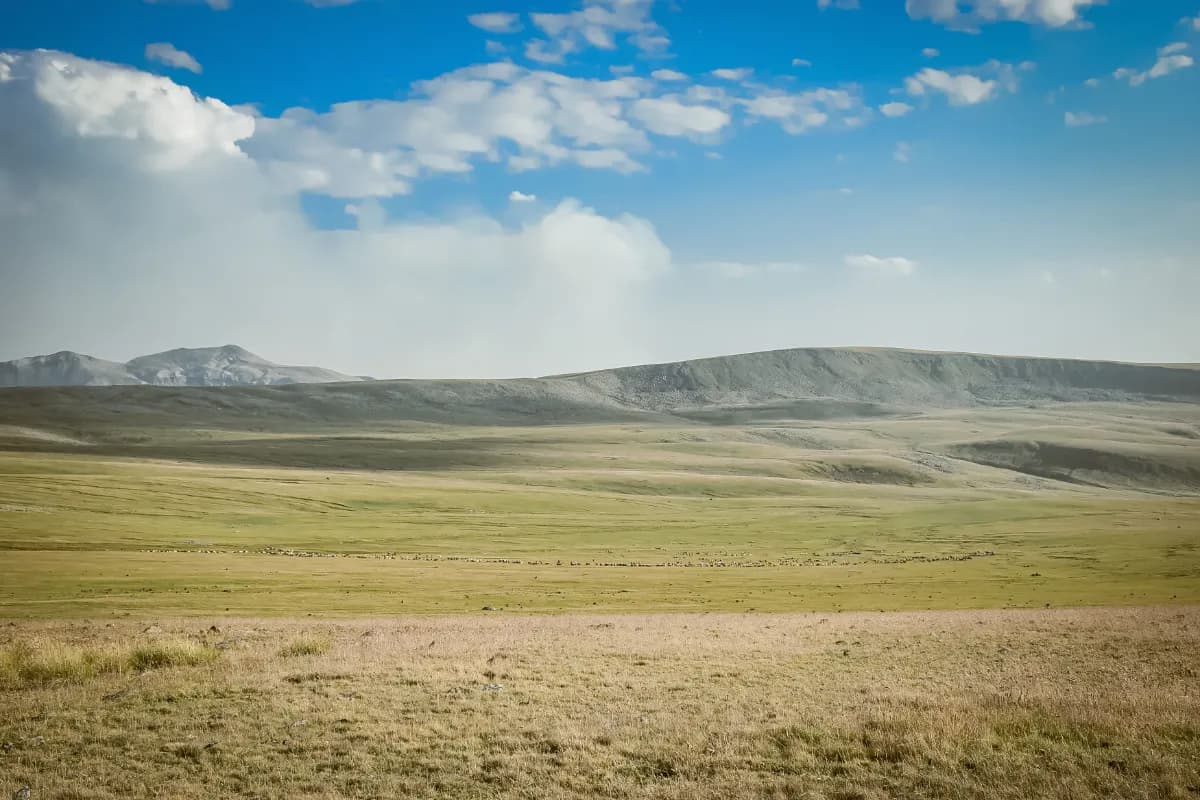
October in Armenia has a quality to it that is difficult to describe without sounding over the top. But the colours across Dilijan in mid-October, the amber and red across the Lori region, the afternoon light over the Ararat Valley on a clear day, it is a lot. Temperatures settle between 14°C and 20°C, which is ideal for walking, hiking, and long days outdoors.
The Areni Wine Festival falls in the first week of October. Roads to Tatev, Haghpat, and Sanahin are fully open. October is also when the country feels most authentically itself, harvest done, summer tourists gone, local life back to its rhythm.
Travel tip: Evenings cool down fast. A light jacket at lunch becomes a proper coat by dinner. Pack both.
November is the honest end of the good Armenia weather. Yerevan drops to 5°C to 10°C, rain increases in the north, and mountain roads start getting complicated again. Outdoor hiking is mostly off the table by mid-month.
But the city has a different kind of charm in November. Opera season is running, the cafes are warm and full of locals, hotel prices drop significantly, and there is zero tourist pressure anywhere. For a slow, culture-heavy trip focused on Yerevan, museums, and day trips to accessible sites, November works surprisingly well.
Travel tip: Stick to lower-altitude sites in November. The northern monasteries and mountain regions are best saved for another season.
Yes, genuinely, but you need to go in knowing it is cold and somewhat limited in scope. It is not a traditional sun-and-sightseeing trip. Think ski weekends, Christmas markets, cosy restaurants, and the kind of quiet that only comes to a city when the tourists have gone home.
Yerevan sits between -1°C and 5°C. Snow hits the mountains early and occasionally reaches the capital. Republic Square gets decorated, ice skating rinks open, and the city carries a genuine festive feel through the New Year. The Tsaghkadzor ski resort opens in December, compact but functional.
Travel tip: The last week of December in Yerevan is busy, and hotels fill fast. Book at least a month ahead if your dates land around the New Year.
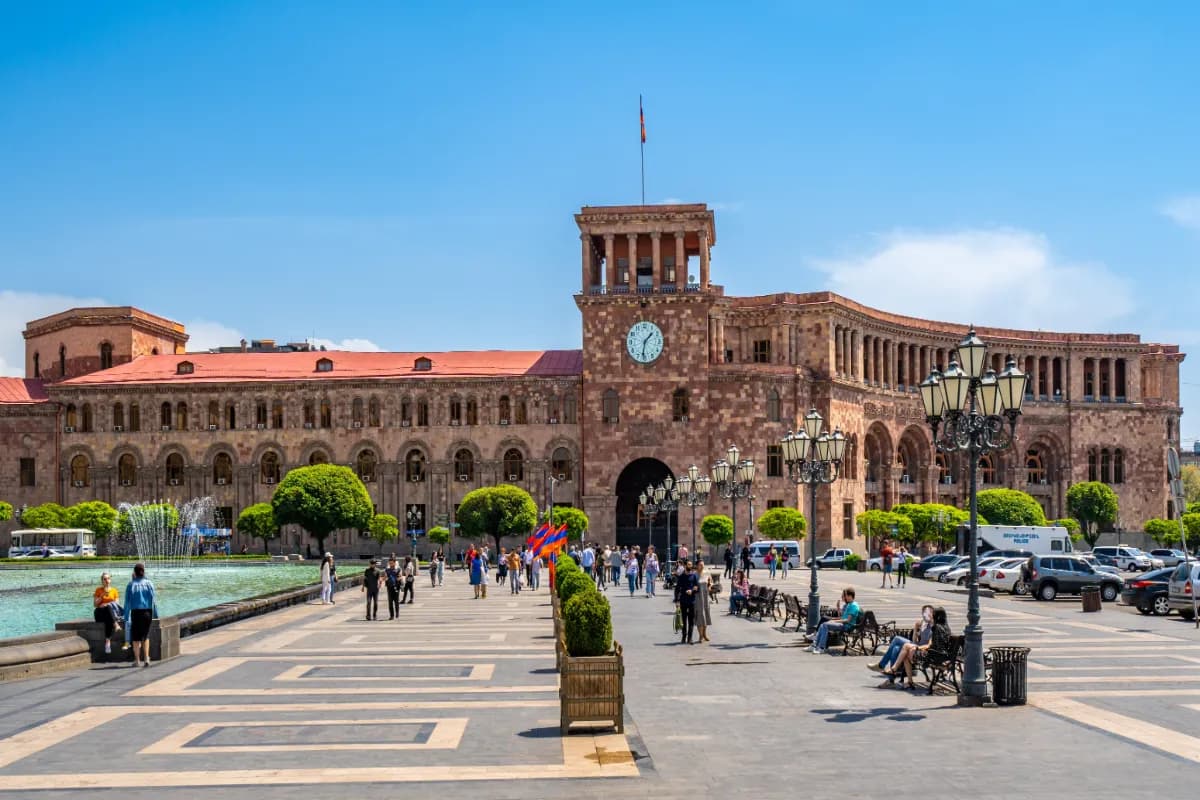
January is the toughest month. Yerevan averages -3°C to 2°C, mountain roads are icy, and several high-altitude sites are snowbound and closed. Skiing at Tsaghkadzor and Jermuk is the main draw. If winter sports are not on the agenda, January is genuinely hard to fill.
Travel tip: There is nothing wrong with a Yerevan-only January trip. The city has excellent food, great museums, and a lively enough restaurant and bar scene to keep you busy.
February is January with slightly less bite. Temperatures stay between -3°C and 3°C, ski resorts remain active, and by the final week, the faintest suggestion of spring arrives. The highlight is Trndez on 14 February, an Armenian Christian celebration where bonfires are lit in church courtyards, and couples jump over the flames for luck. Genuinely local, nothing like Valentine's Day.
Travel tip: If you visit in February, catch Trndez at a local church rather than a staged tourist version. The atmosphere is completely different.
Armenia weather covers both extremes. Summers hit 32°C to 35°C in Yerevan with almost no rainfall. Winters drop to -3°C in the capital and well below -10°C in mountain regions. It is a continental climate, so the difference between seasons is significant, not gradual.
Yes. Snow arrives in mountain areas from November and in Yerevan from December. Higher regions like Tsaghkadzor and Jermuk hold snow from late November through April. Mountain roads can become difficult or impassable between December and March, depending on elevation.
May and mid-September through October. Temperatures are comfortable, the landscape is at its most scenic, and the Areni Wine Festival falls within this window. Both seasons offer full road access to mountain monasteries without the heat of summer or the cold of winter.
January. Yerevan averages -3°C to 2°C, and mountain regions regularly fall below -10°C. Extreme cold snaps in areas like Vayots Dzor and Lori have recorded lows of -27°C to -30°C.
June 4, 2026
June 3, 2026
June 3, 2026

June 1, 2026
June 1, 2026