
 11 Minutes
Uzbekistan weather is a story of two extremes. Scorching summers that push past 40°C, winters that drop below freezing, and a narrow window in between where the country is genuinely perfect. Tashkent bakes in July. Samarkand freezes in January.
The desert around Bukhara is one of the most extreme landscapes in all of Central Asia. That is exactly why most Uzbekistan tour packages are built around the shoulder seasons, because a well-timed trip and a poorly timed one are two completely different experiences. Get it right and Uzbekistan is genuinely one of the most rewarding destinations in the region. Get it wrong, and you are spending your afternoons hiding from 40°C heat inside a teahouse, wondering where the trip went.
AED 3,199
per person
AED 2,999
per person
This is the real picture, month by month.
Yes. Uzbekistan in January is very cold, dry, and quiet. Snow covers Samarkand and Tashkent. Outdoor sightseeing becomes uncomfortable, and some mountain roads are closed completely. Budget travellers come for low prices, but first-timers often underestimate how harsh the chill gets.
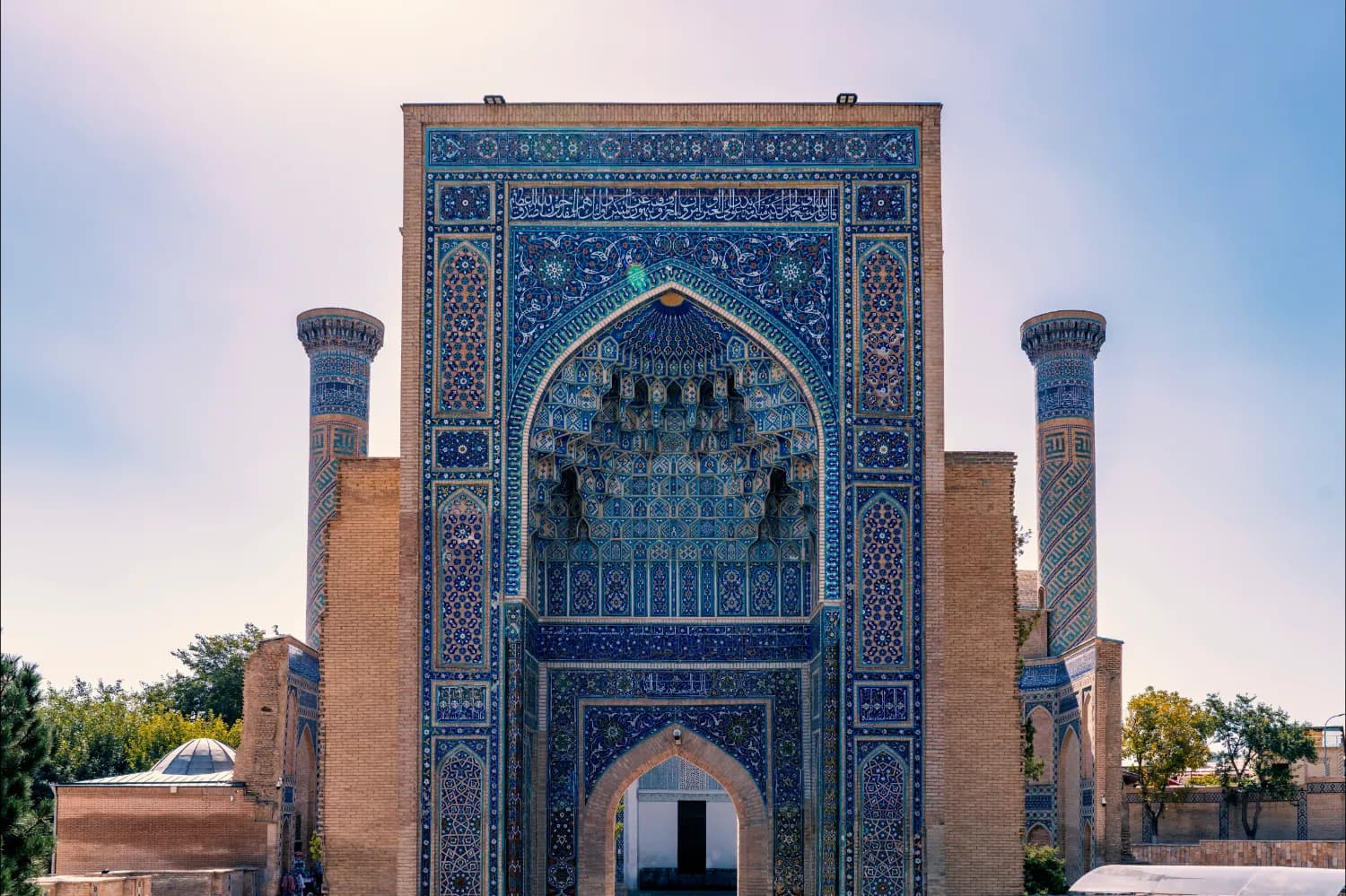
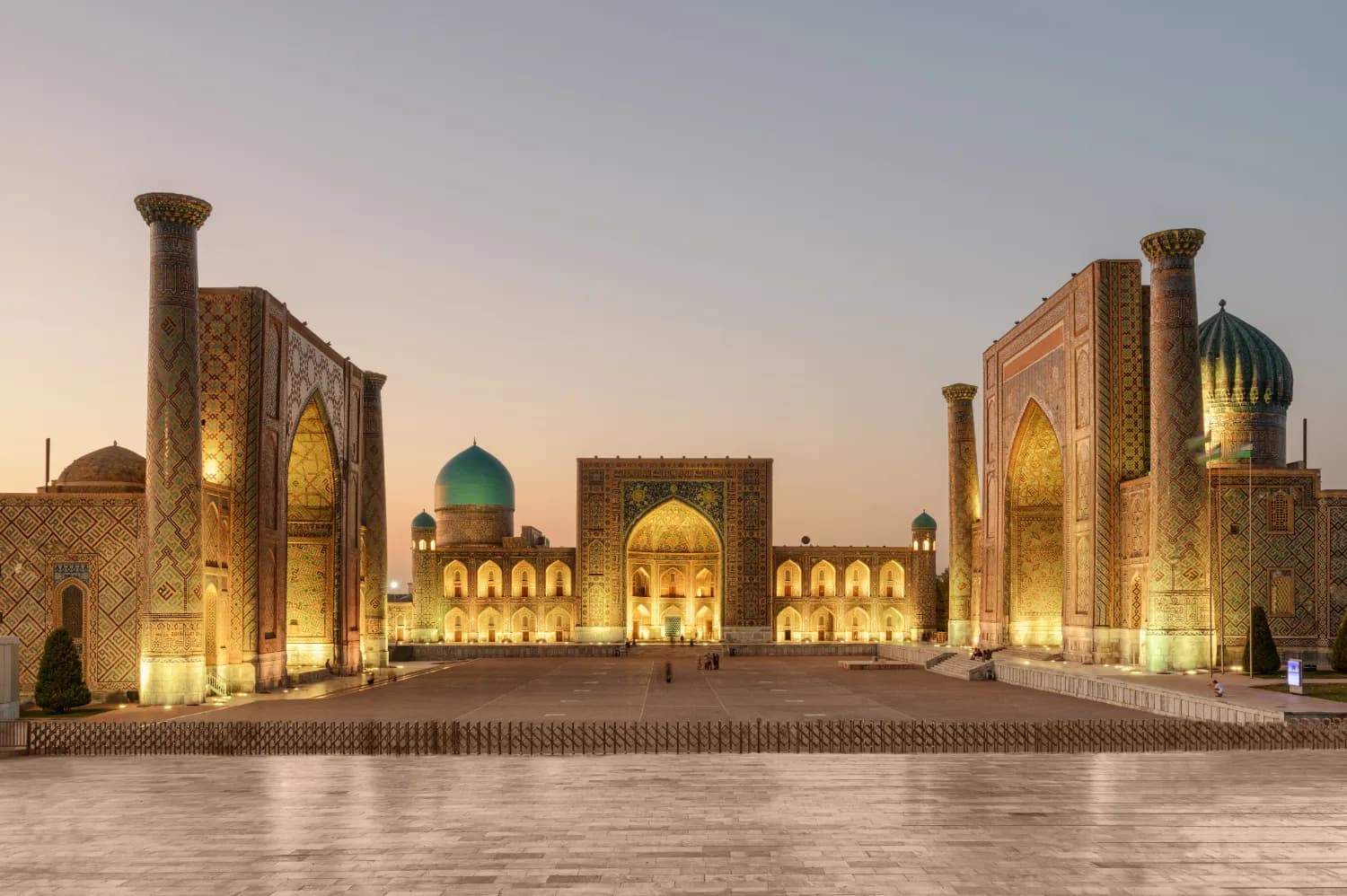
The ancient cities look genuinely beautiful under a dusting of snow. The Registan in Samarkand, with white domes against a grey winter sky, is a sight most tourists never see. But you will need proper winter gear. Scarves, thermal layers, waterproof boots. This is not the UAE winter cold. It is the real thing.
Yes, Uzbekistan weather is still cold, but the days start stretching slightly longer. Winds cut through the Registan in Samarkand harder than most people expect. Crowds are almost nonexistent, which sounds good until you realise half the outdoor teahouses are closed.
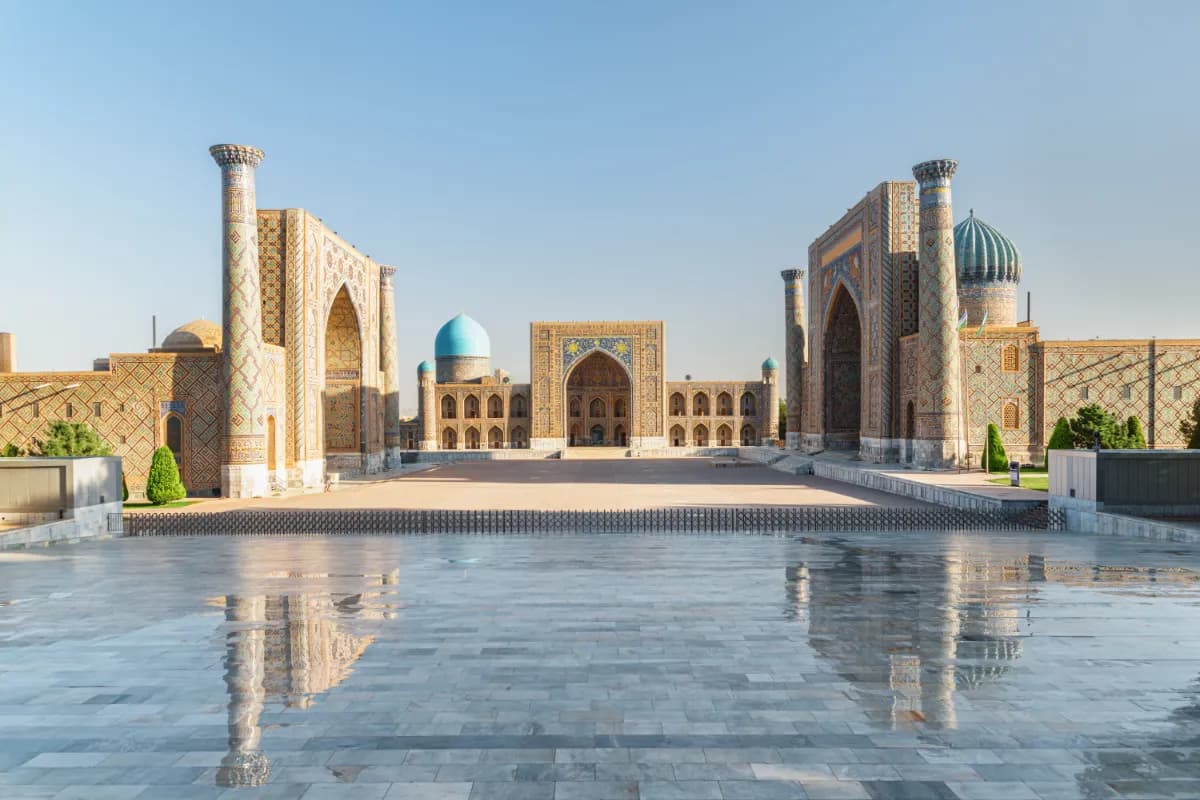
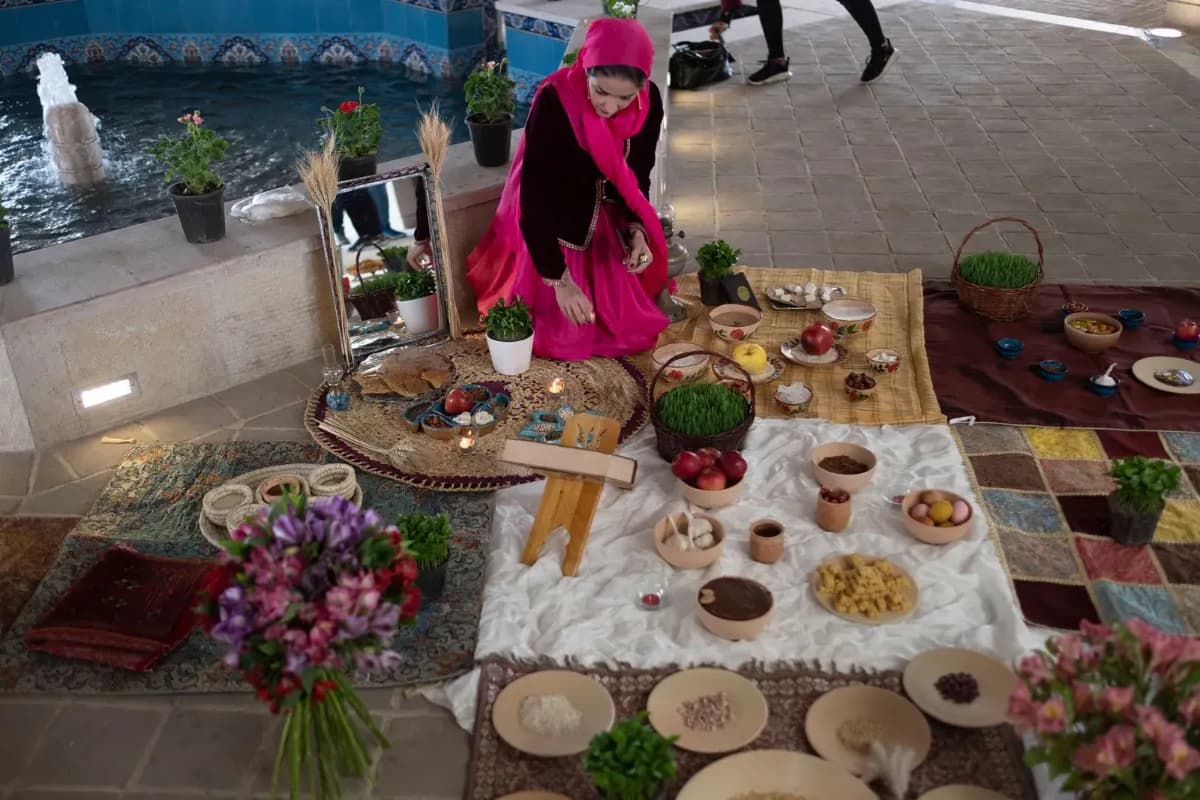
If your dates land around March 21, absolutely yes. The cold is still present but the country comes alive for Navruz. Almond trees start blooming across the Fergana Valley. Outside of the festival window, it is a mixed bag of warm afternoons and cold nights.
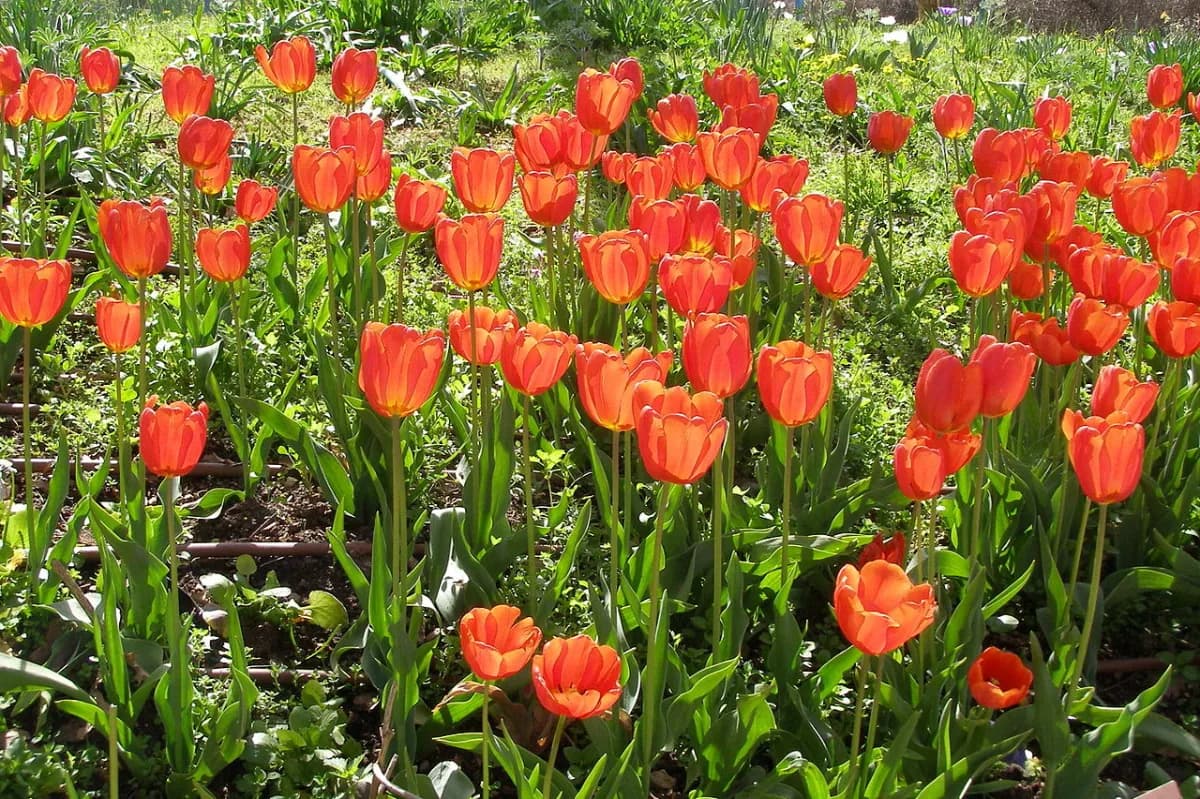
This is when the country properly wakes up. Green landscapes, clear skies, comfortable temperatures, and the ancient cities looking exactly like the photos that made you want to visit in the first place. Book accommodation early because everyone else has the same idea.
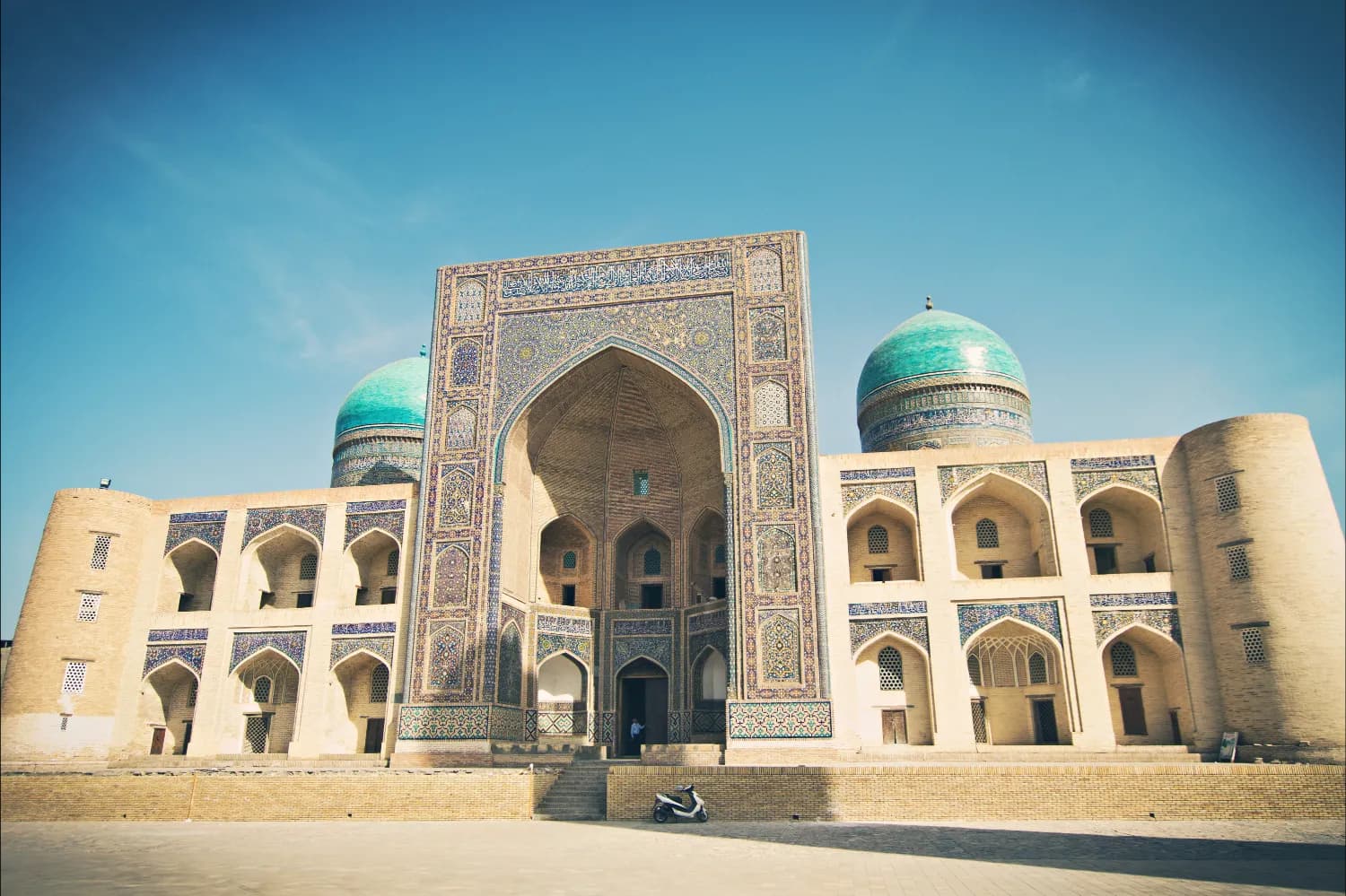
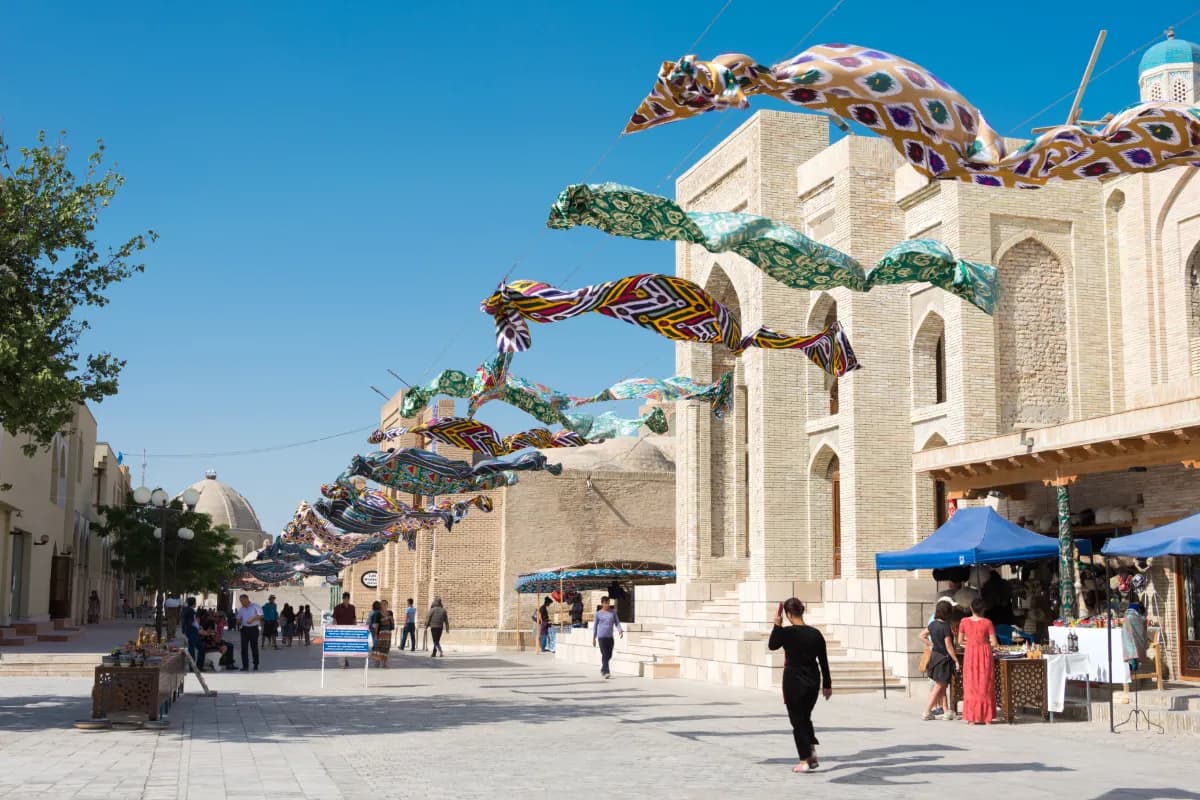
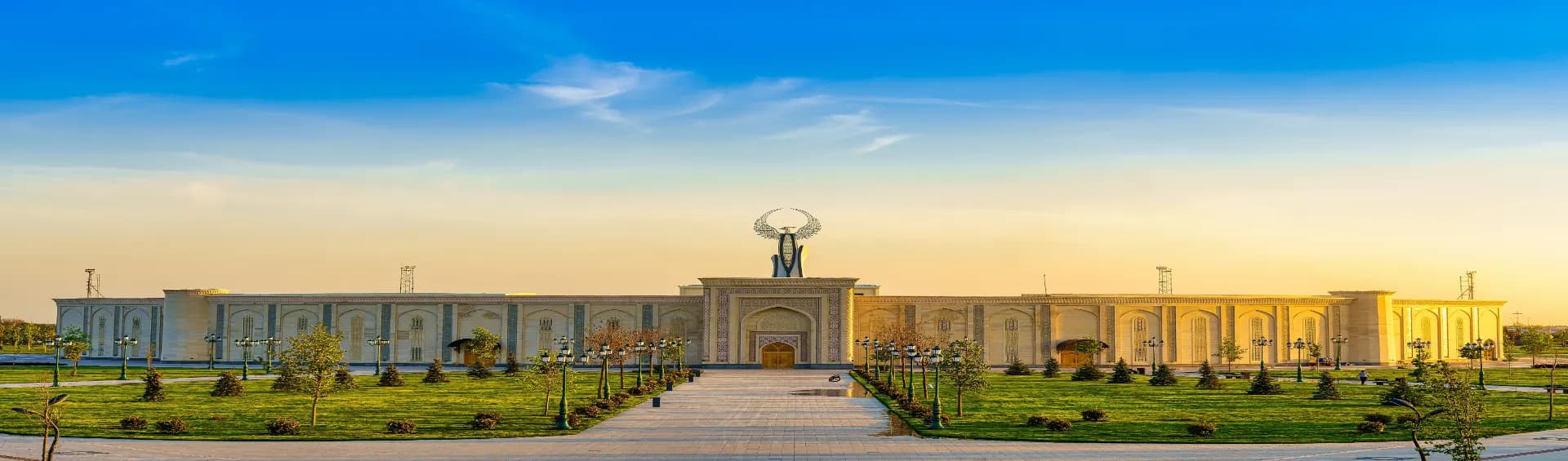
Because it earns it. The weather is warm without being brutal. The Silk Road cities are fully open. Evening walks through Bukhara's old town feel effortless. One traveller described a May evening there as walking through a living postcard. That is not an exaggeration.
Early June, yes. But anyone researching Uzbekistan weather in June will tell you the same thing: mid-month onwards, you need a strategy. The heat builds fast, and the desert regions around Bukhara become draining by midday. Mornings are your window. Out by 7am, indoors by noon, back out after 5pm. The cherry harvest makes it worth the discipline.
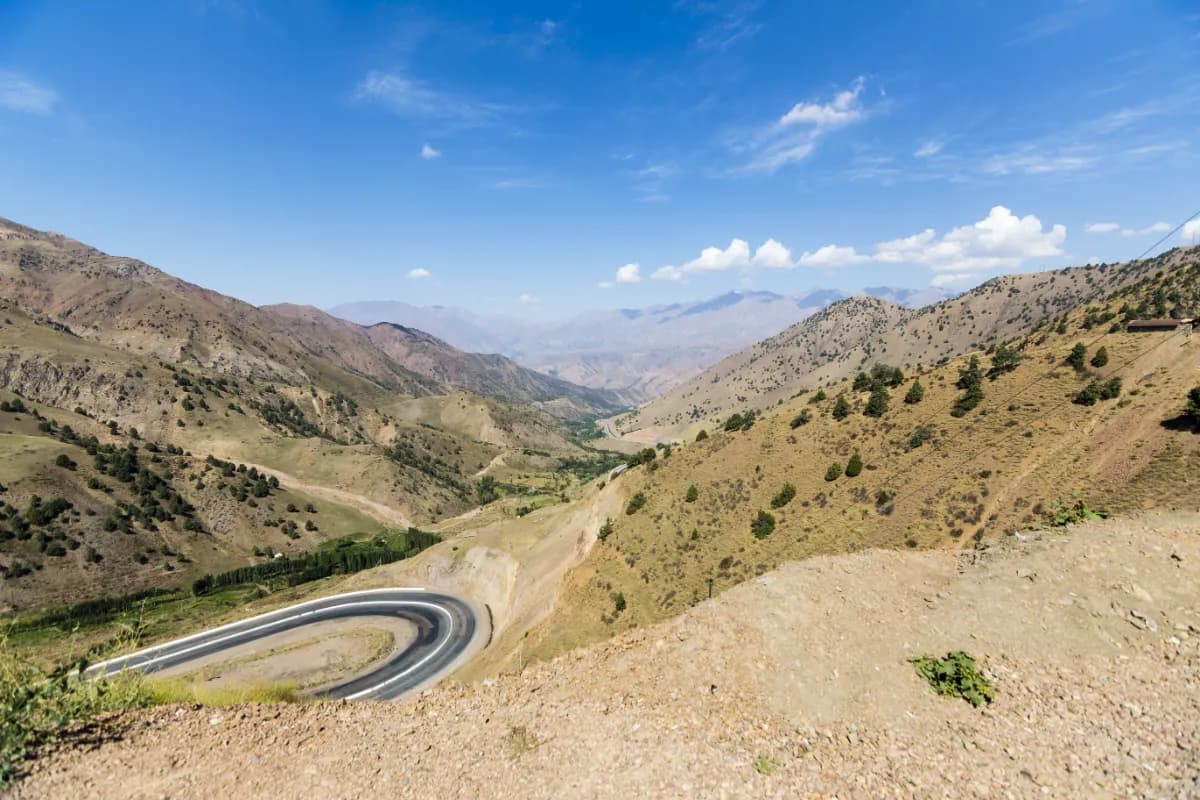
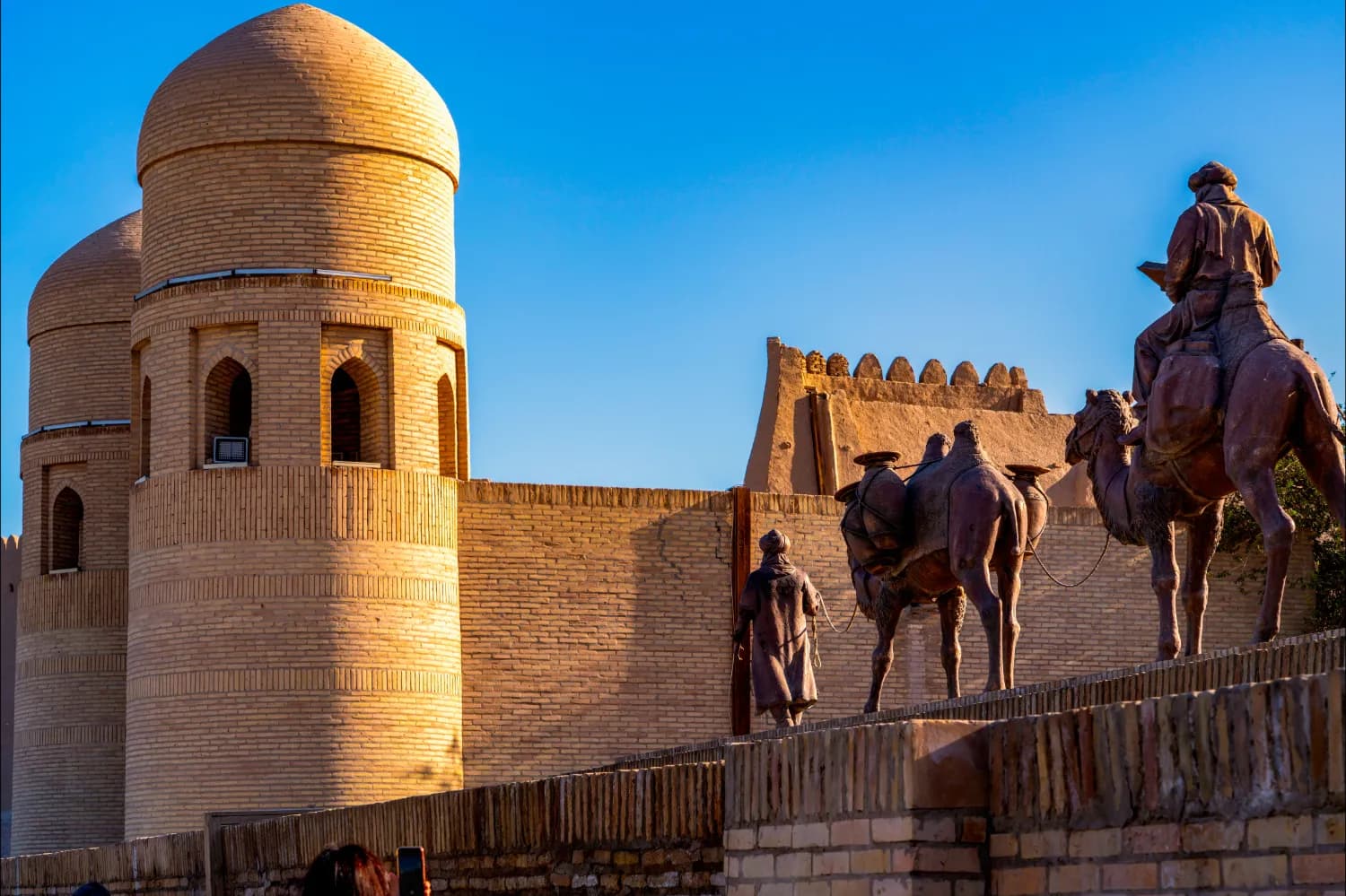
For most people, yes. Uzbekistan weather in July is the harshest it gets all year. Bukhara and the Kyzylkum Desert push past 40°C regularly. A 20-minute walk in April becomes a 45-minute ordeal in July because you are stopping constantly for water and shade. The melon festival is extraordinary, but be honest with yourself about the heat.
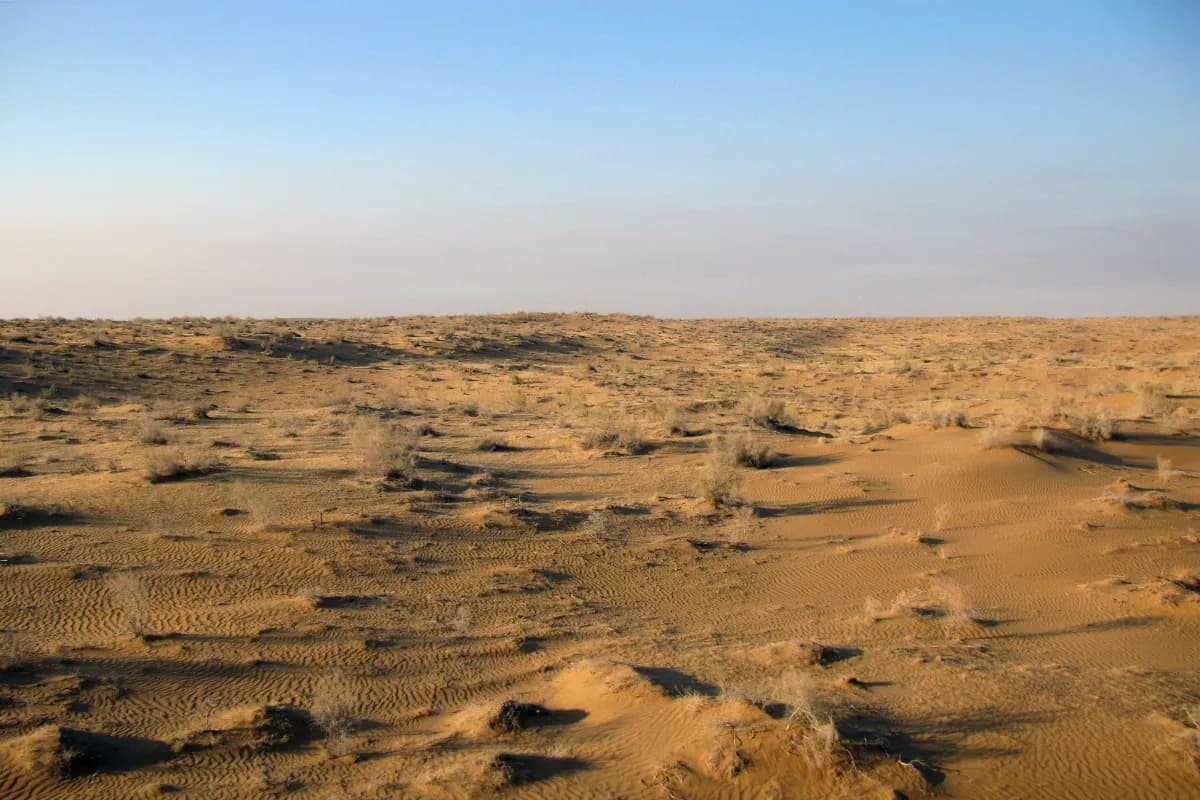
The serious ones. Uzbekistan weather in August is still brutal, with dust becoming a real issue for anyone with respiratory sensitivities and the heat refusing to let go. But the Aral Sea in August has a raw, haunting quality that no other season delivers. Rusted ships, cracked earth, blazing sky. It is not comfortable, but it is unforgettable.
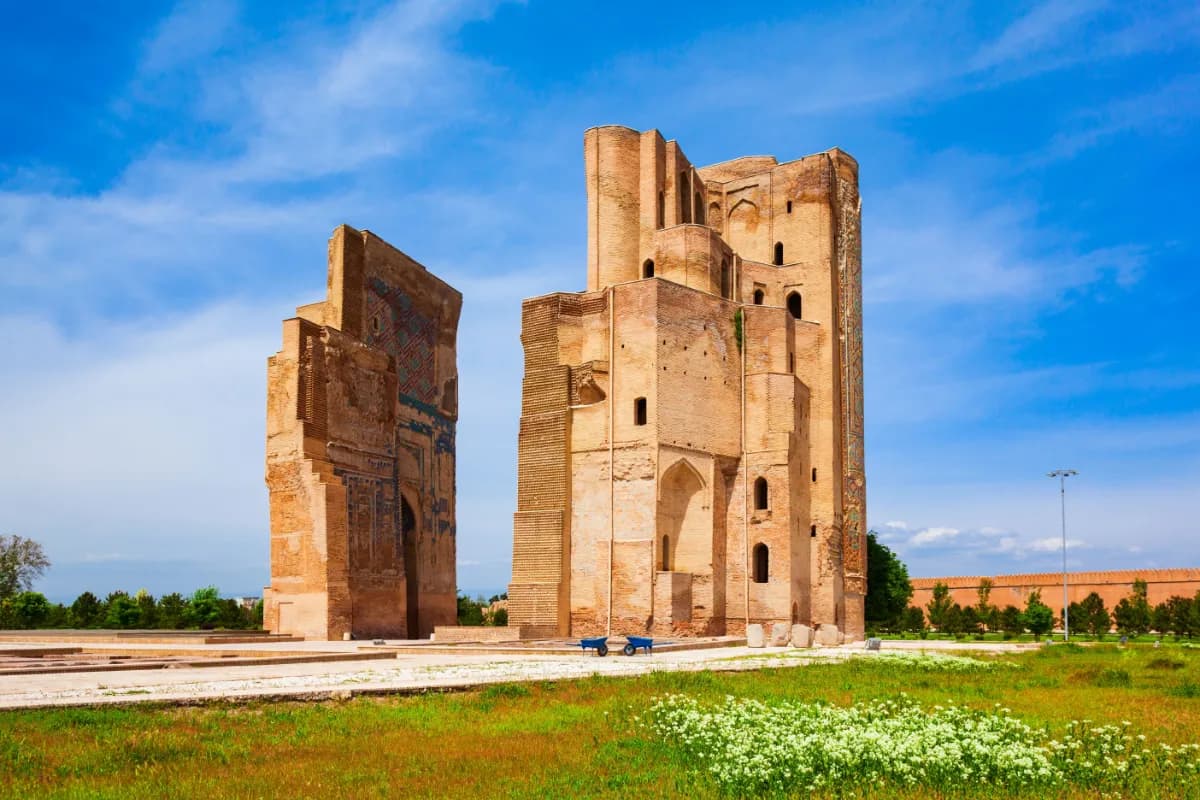
Noticeably. The heat breaks, the bazaars fill with pomegranates and grapes, and the ancient cities stop punishing you for walking around in the afternoon. A solo traveller who visited in late September said it felt like having the country to herself, with better fruit than she had tasted anywhere in the world.
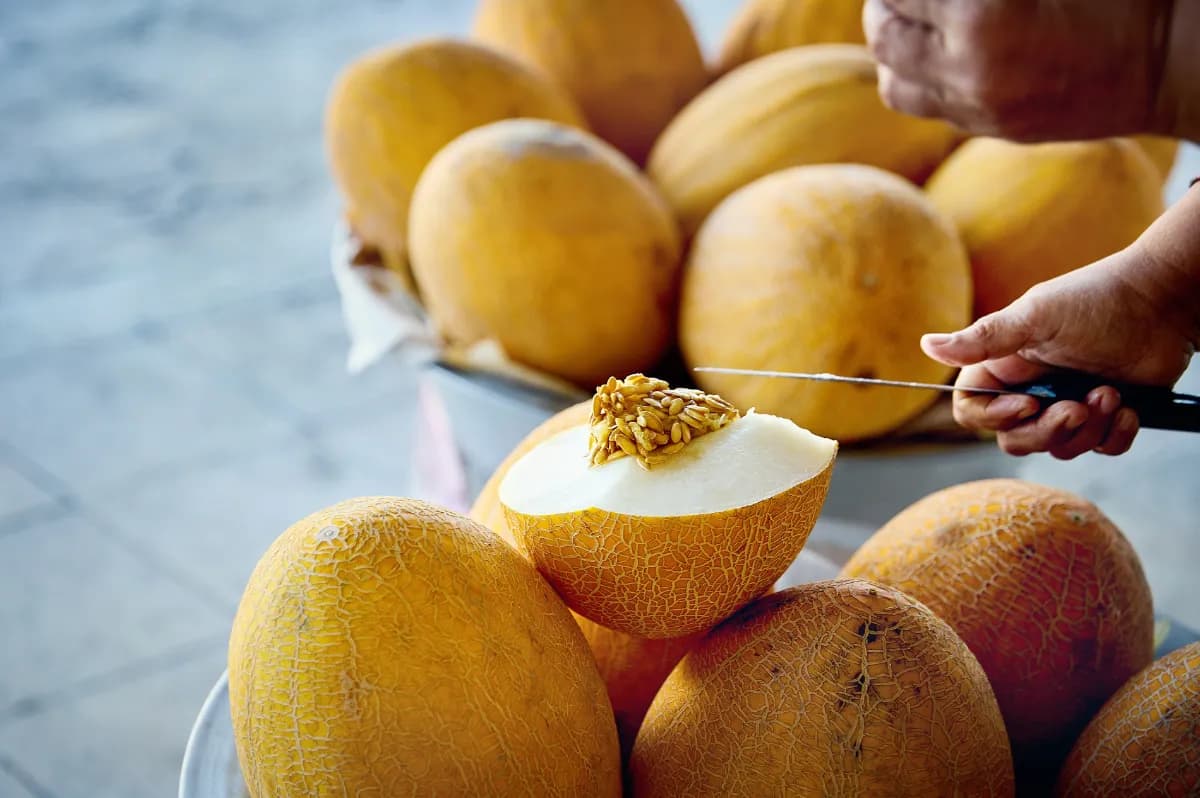
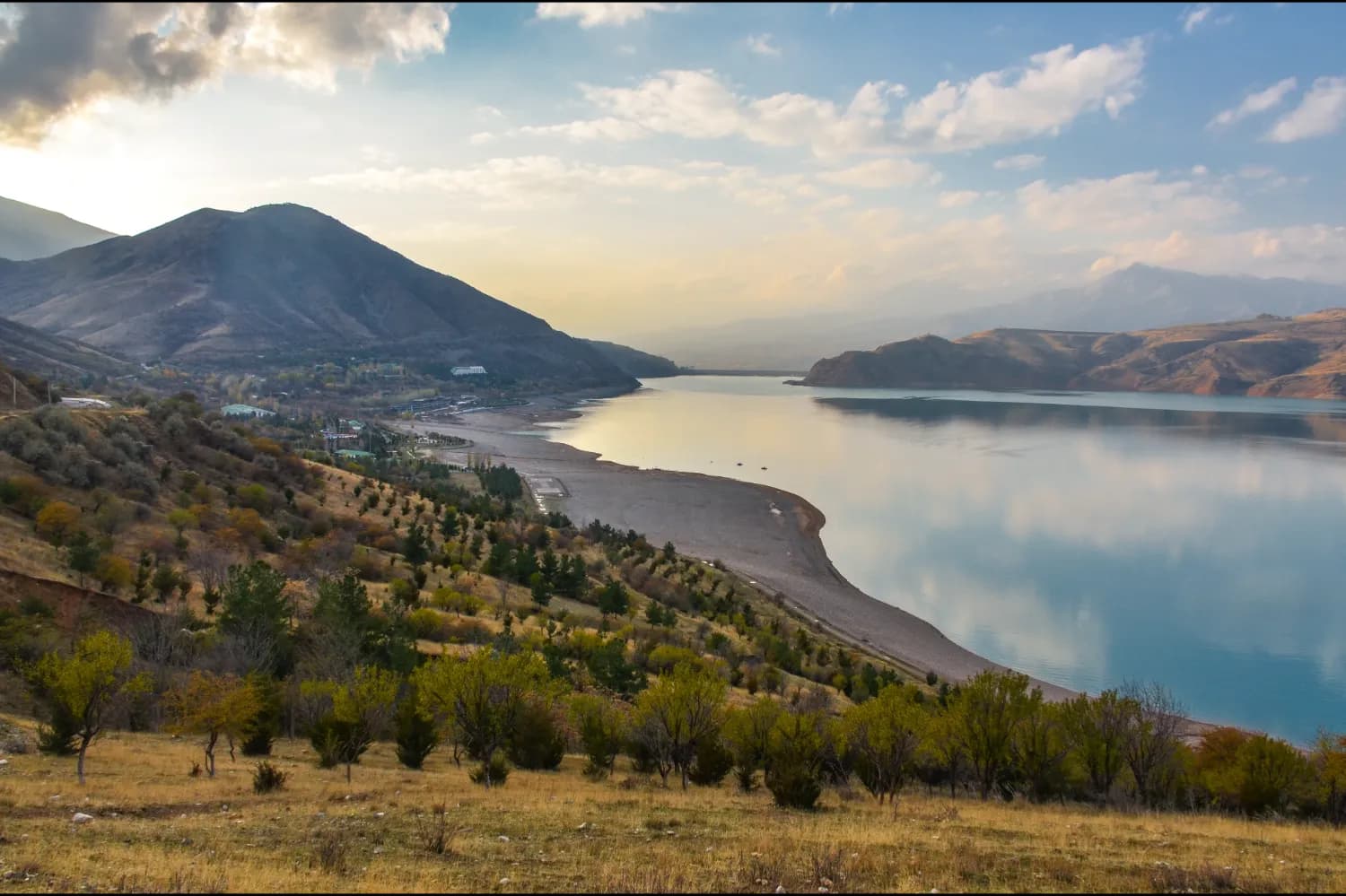
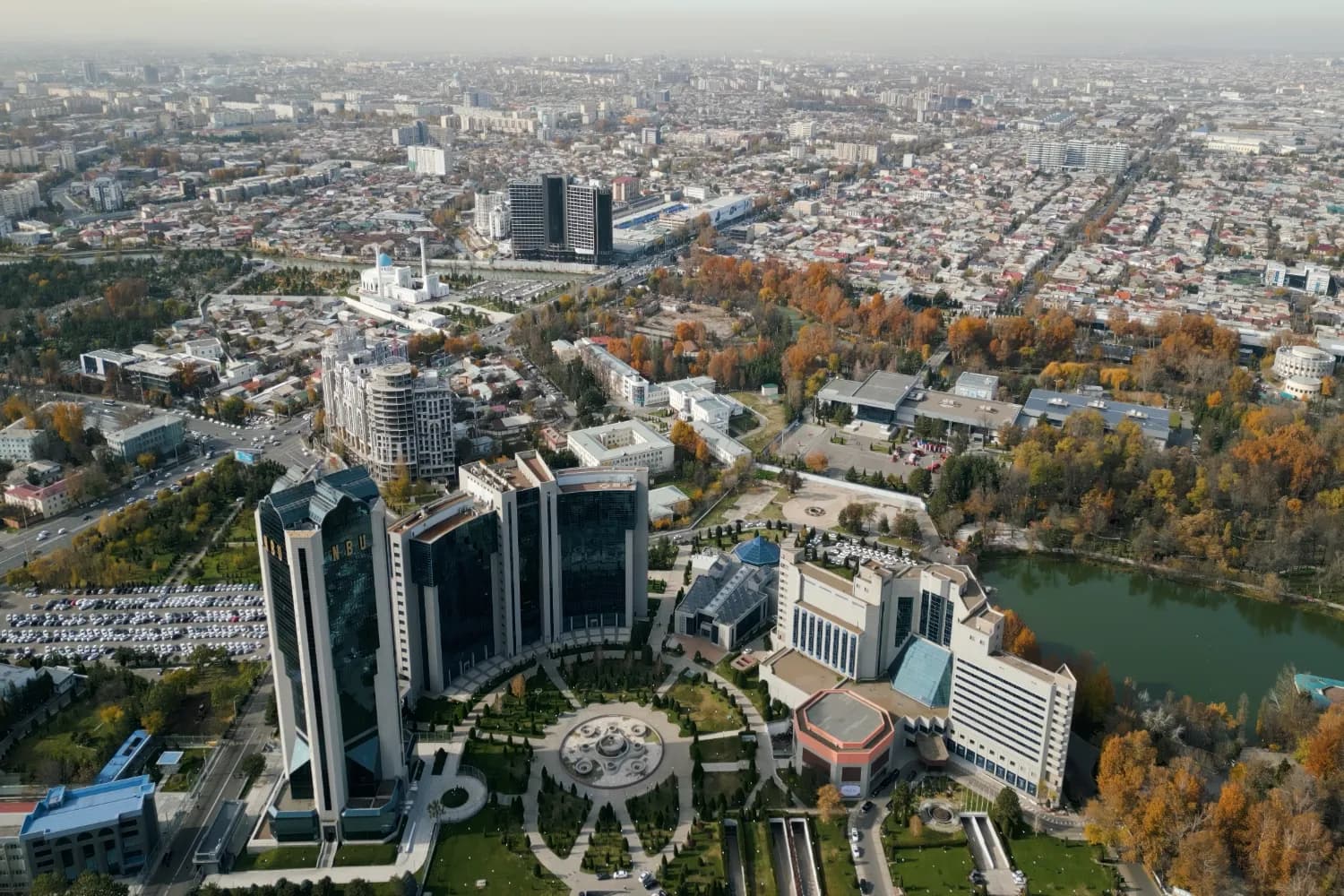
Completely. Golden light, amber foliage around Chimgan, crisp air, and almost no crowds. Sightseeing is comfortable all day long. Flights from the UAE are cheaper. The skies are clear. October is the month experienced travellers quietly book while everyone else fights for May hotels.
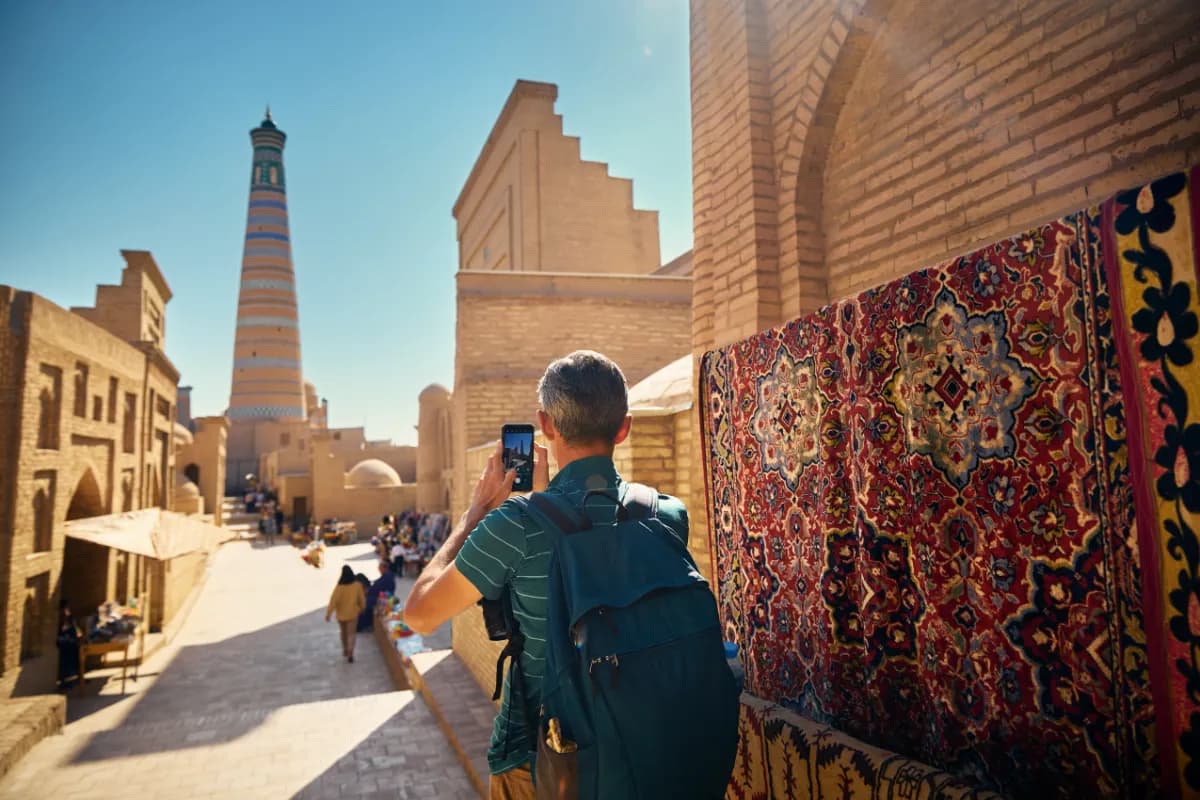
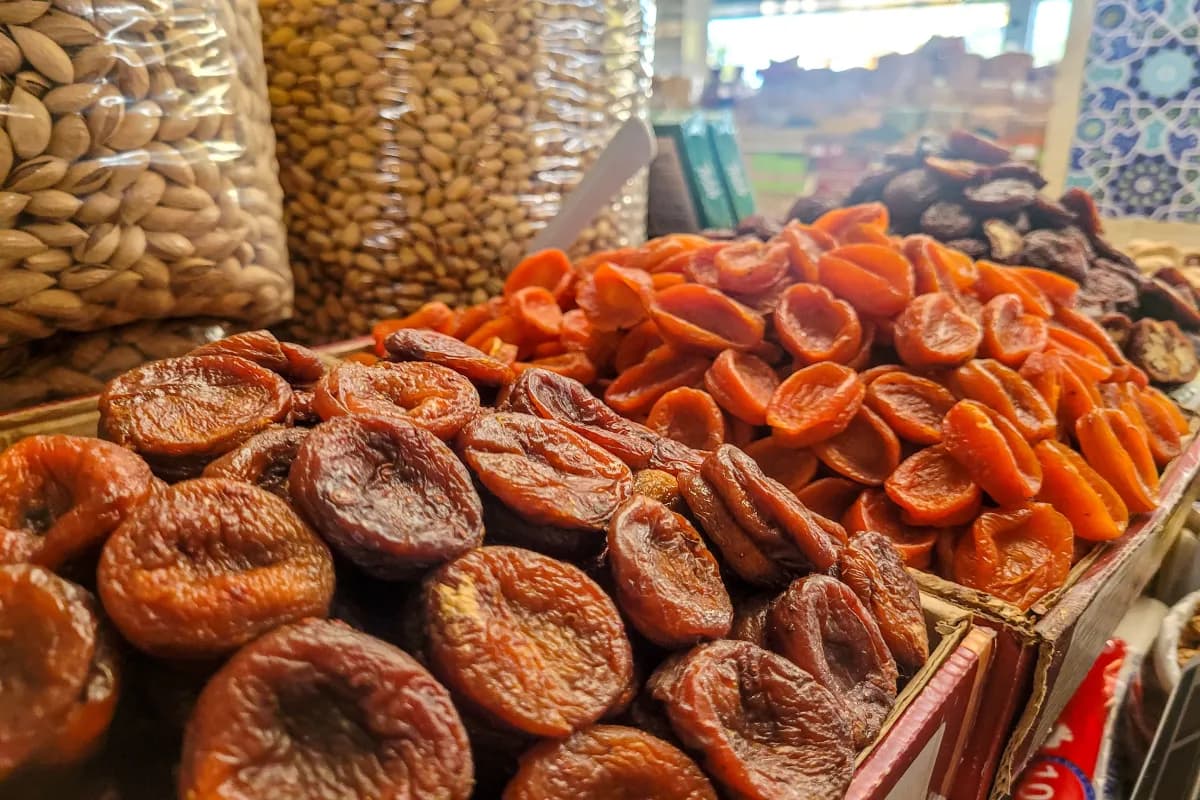
It gets quiet, fast. Rural guesthouses start closing. Nights turn cold, and the tourist energy drops noticeably. But the bazaars in Tashkent shift into a different gear entirely, stocking handwoven textiles, dried apricots, and walnuts straight from local producers. For shoppers who hate crowds, the Uzbekistan weather is the real window.
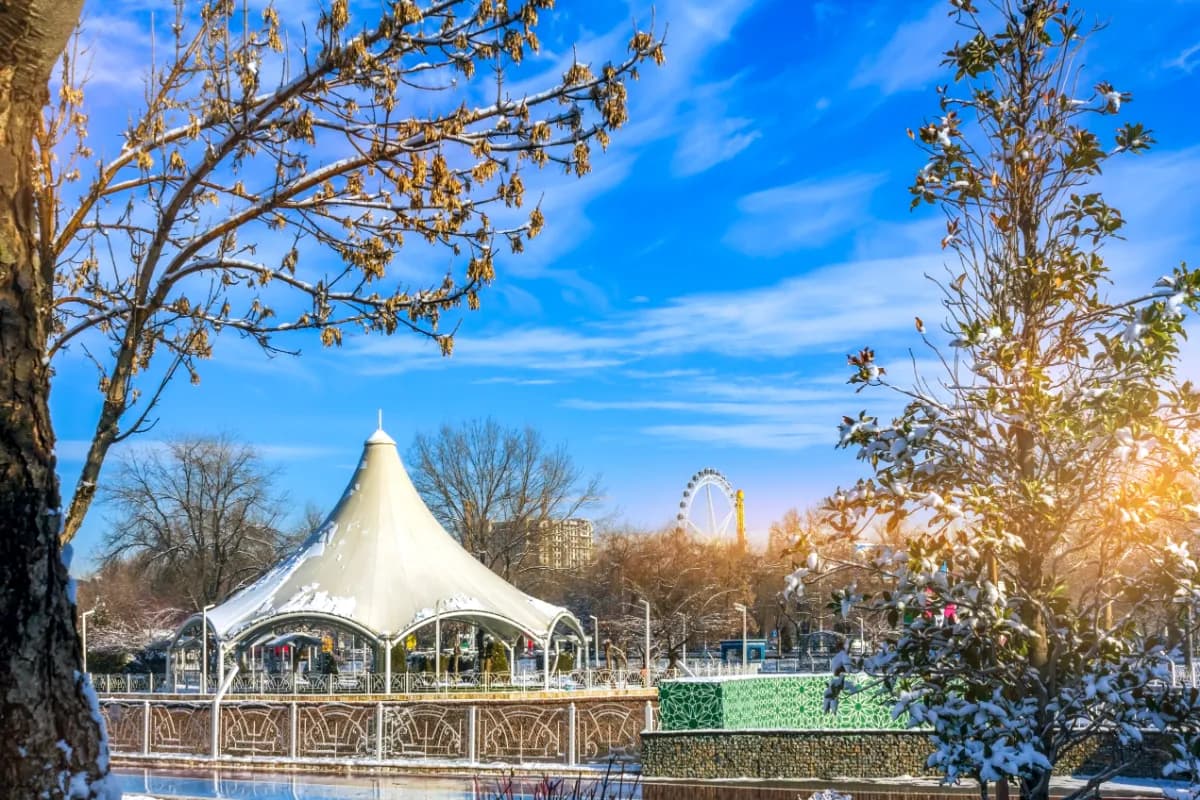
Mostly yes. Snow settles on the Registan domes in Samarkand, and it genuinely looks stunning. But cobblestone streets get slippery, most tourists are gone, and the cold is unforgiving. For someone returning to Uzbekistan who wants to stand alone in a 500-year-old caravanserai with nobody else around, December delivers that specific, quiet magic.
Uzbekistan never gives you the same experience twice. Come in May for perfect weather. Come in March for Navruz. Come in October for golden skies and empty streets. Just do not come in July without knowing exactly what 40°C feels like on a cobblestone road.
April, May, September, and October are the strongest months. Temperatures stay between 12°C and 28°C, crowds are manageable, and all major sites are fully accessible.
Both. Uzbekistan runs on extremes. Summers push past 40°C in desert regions like Bukhara and the central steppe. Winters drop below -2°C in Tashkent and Samarkand. The shoulder seasons, April to May and September to October, are the only windows where the weather sits in a comfortable middle ground.
January. Temperatures across most of the country sit between -2°C and 5°C, with mountain regions dropping further. Tashkent and Samarkand regularly see snowfall, and some rural roads become inaccessible. If cold-weather travel is not your preference, January is the month to avoid.
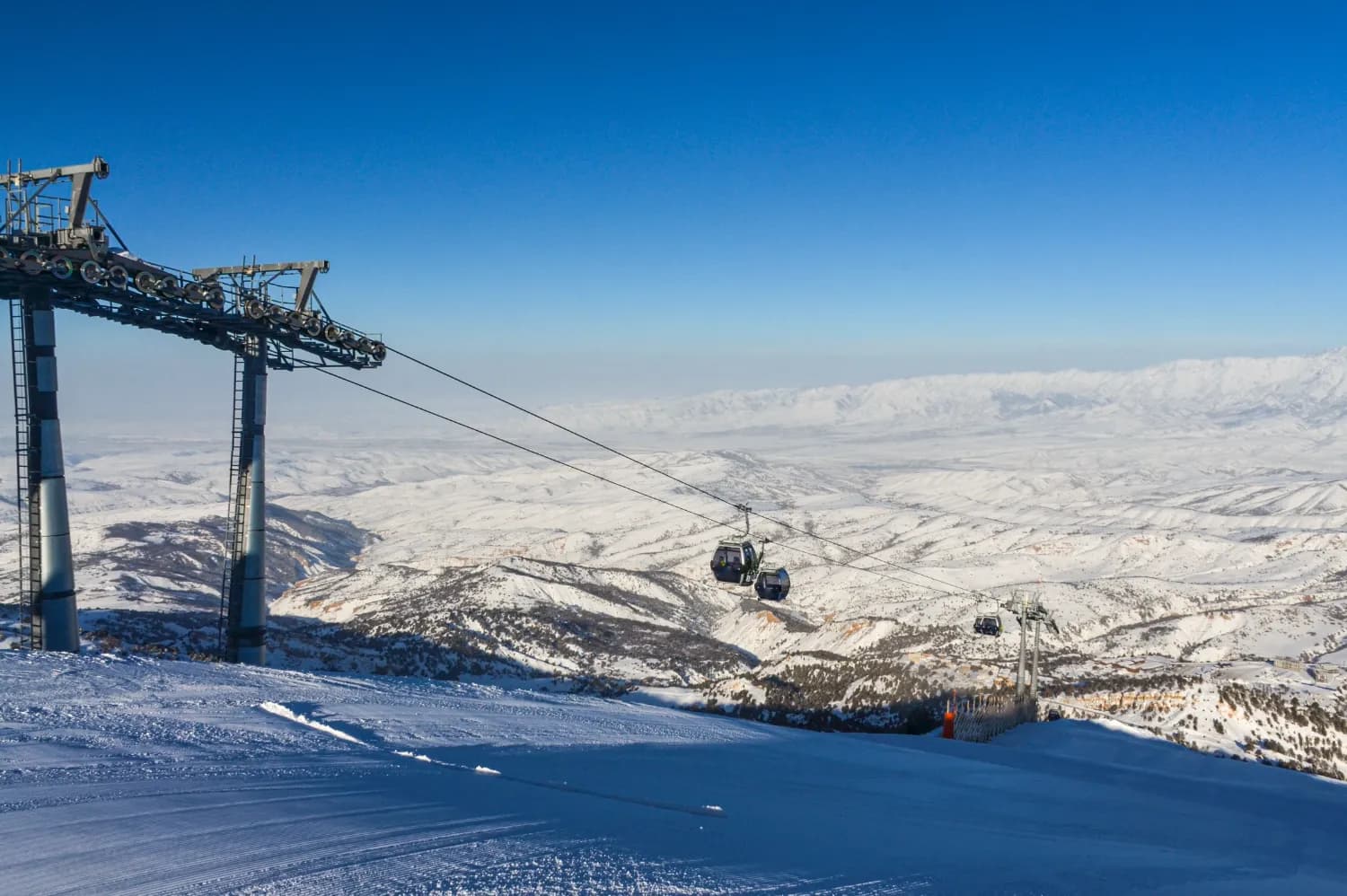
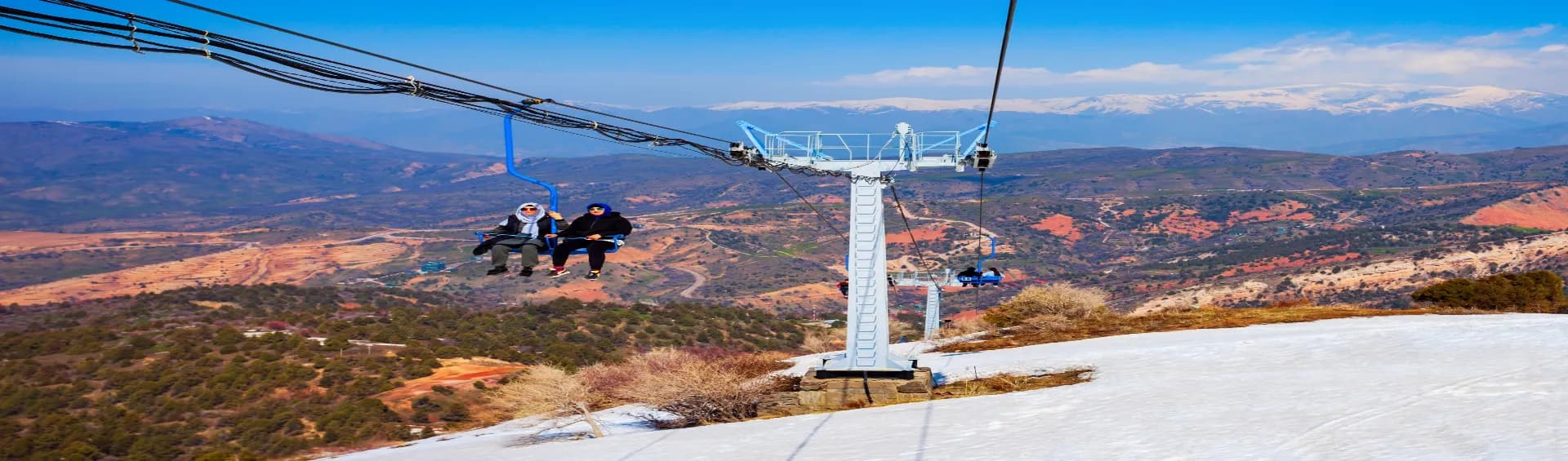
Yes. Snowfall is common in Tashkent, Samarkand, and Bukhara between December and February. The Tian Shan and Pamir-Alay mountain ranges receive heavy snow from November onwards. The Shymbulak-adjacent ski areas near the Uzbek-Kazakh border attract winter sports travellers specifically for this reason.
June 3, 2026
February 16, 2026
February 16, 2026
June 4, 2026
June 3, 2026