

 8 Minutes
Seychelles may be famous for its turquoise beaches and luxury resorts, but many travelers leave the islands talking about something unexpected, it’s the food. Seychelles food cuisine carries strong Creole culture, which is a mix of different cultures, primarily between European colonizers (such as the French, Spanish, and English) that have shaped the islands for generations.
This blog lists the best foods in Seychelles, which surprises most visitors. You can find these in small beachfront restaurants, local takeaway counters, and family-run kitchens that often serve the most memorable meals. For travelers from Dubai looking for more than just beaches, exploring Seychelles food before booking Seychelles tour packages adds an entirely different layer to the trip.
AED 5,599
per person
AED 3,399
per person
AED 3,799
per person
The history of Seychelles cuisine is shaped by centuries of migration, trade, and colonial influence across the Indian Ocean. African settlers introduced slow-cooked stews and spice-based cooking, while French colonists brought rich sauces, herbs, and cooking techniques. Indian traders added curries, rice dishes, turmeric, and strong spice flavors that are still visible in modern Creole meals today. Over time, Chinese influences also became part of local cooking, especially in stir-fried dishes and noodle-based meals.
Because Seychelles is surrounded by the ocean, seafood naturally became the center of daily cooking. Fresh fish, octopus, crab, and shellfish are still widely used in local homes and restaurants. Coconut milk, breadfruit, cinnamon, vanilla, and tropical fruits further shaped the identity of Seychelles cuisine, creating the unique Creole flavors travelers experience across the islands today.
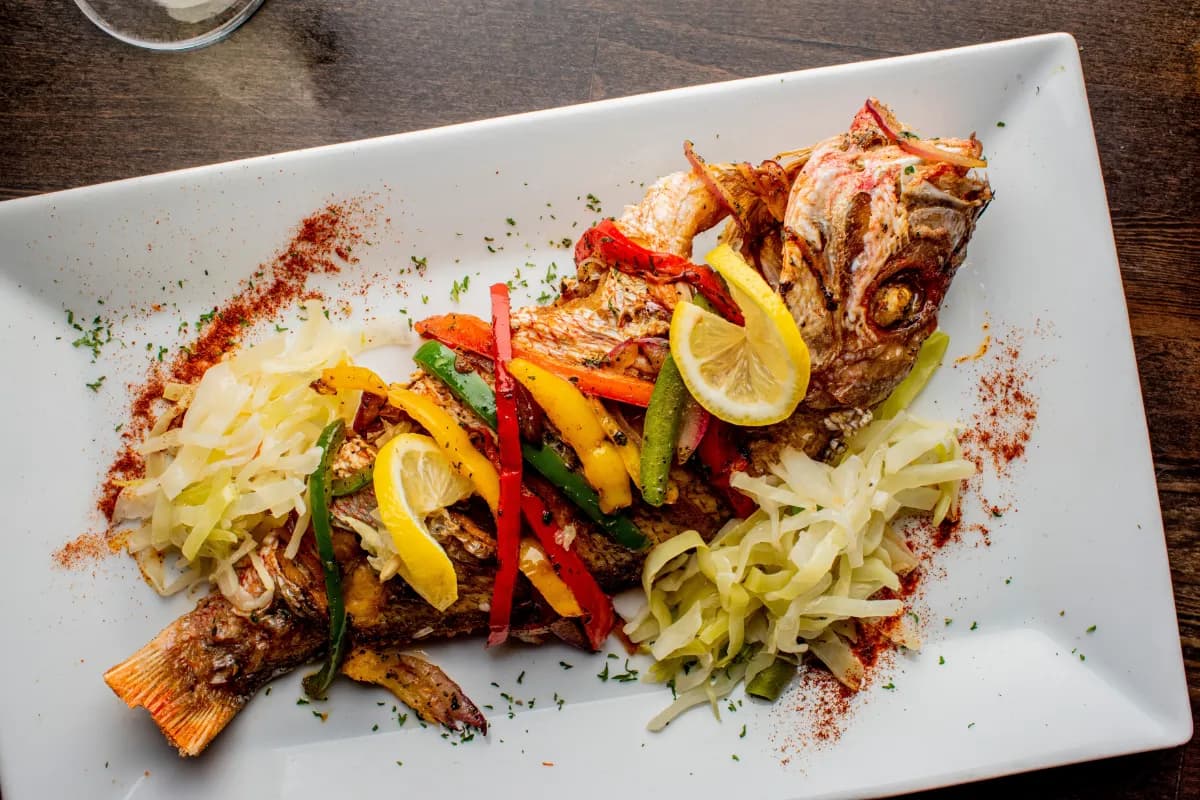
Fresh grilled red snapper is one of the ways to understand Seychelles cuisine. The fish is usually marinated with garlic, lime, black pepper, and Creole spices before being cooked over charcoal grills near the beach.
Most restaurants serve it with rice, lentils, and spicy Creole sauce. In Mahé, many seaside restaurants display the day’s catch before dinner service begins, which is a good sign that the seafood is genuinely fresh. Sunset seafood dinners are especially popular because many restaurants place outdoor tables facing the ocean.
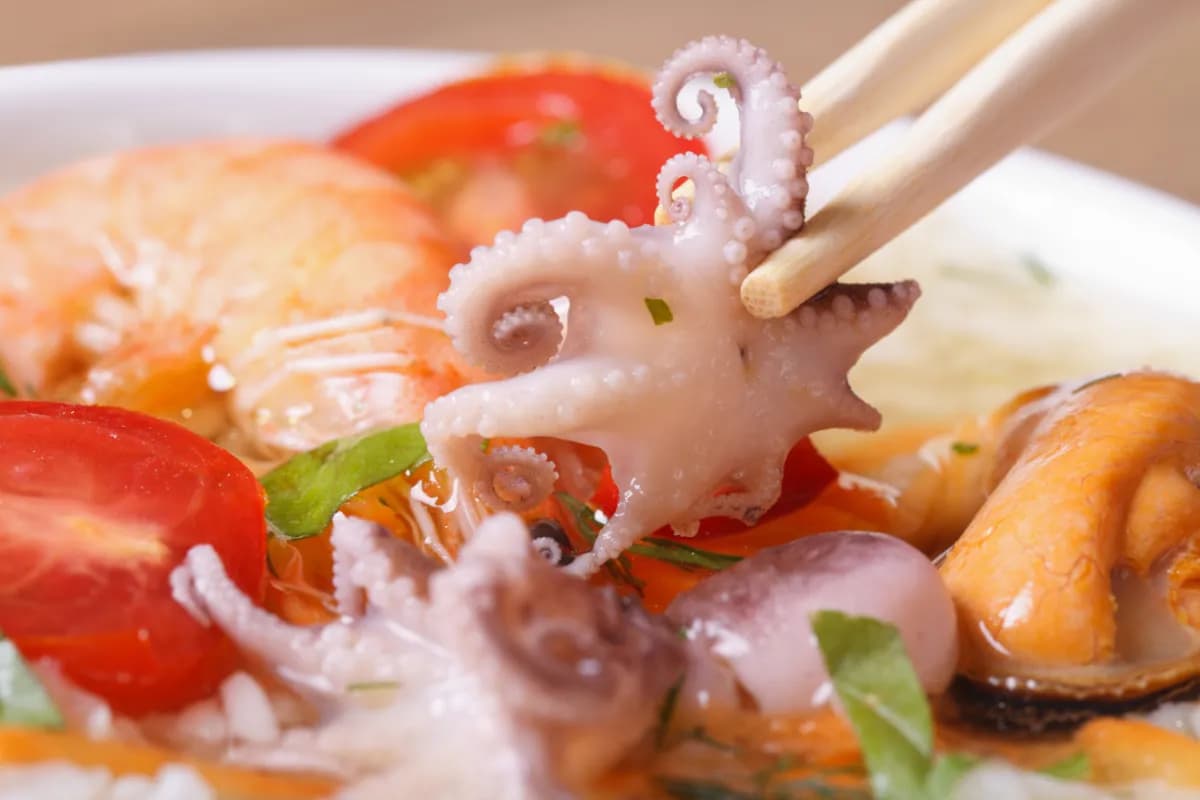
Octopus curry is one of the most loved traditional Creole dishes in Seychelles. Travelers often expect octopus to feel rubbery, but properly cooked versions are surprisingly soft. Slow-cooked in coconut milk with turmeric, ginger, garlic, and onions, the curry develops a rich flavor without becoming overly spicy.
You can find this Seychelles food in smaller family-run restaurants, which usually prepare stronger and more authentic flavors compared to large hotel buffets.
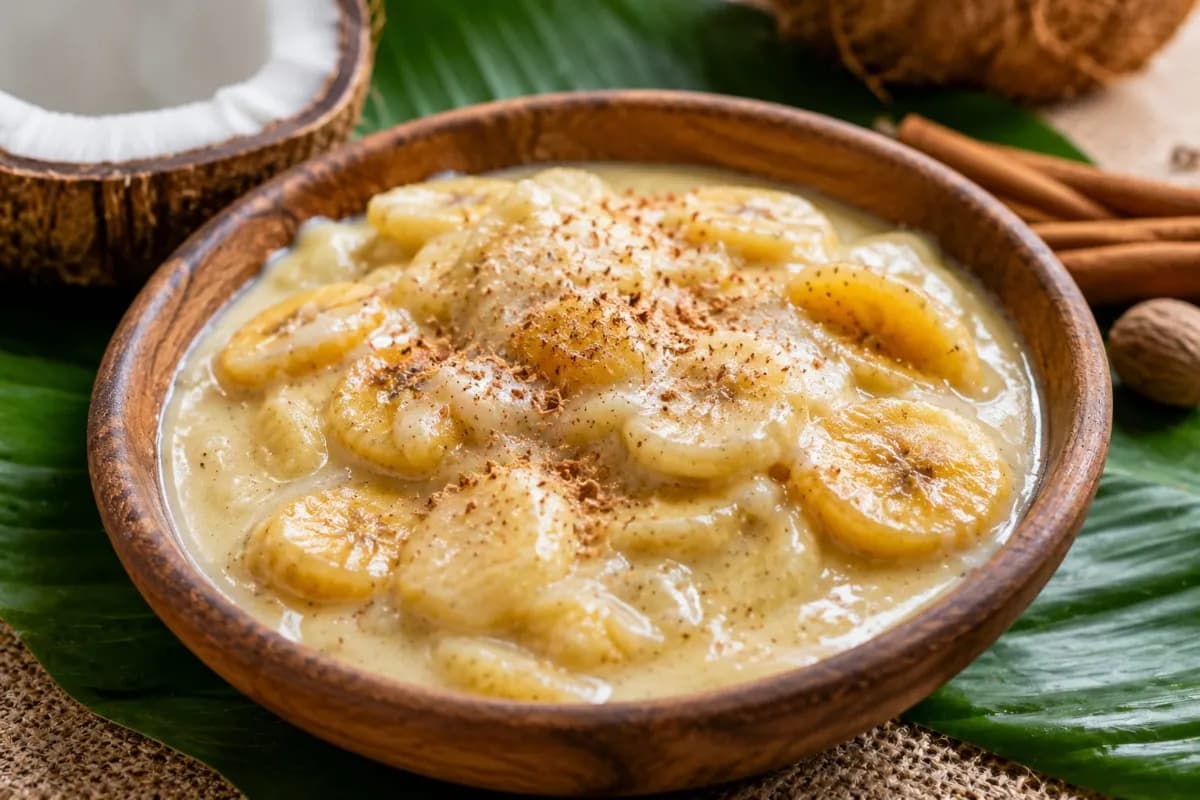
Ladob is one of Seychelles’ oldest traditional desserts. It is prepared using bananas or sweet potatoes, slowly cooked in coconut milk with vanilla, nutmeg, and cinnamon.
The texture is thick, creamy, and comforting rather than overly sweet.
While many resorts now serve modern plated versions, traditional Ladob still tastes better in local Creole restaurants where it is cooked slowly in large pots. Some locals even eat it for breakfast, especially during cooler mornings after rain.
Shark chutney is the most unique traditional dish you can try in Seychelles. It is made using shredded shark meat mixed with lime, onions, turmeric, and bilimbi fruit, which gives the dish its slightly sour taste.
The flavor is smoky, salty, and tangy at the same time. It is becoming less common in highly touristy areas, so travelers usually find more authentic versions in traditional Creole restaurants instead of luxury resorts. This is the type of dish that reflects the older culinary traditions of the islands.
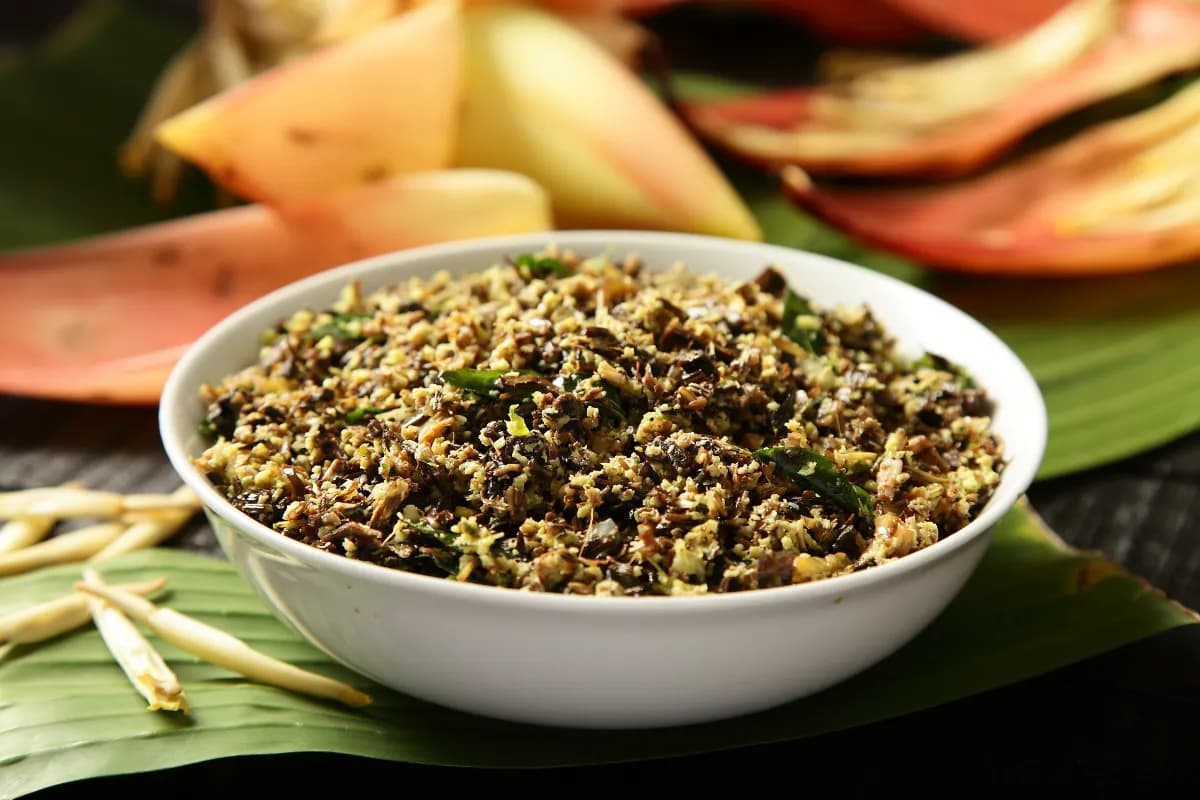
Satini Requin is a flavorful Creole side dish made using dried shark fish, onions, chili, and lime juice. It is commonly served alongside curries, rice, and grilled seafood.
Seychelles cuisine often combines spicy, sour, and smoky elements on the same plate. Just like this, there are many local meals that are designed to complement fresh seafood rather than overpower it.
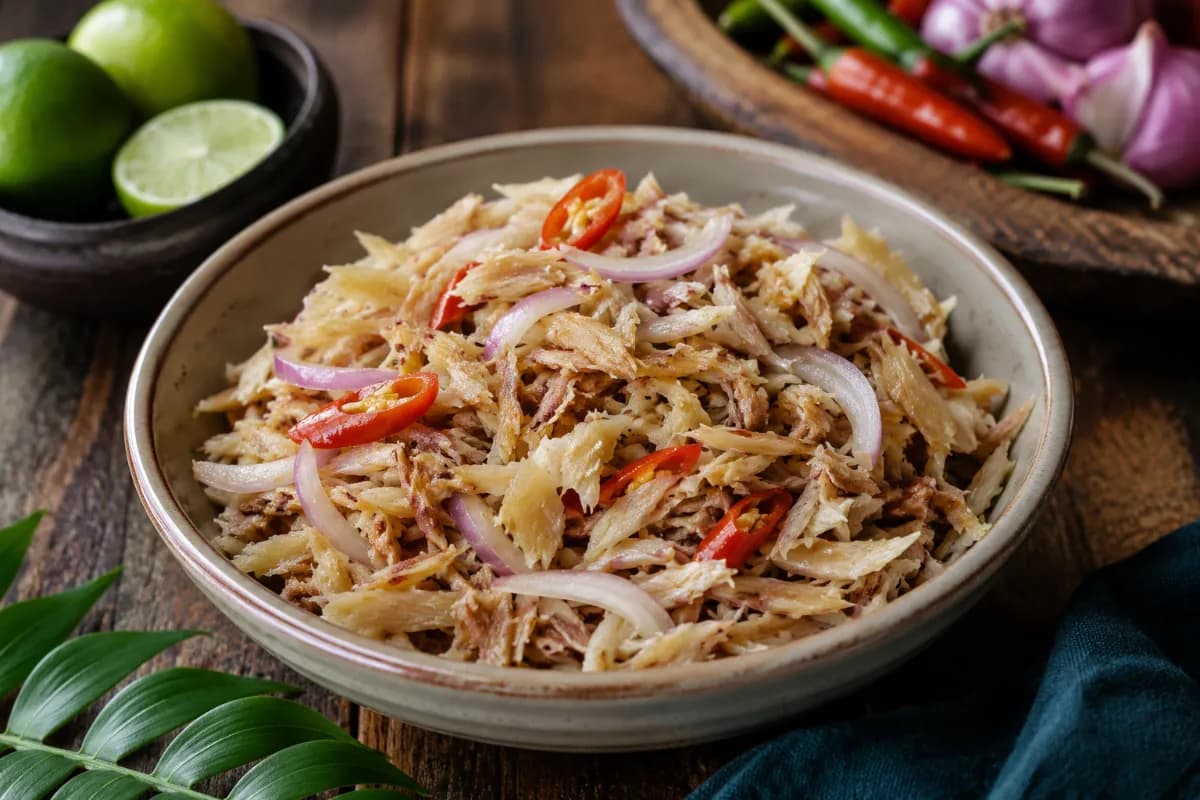
Breadfruit chips are one of the most common local snacks across Seychelles. Thin slices of breadfruit are fried until crispy and usually served with spicy chili dips or seafood meals. Dishes like these show how Seychelles food is deeply connected to local island produce instead of imported ingredients.
They are sold near beaches and roadside takeaway counters throughout the islands. Interestingly, travelers often find fresher and hotter breadfruit chips at small local kiosks rather than resort cafés.
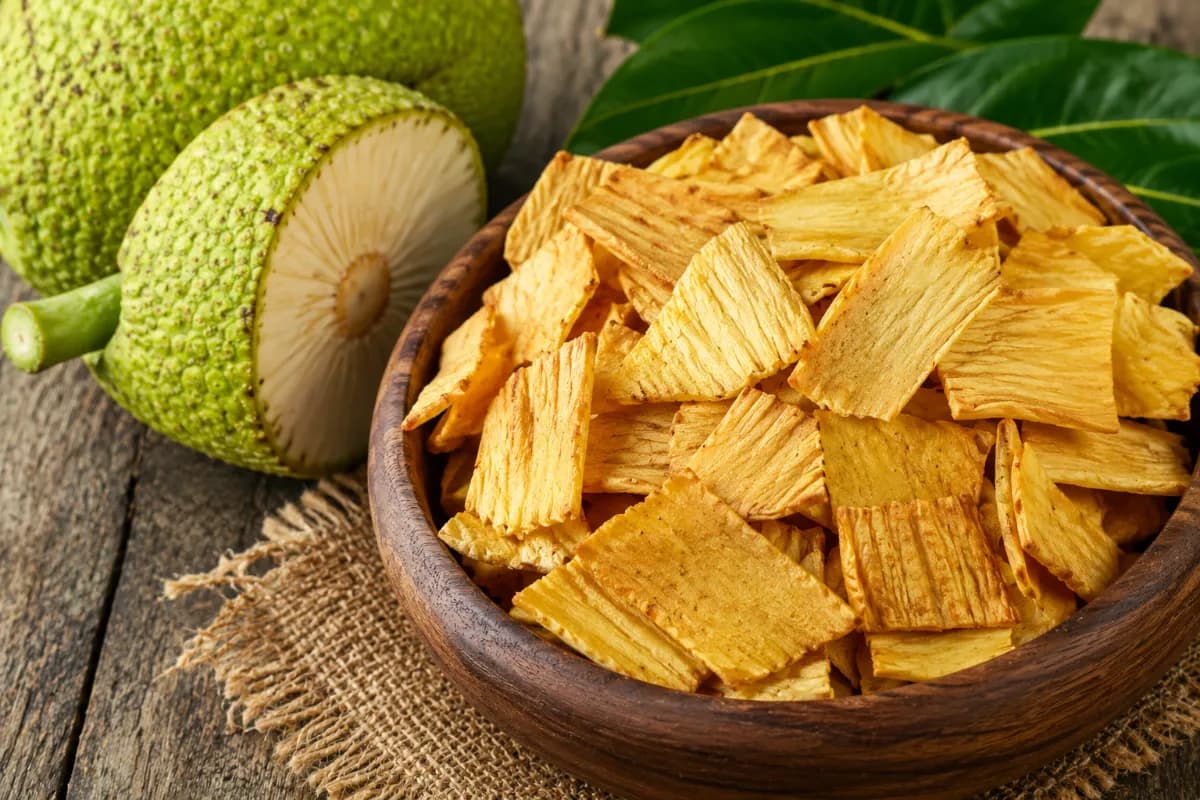
Bouyon Bred is a traditional soup prepared using local leafy greens, garlic, onions, herbs, and sometimes small pieces of fish.
Unlike heavy restaurant soups, this dish is light and flavorful. It is commonly eaten during rainy evenings or cooler weather on the islands. While tourists usually focus on seafood platters, soups like Bouyon Bred reveal the simpler side of Seychelles home cooking that many visitors never experience.
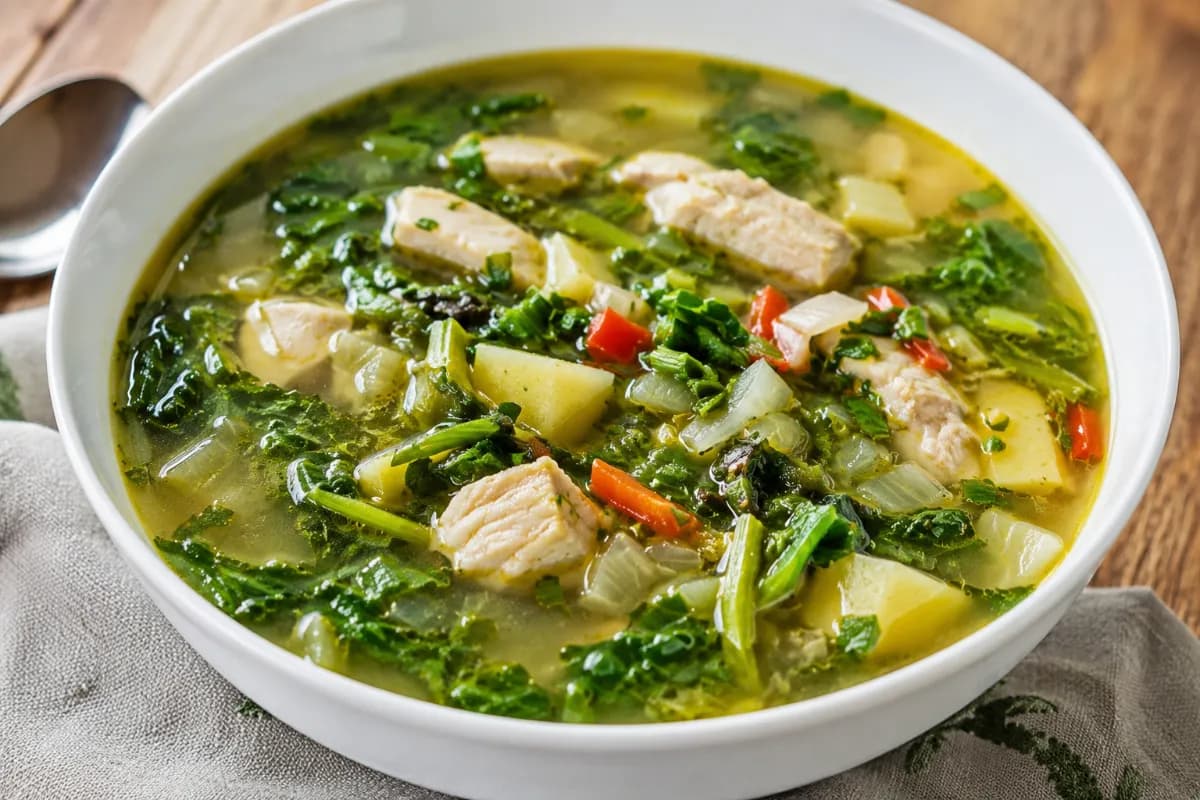
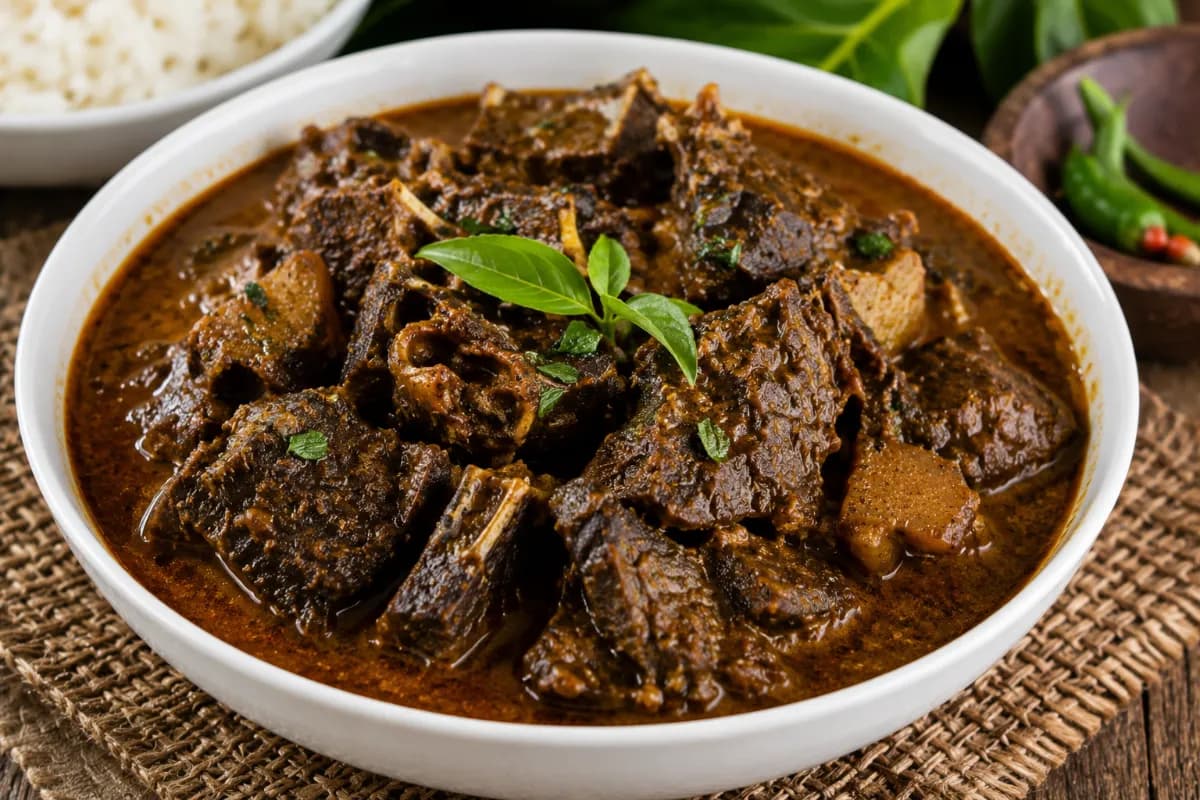
Bat curry is probably the most talked-about traditional dish in Seychelles. It is prepared using fruit bat cooked in coconut-based curry with local spices.
Not every traveler feels comfortable trying it, but the dish is an important part of Seychelles’ culinary heritage. Availability also depends on seasonal sourcing and restaurant policies. Some local restaurants offer smaller tasting portions because many visitors want to experience the cultural side of the dish without ordering a full serving.
Easy, simple, with no problem option, fresh tropical juices are available almost everywhere in Seychelles, and they are its speciality. Passion fruit, papaya, mango, guava, tamarind, and watermelon are commonly used depending on the season.
Many local cafés prepare juices fresh instead of using packaged concentrates, which makes a noticeable difference in flavor. Travelers returning from island-hopping tours often stop at small beach cafés specifically for fresh fruit drinks. These tropical flavors are now becoming a major part of the overall Seychelles food experience for visitors.

No food experience in Seychelles is complete without trying SeyBrew, the island’s most popular local beer. Light and refreshing, it pairs especially well with grilled seafood after long beach days.
Beach restaurants across Mahé, Praslin, and La Digue commonly serve SeyBrew during evening seafood dinners. Because of the tropical humidity, lighter beers tend to work better with Creole meals than heavier international options.

Trying real Seychelles food helps visitors understand the culture beyond tourist attractions and resort dining halls.
If you are planning a Seychelles holiday from Dubai, Viacation helps you discover the right islands, stays, and local food experiences before peak travel season pushes prices higher and availability becomes limited.
If you are planning a Seychelles holiday from Dubai, Viacation helps you discover the right islands, stays, and local food experiences before peak travel season pushes prices higher and availability becomes limited.
Popular Seychelles food includes grilled red snapper, octopus curry, shark chutney, Ladob, breadfruit chips, and Creole seafood dishes cooked with coconut milk, rice, spices, and fresh tropical island ingredients.
The top three popular dishes in Seychelles are octopus curry, grilled red snapper, and Ladob dessert. These dishes represent traditional Creole flavors and are commonly served across the islands.
There's no single official national dish, but octopus curry is widely considered the national dish of Seychelles. It is prepared using coconut milk, garlic, ginger, turmeric, and slow-cooked octopus, giving it rich traditional Creole flavor.
Traditional Seychelles snacks include breadfruit chips, banana chips, fish samosas, coconut cakes, and spicy dried fish preparations. These snacks are commonly sold at local markets and beachside stalls.
Ladob is the national dessert of Seychelles. It is made using bananas or sweet potatoes cooked slowly in coconut milk with cinnamon, vanilla, sugar, and nutmeg for flavor.

June 1, 2026

May 28, 2026

May 27, 2026

February 19, 2026

February 18, 2026