 Sri Lanka
 religious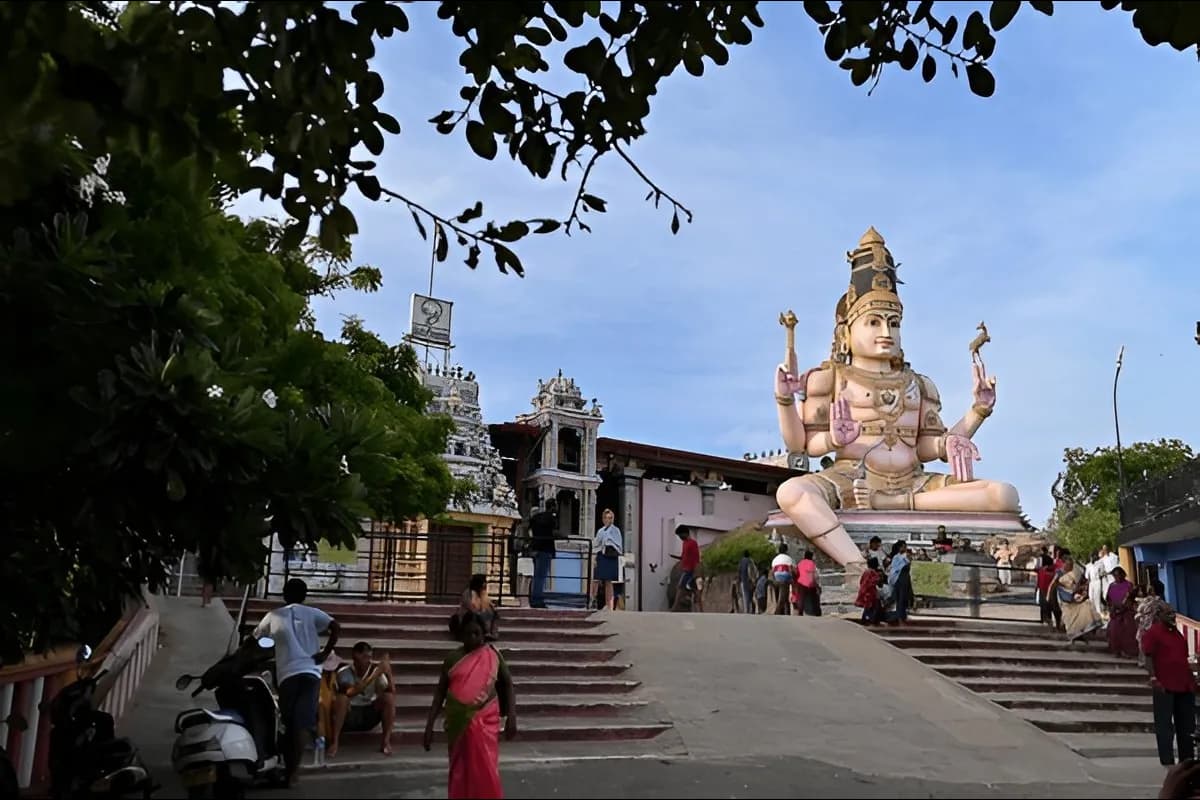
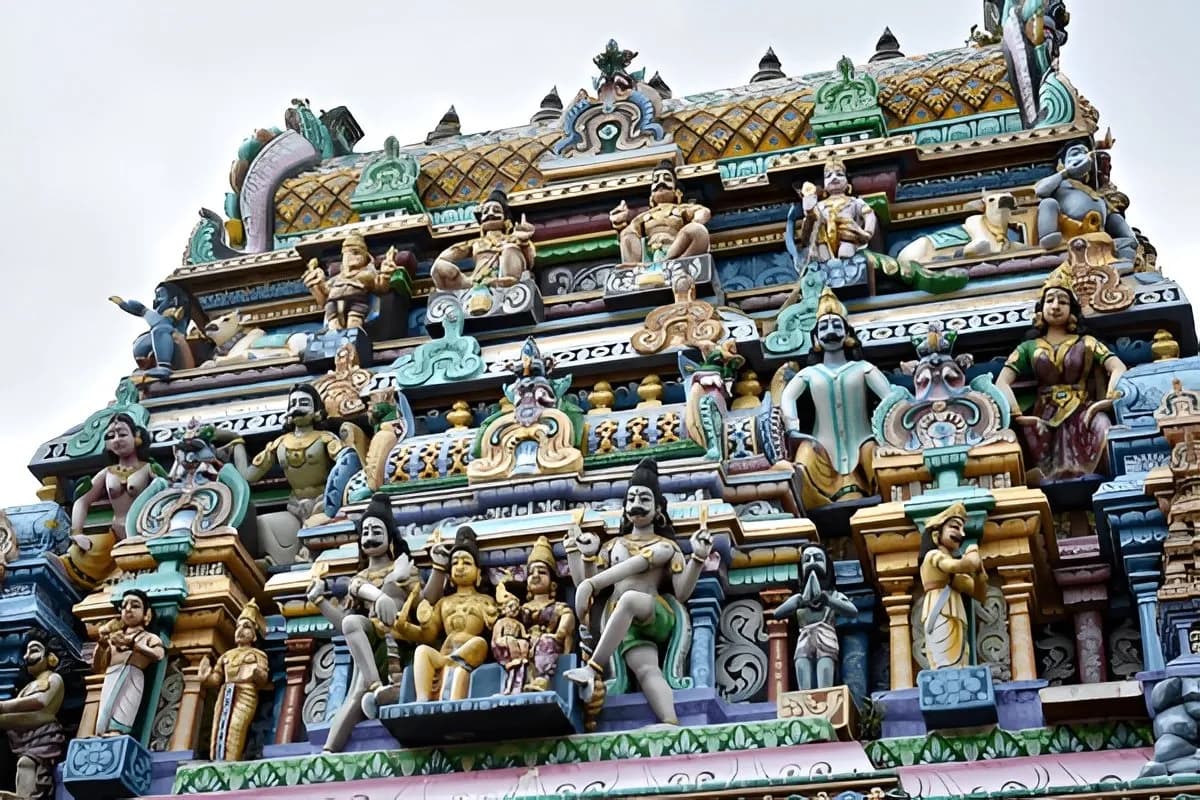
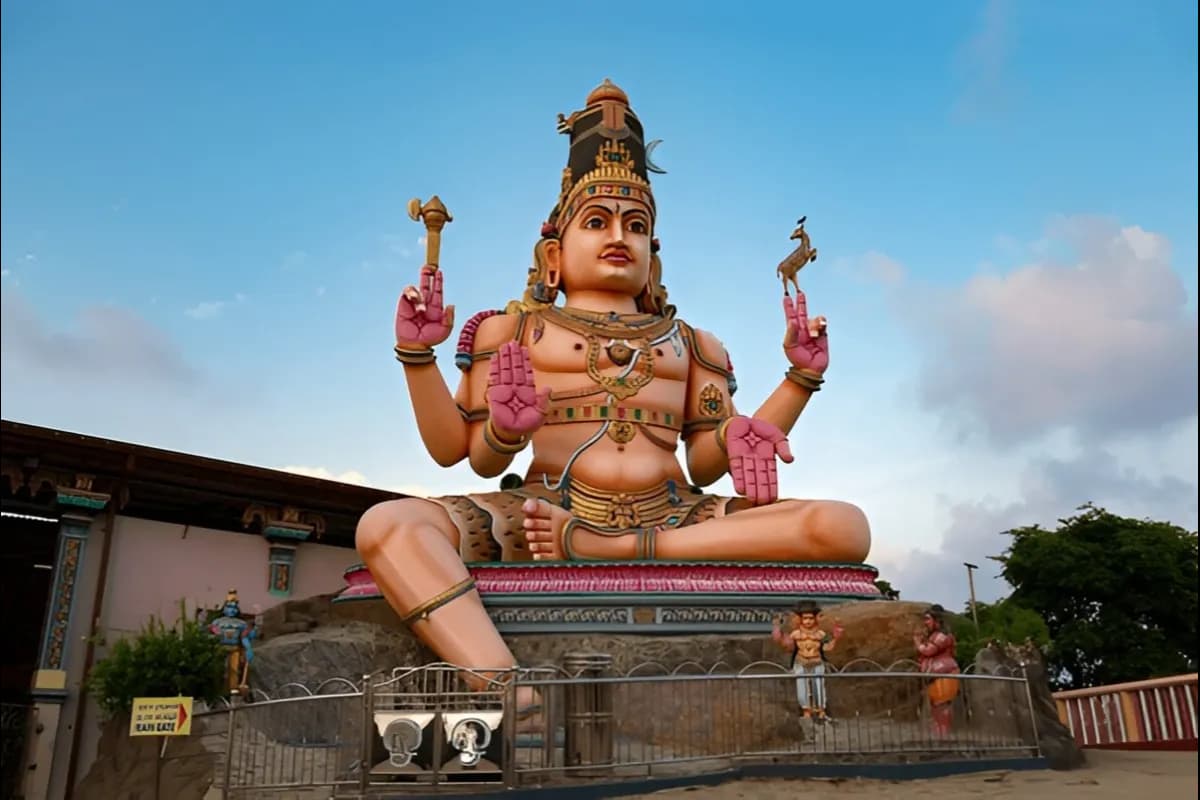
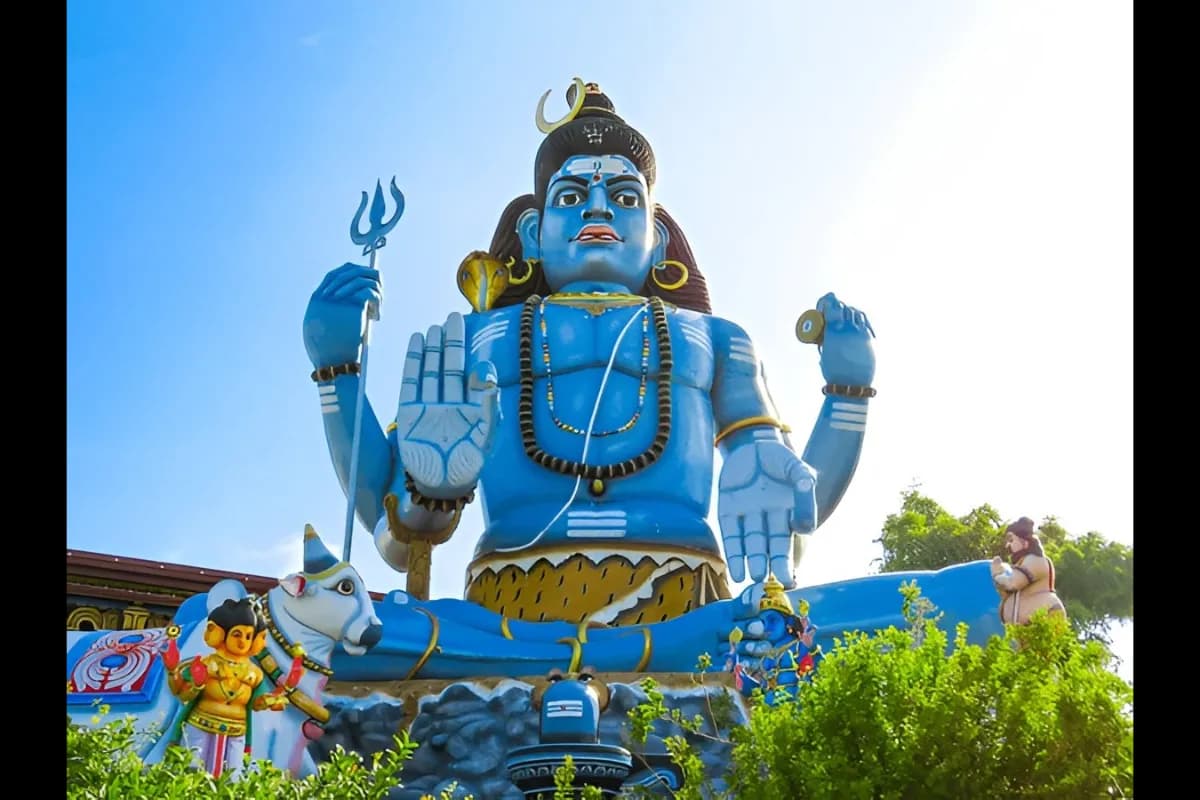
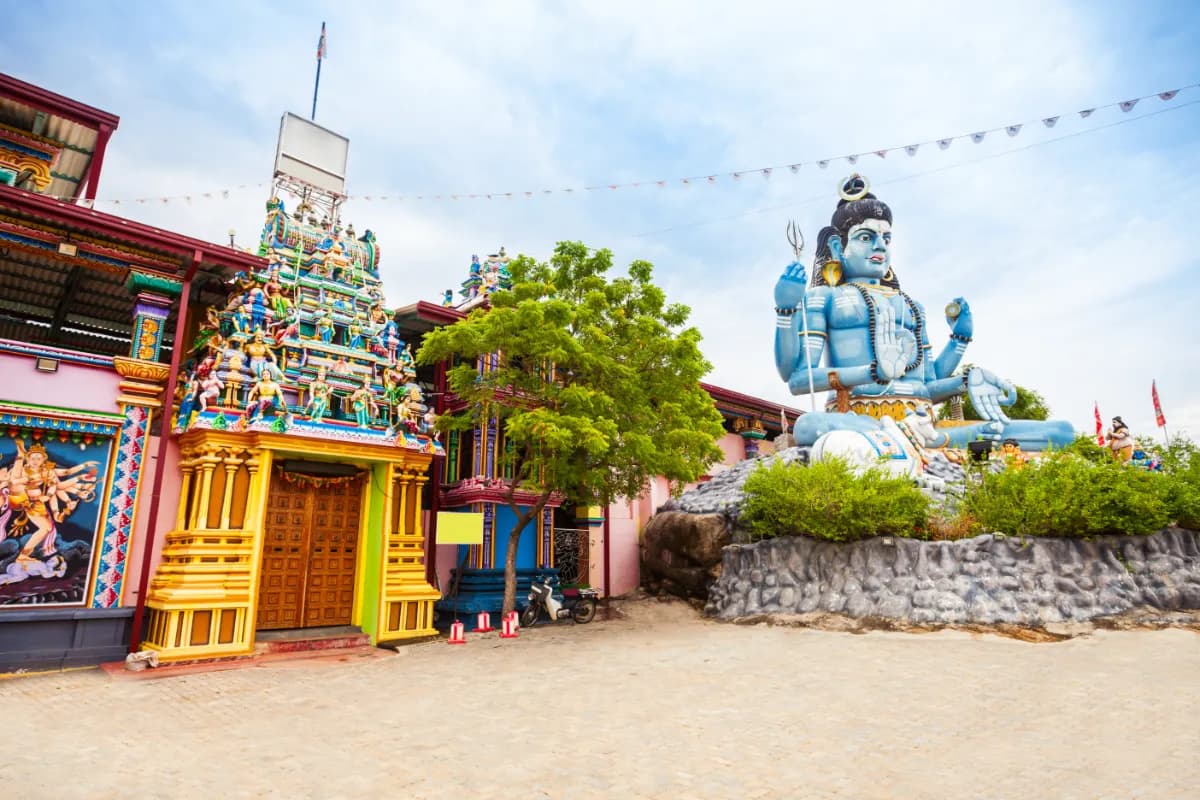
Thirukoneswaram Kovil is an ancient Hindu temple situated on a cliff overseeing the Indian Ocean in Trincomalee, eastern Sri Lanka. Also known as Koneswaram Temple, it is one of the most sacred Shiva temples in the region, with roots stretching back over two thousand years. The setting combines spiritual importance with striking natural views, where waves crash far below the temple grounds.
The temple is often included in eastern coastal routes, especially within Sri Lanka tour packages that connect religious heritage with scenic landscapes. Visitors tend to spend time here slowly, moving between prayer halls, sea-facing viewpoints, and shaded temple paths. The atmosphere remains calm throughout the day, shaped equally by devotion and the surrounding ocean air.
Entry Fee: No entry fee to visit Thirukoneswaram Kovil.
Day Wise Timings
Maps & Location
61 Sri Jinarathana Rd, Colombo 00200, Sri Lanka
Essential Information
Point of Interest for Thirukoneswaram Kovil
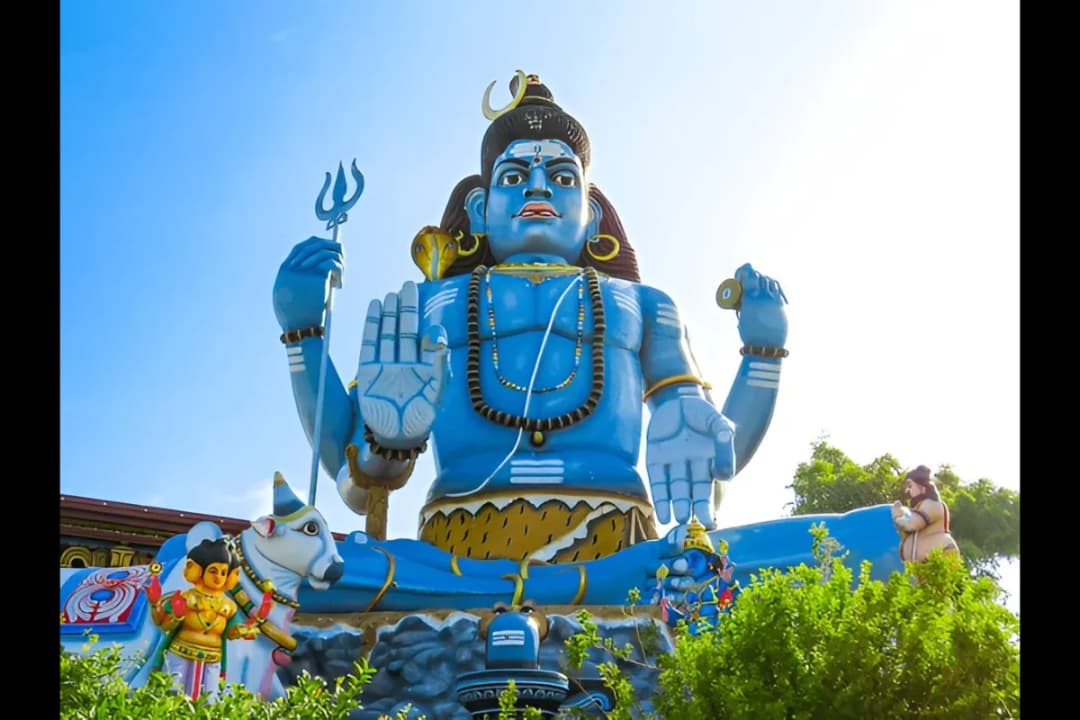
Main Shiva Shrine
The central sanctum dedicated to Lord Shiva, where daily rituals and prayers form the spiritual heart of the temple.
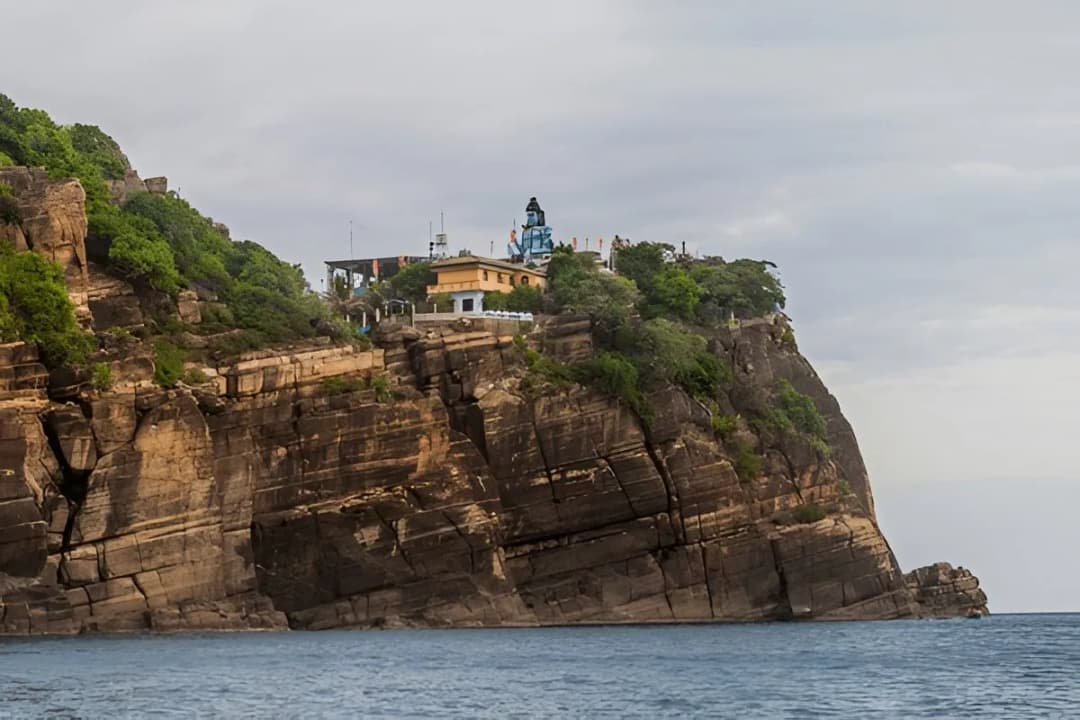
Cliffside Viewing Point
A sea-facing edge offering uninterrupted views of the Indian Ocean from the temple’s elevated cliff location.
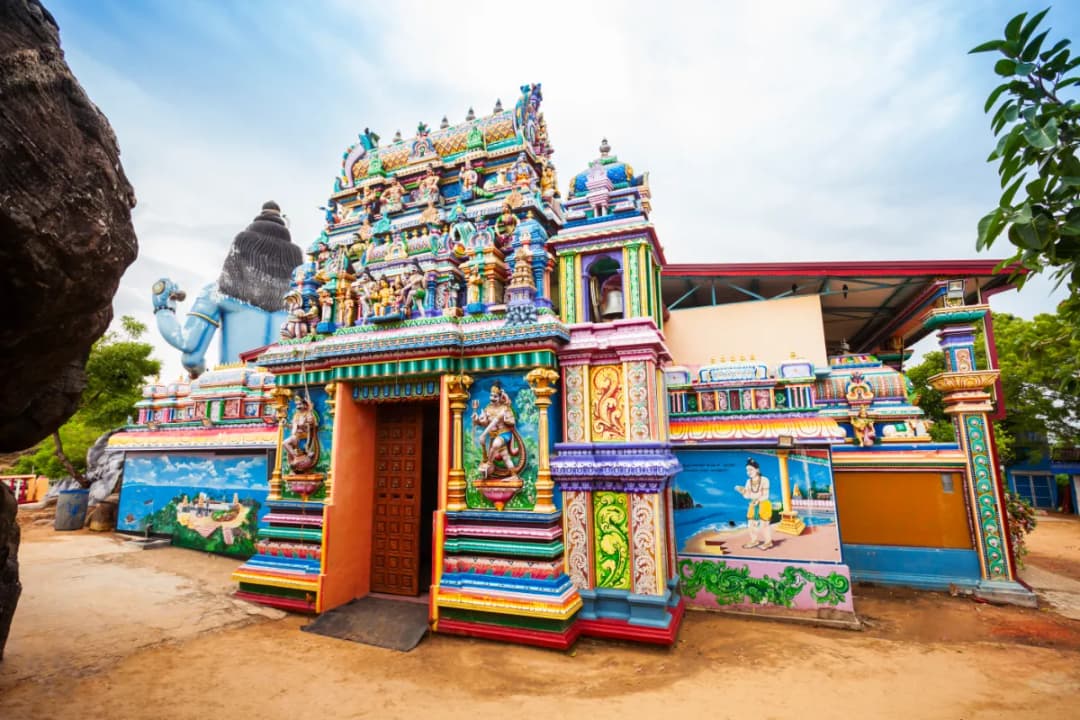
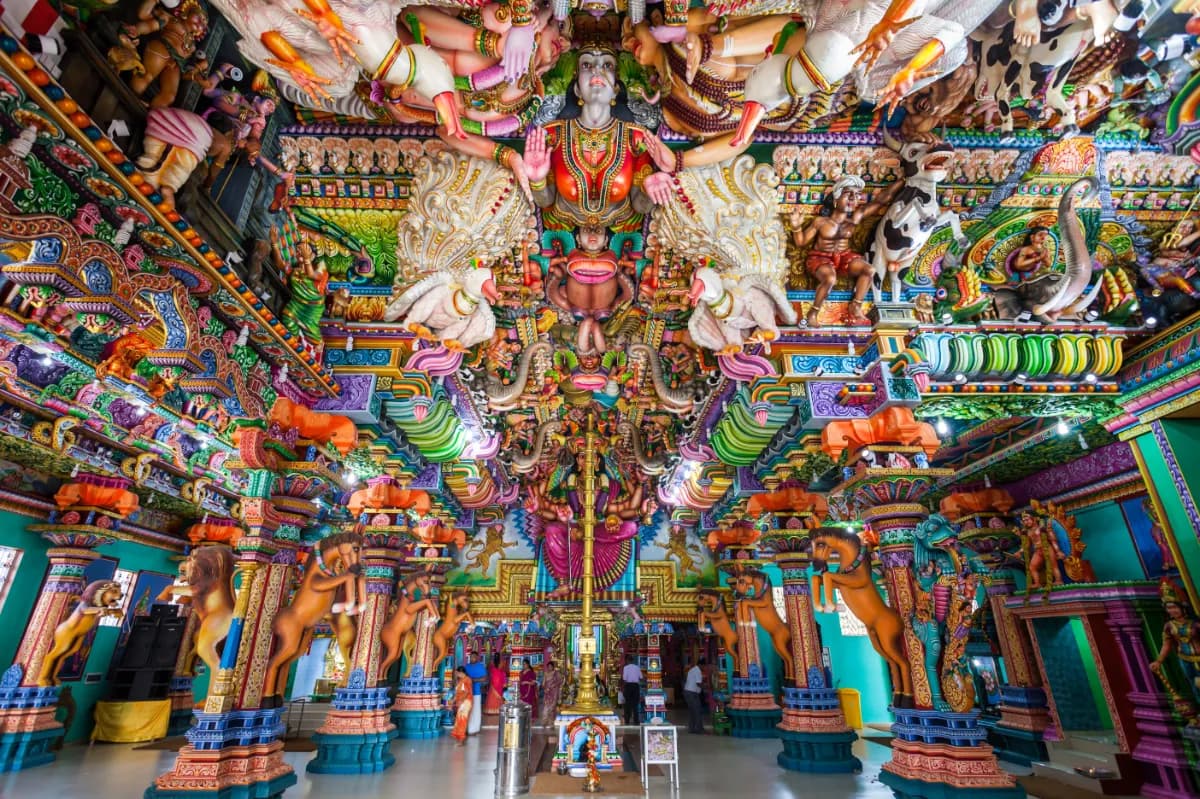
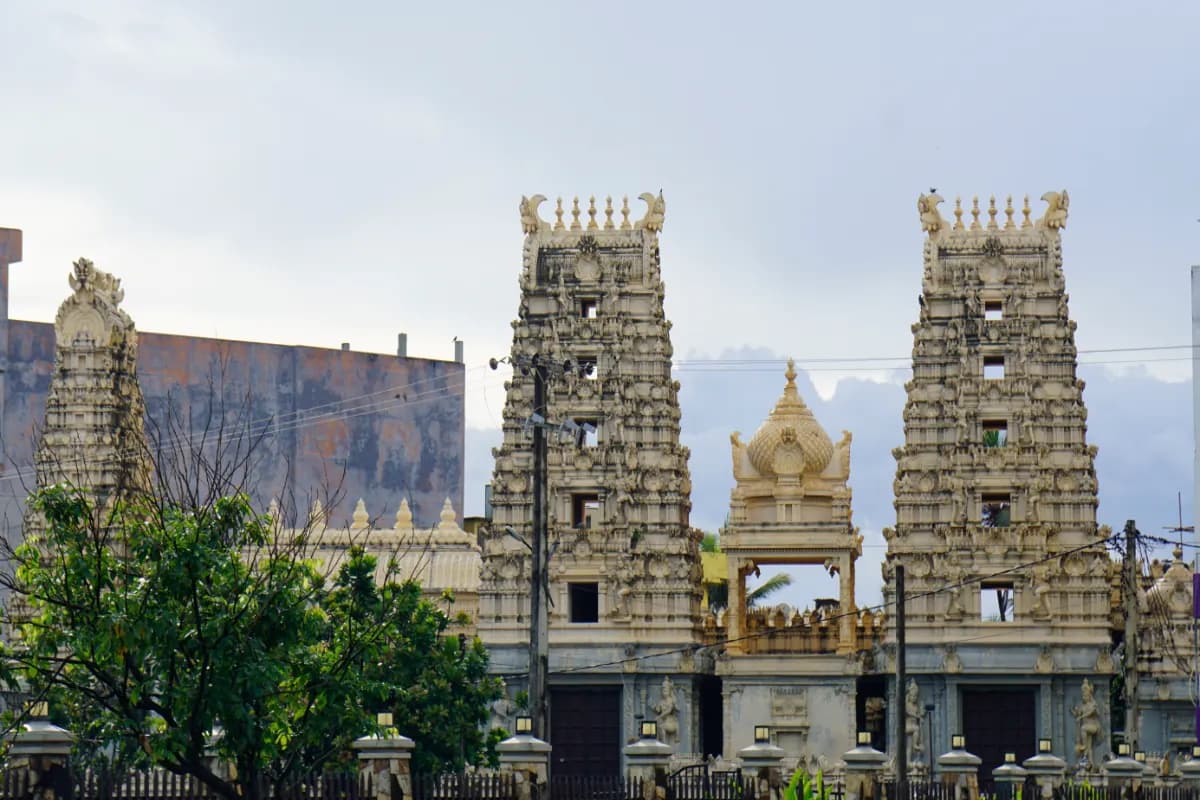
Temple Gopuram Entrance
Colourful tower entrance featuring traditional carvings that reflect South Indian Dravidian architectural influences.
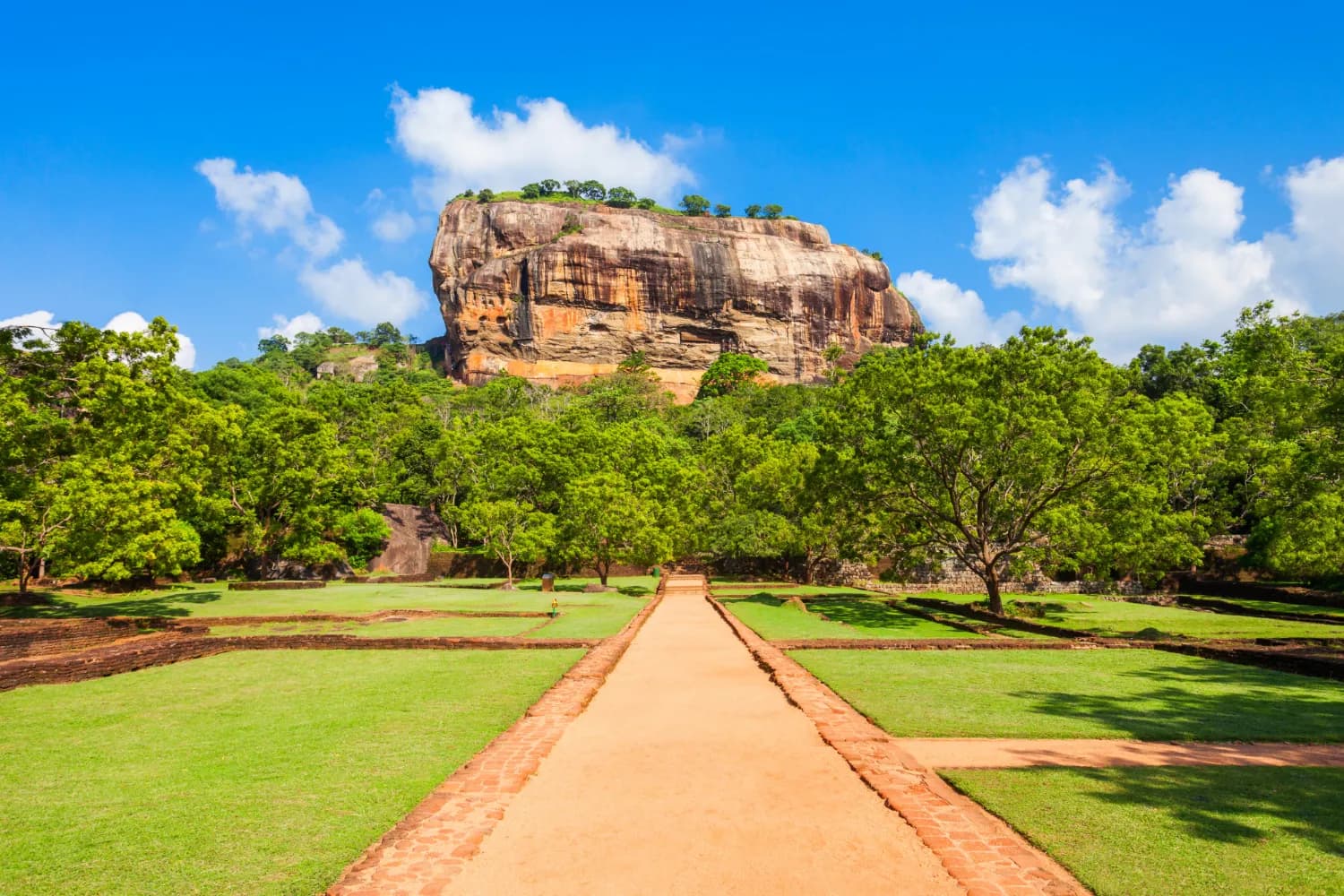
Koneswaram Temple is special for its ancient Shiva worship, cliffside location, and status as one of Sri Lanka’s most important Hindu pilgrimage sites overlooking the Indian Ocean.
Thirukameswarar Temple is famous for its spiritual association with Lord Shiva, traditional rituals, and its role in regional Shaivite religious practices and festivals.
Thirunageswaram is special for its association with Rahu worship, believed to reduce astrological afflictions, attracting devotees seeking relief through specific rituals and prayers.
The presiding deity of Thirukoneswaram is Lord Shiva, worshipped here as Koneswaram, representing power, protection, and spiritual balance.
The best time to visit is early morning or during festival periods, when rituals are active, and the coastal weather remains relatively comfortable.

Trusted by 1,00,000+ travellers

Dedicated experts to plan your trips

Secure bookings, clear cancellations

10,000+ unique trips to choose from

5.0

Sofia Delgado
Reviewed: Nov 26, 2025A magical and spiritual experience exploring Sri Lanka’s ancient wonders.
A magical and spiritual experience exploring Sri Lanka’s ancient wonders.
Hassan Alvi
Reviewed: Sep 28, 2025A very meaningful cultural journey through sacred traditions and history.
A very meaningful cultural journey through sacred traditions and history.