 Sri Lanka
 nature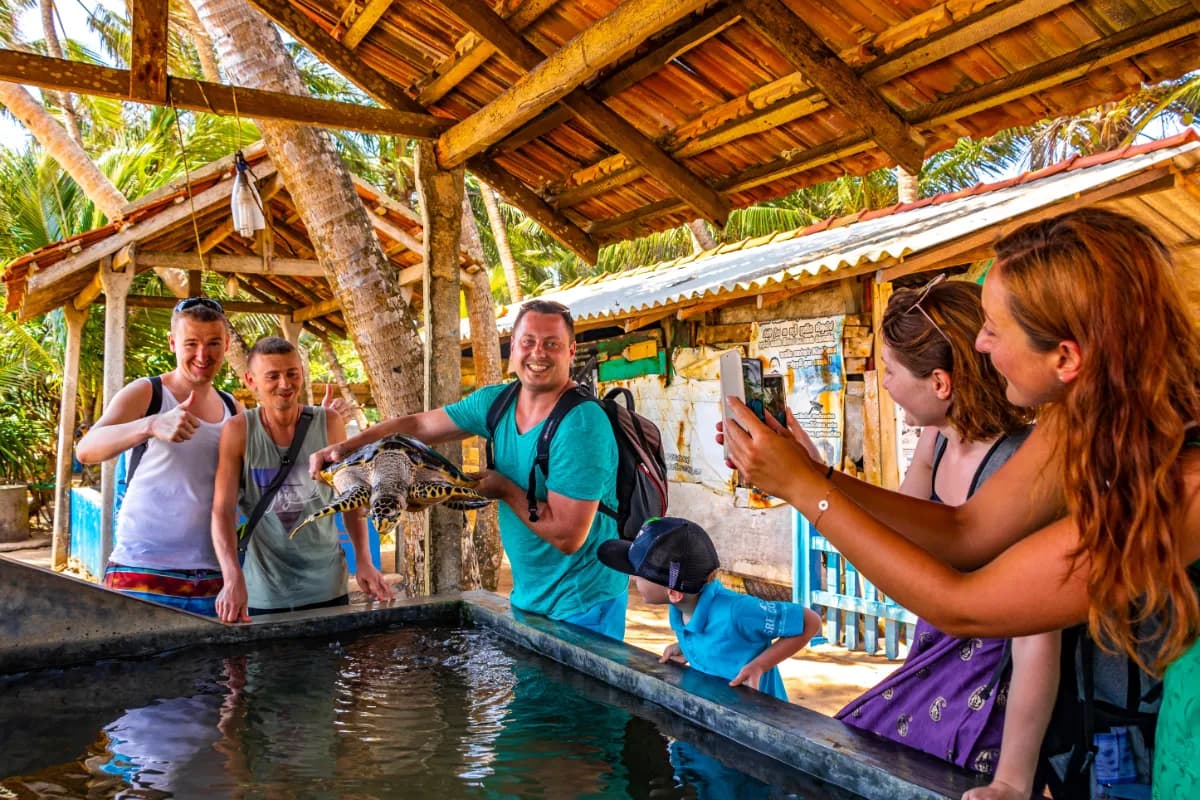
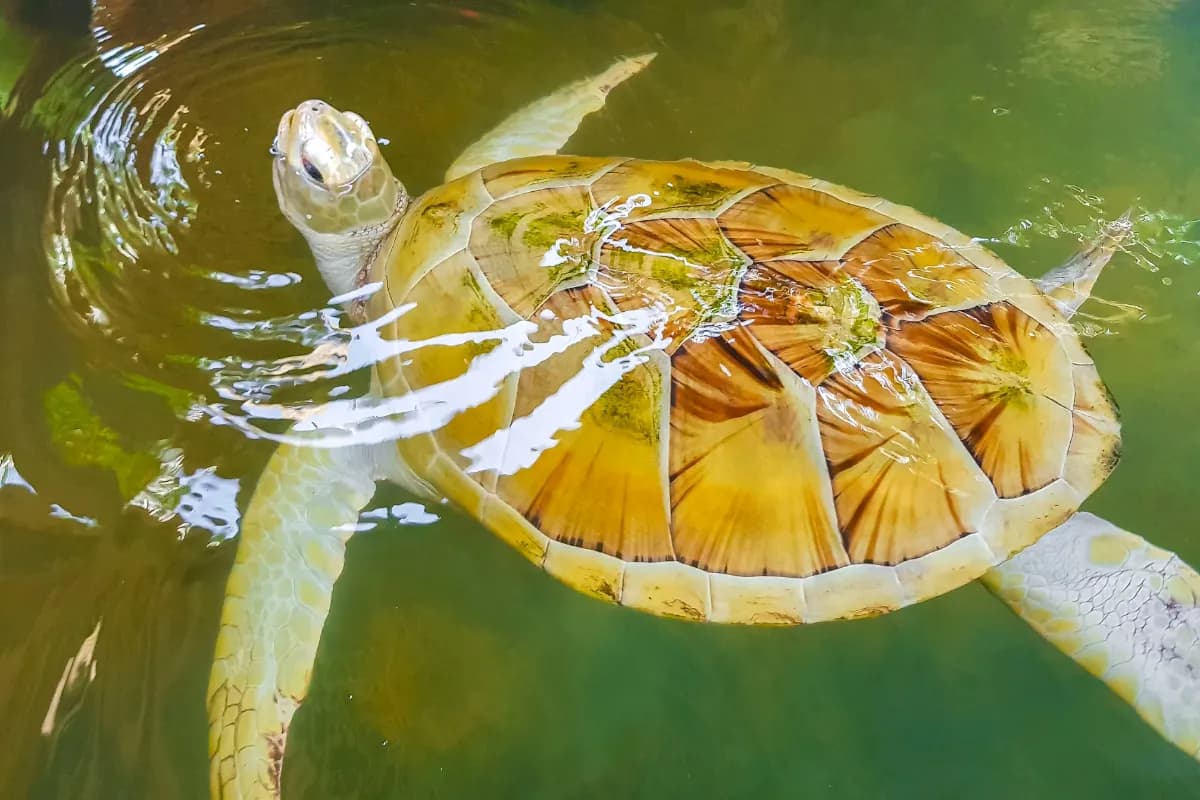
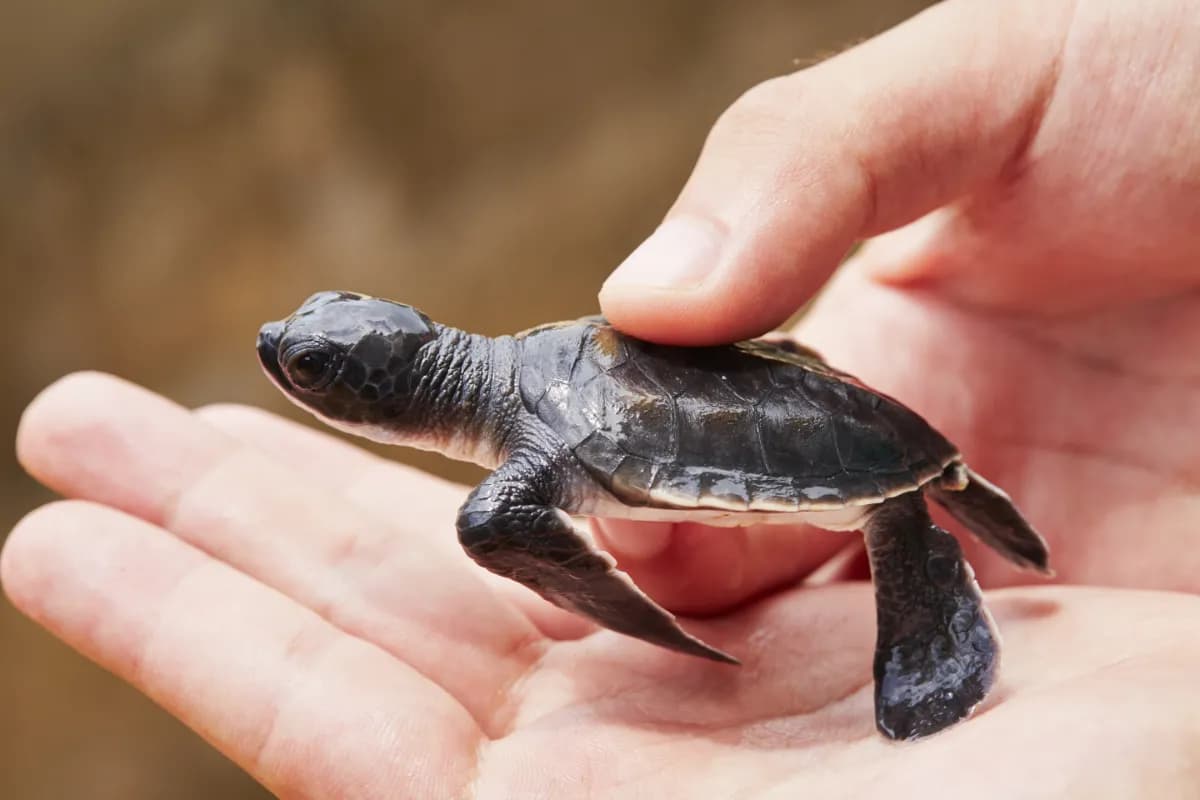
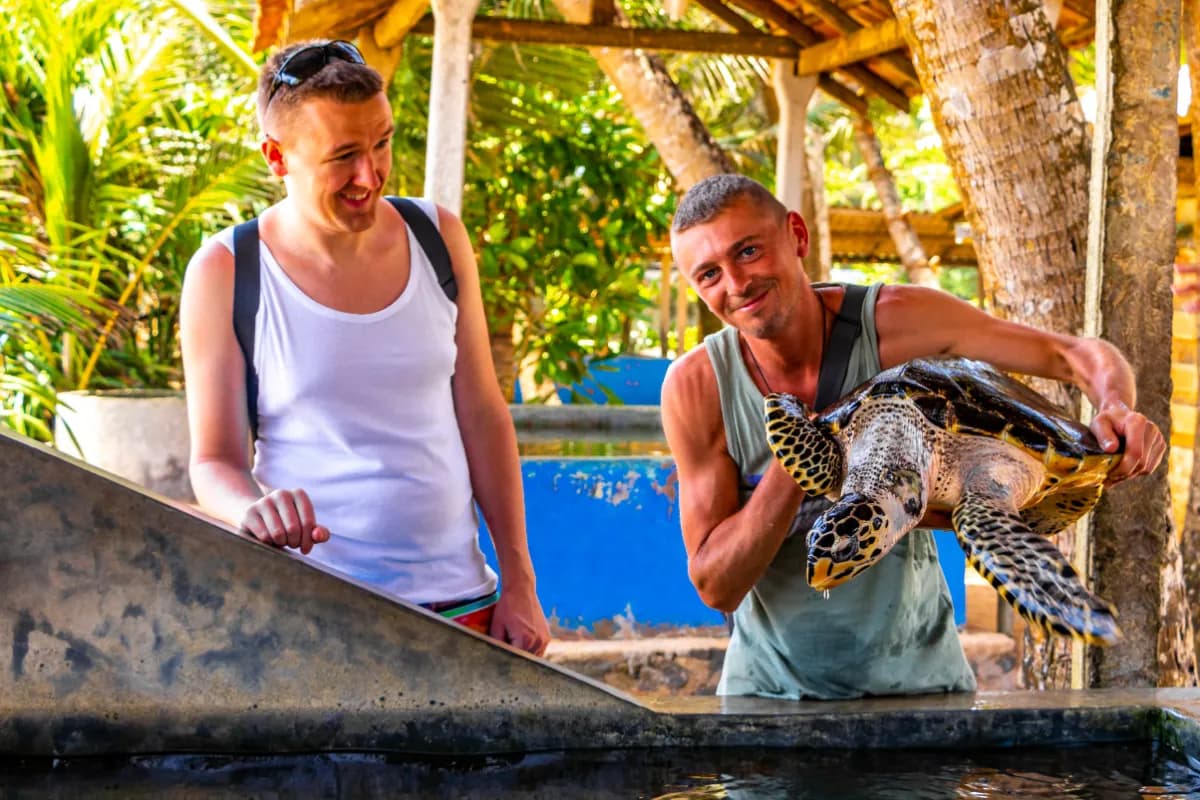
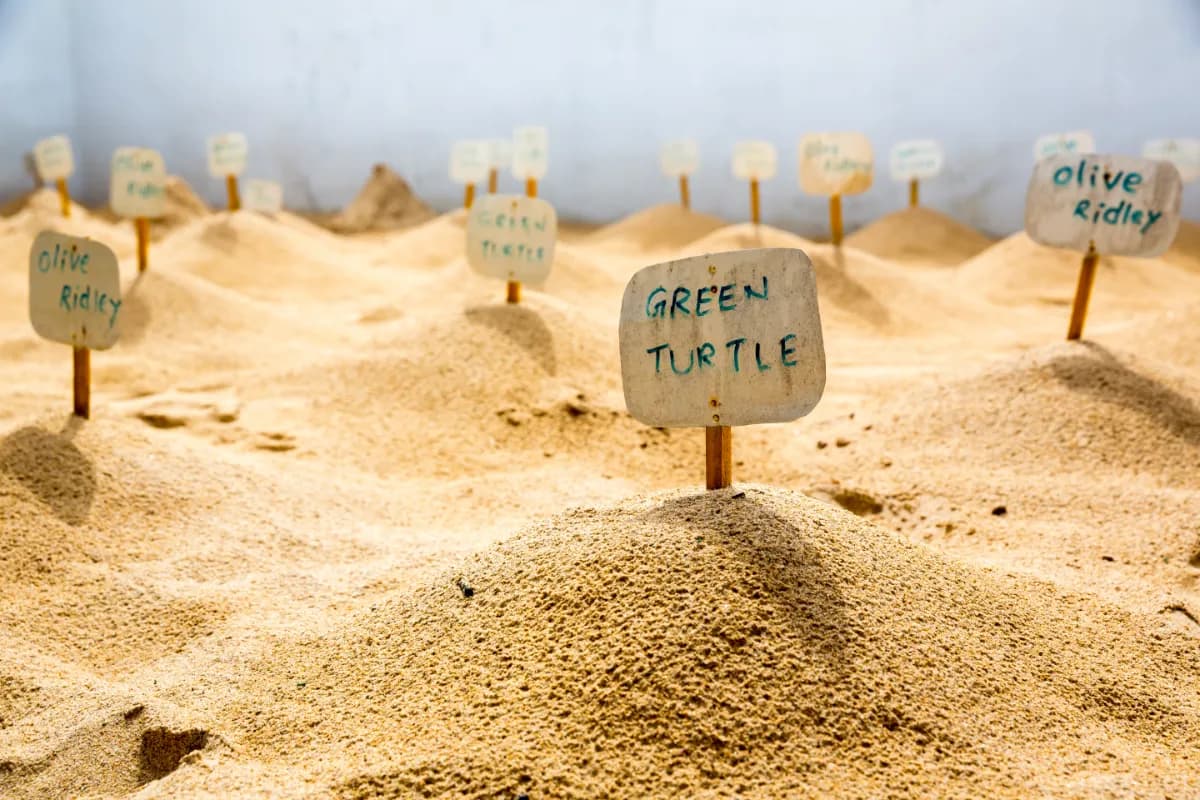
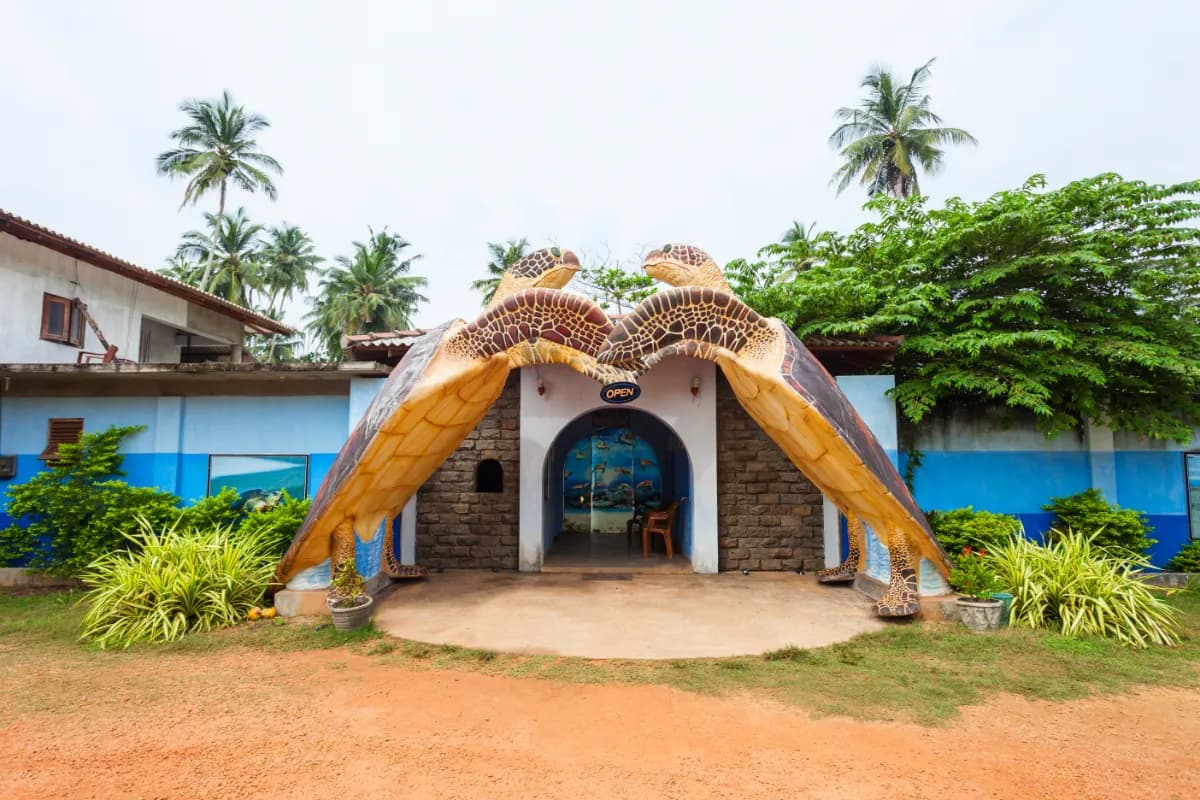
Turtle Hatchery Bentota, officially known as Kosgoda Sea Turtle Conservation Project, has a calm and earthy charm that surprises many travellers. The coastline feels warm, the water sounds steady, and the place instantly slows your pace. Visitors often add it to their Sri Lanka Tour packages because the experience is simple but meaningful. You see rescued eggs, tiny hatchlings moving around like curious little marbles, and injured turtles receiving long-term care.
There is a quiet honesty in watching volunteers protect creatures that cannot fight back. Families enjoy the educational side, while couples appreciate the peaceful surroundings. Many travellers who arrive from busy cities say the same thing in their own way. The hatchery gives a short pause to an otherwise fast holiday. It teaches care without sounding preachy, and it helps you understand the coastline beyond beaches and sunsets. For anyone who enjoys soft experiences that leave a memory, this stop in Bentota does exactly that.
The entry fee of Kosgoda Sea Turtle Conservation Project is between 6 AED to 12 AED. Charges vary across different hatcheries in Bentota, and most accept cash only. Some places offer short guided walks without extra cost, while a few request a small donation for turtle feeding. Prices remain affordable for all travellers.
Day Wise Timings
Maps & Location
Mahapalena, No. 13/A Galle Rd, Kosgoda 80570, Sri Lanka
Essential Information
Point of Interest for Kosgoda Sea Turtle Conservation Project
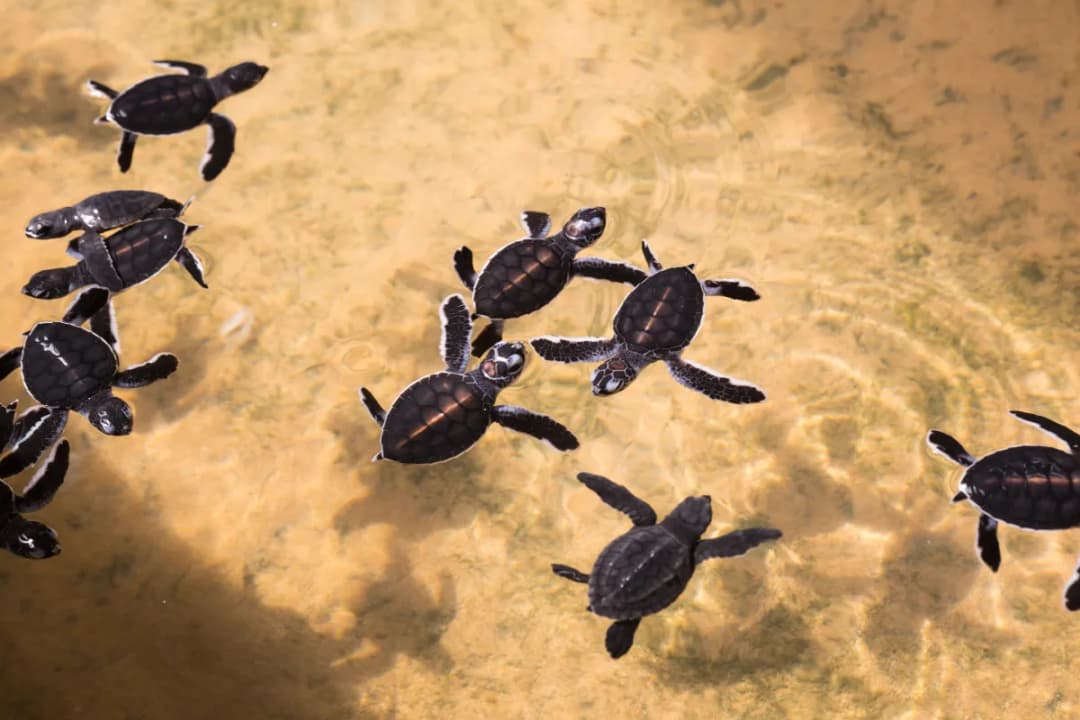
Hatchling Pools
Small circular pools where newly born turtles rest before being released into the ocean.
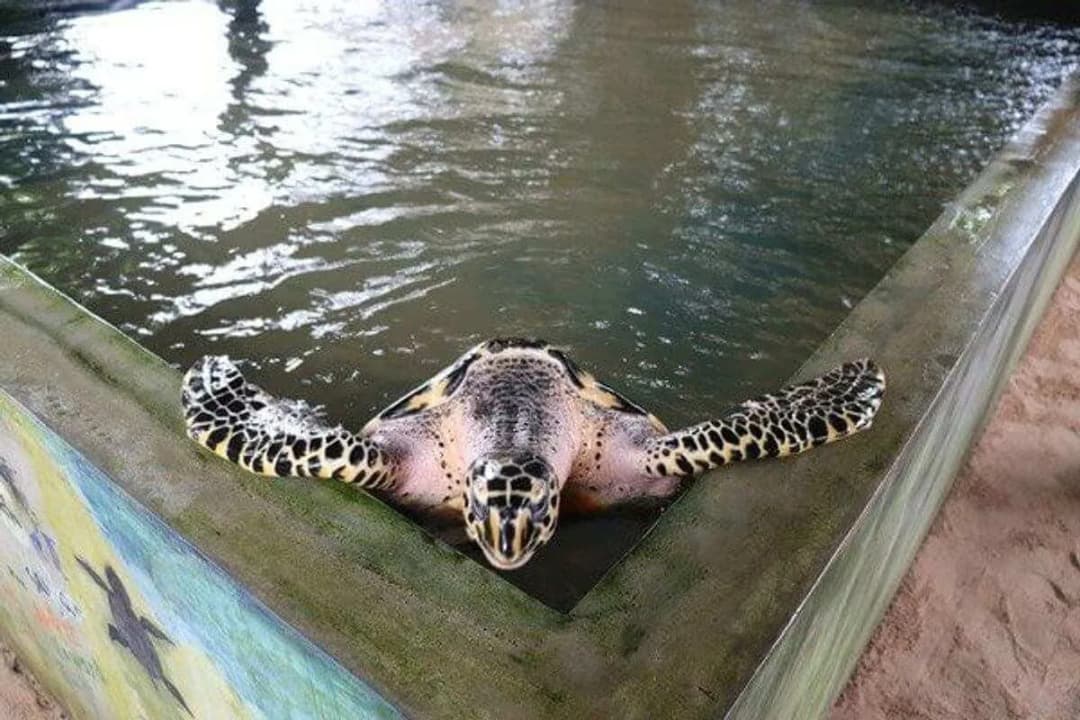
Rehabilitation Tanks
Larger tanks with injured or rescued turtles that need long-term care. You get to see rare species.
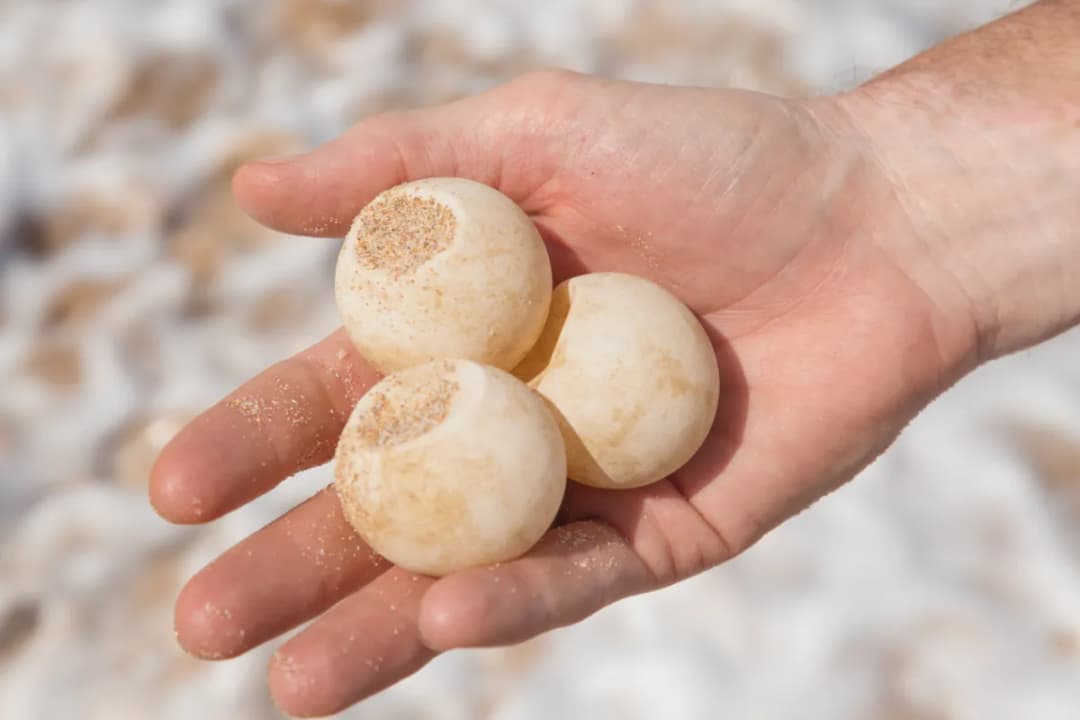
Egg Protection Zones
Sandy patches where collected eggs are buried for protection.
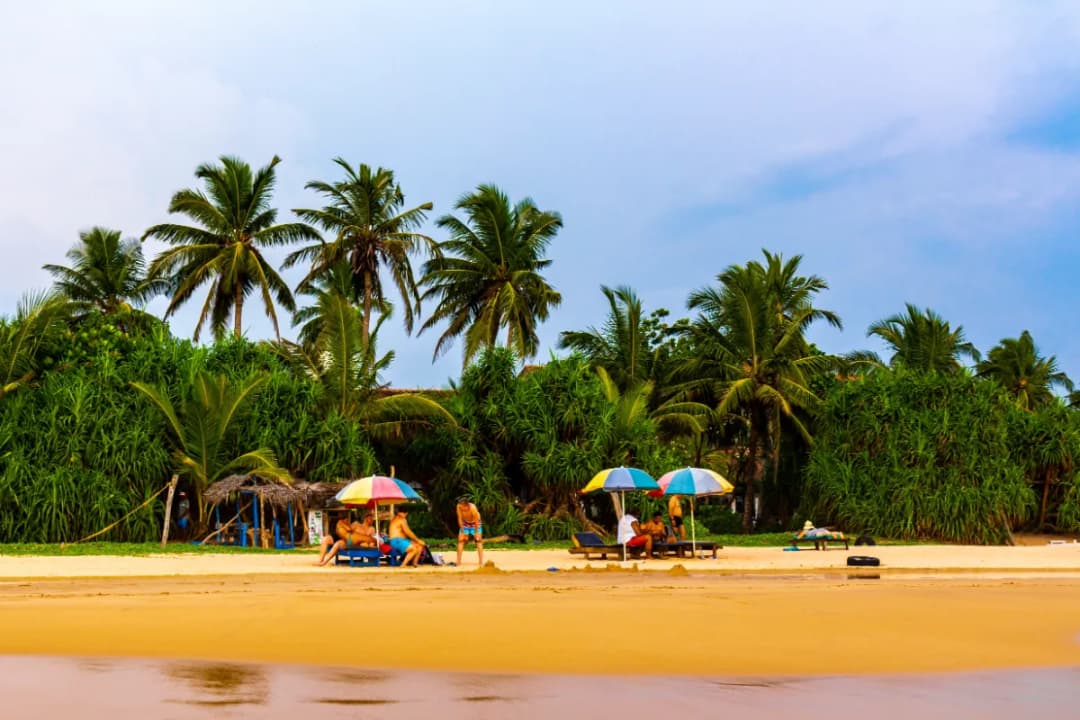
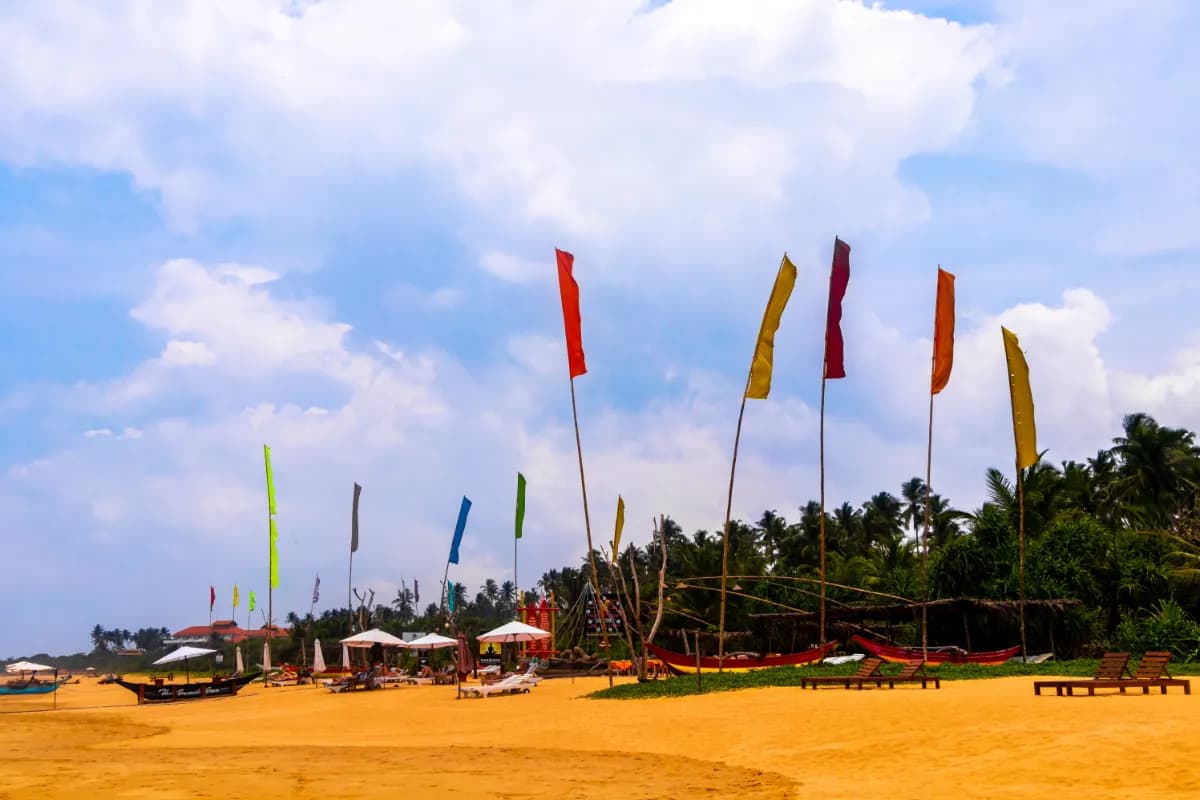
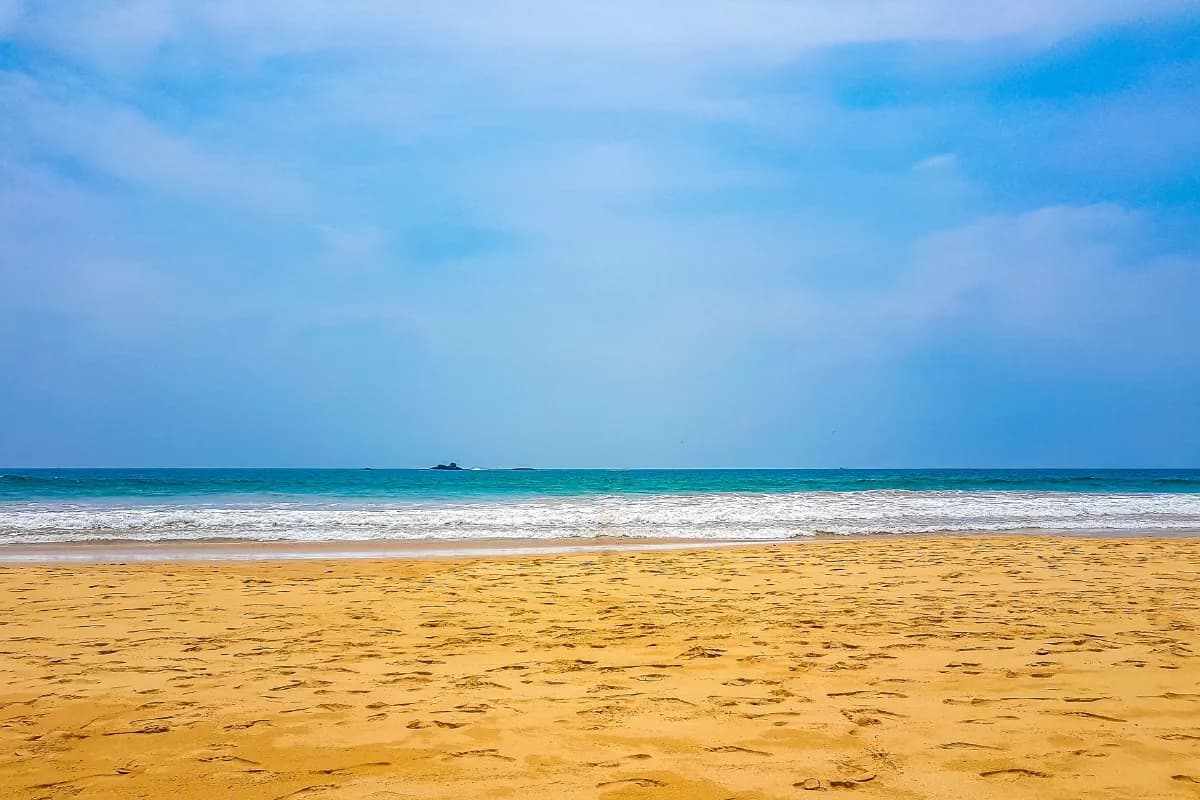
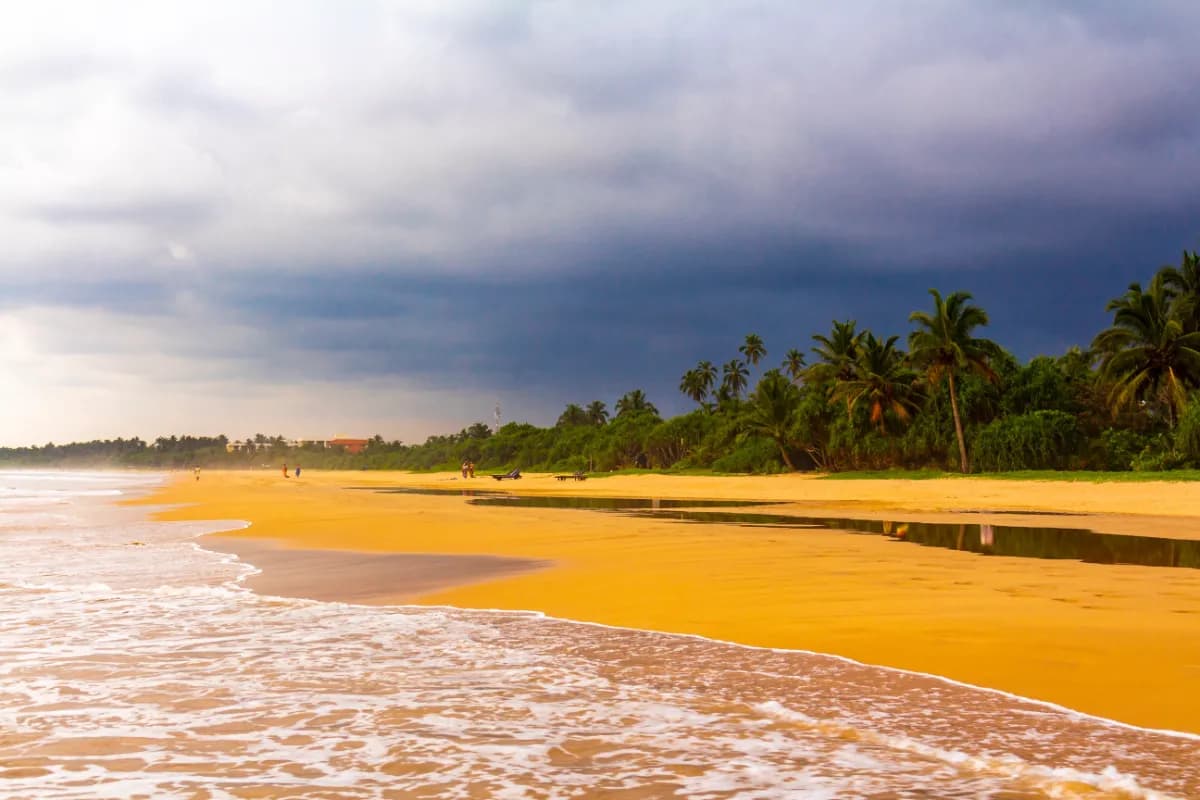
Bentota Beach
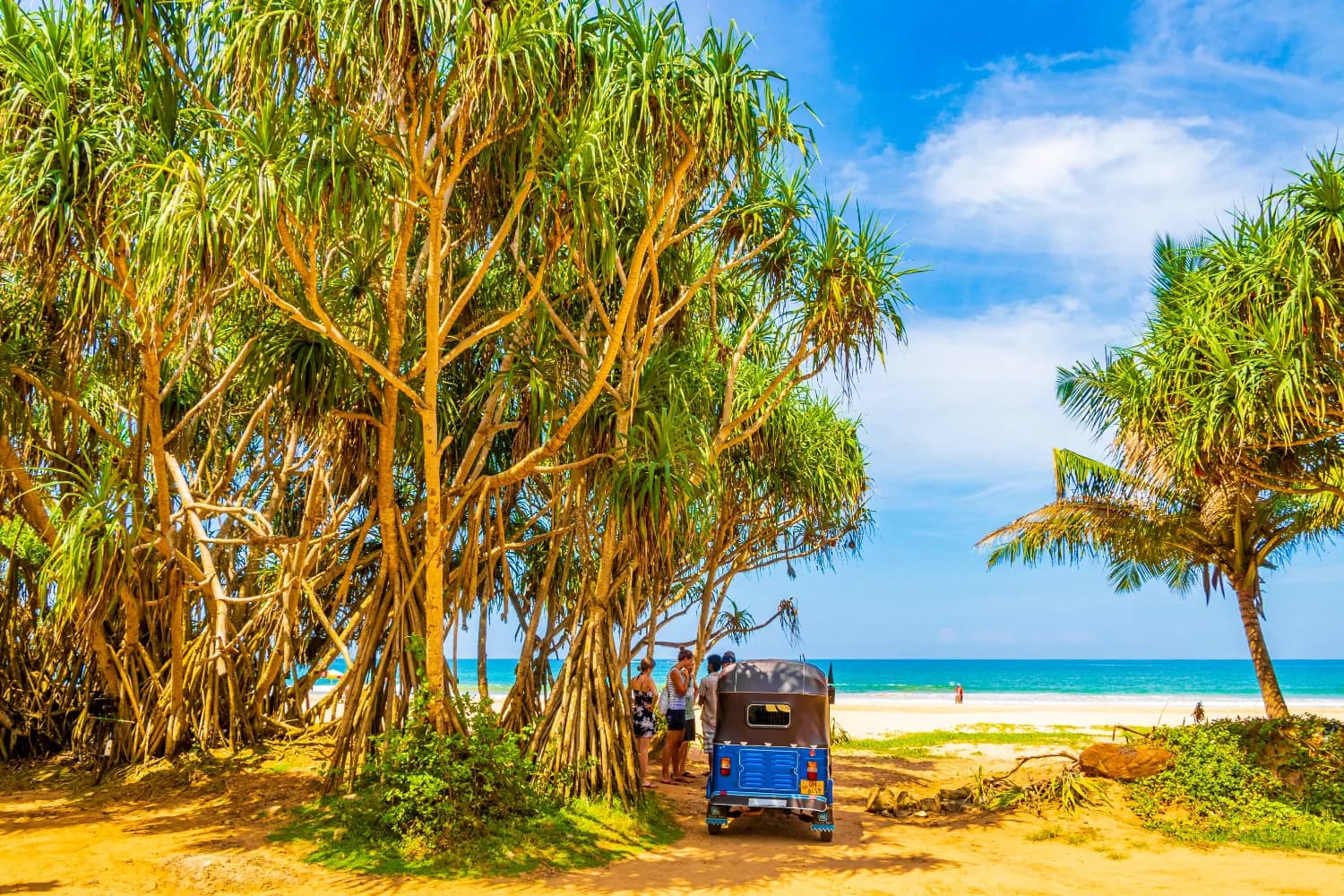
A clean and open coastline close to the hatchery, great for sunset walks and gentle waves.

Yes, children enjoy watching the hatchlings and learning about marine life in a simple and engaging way.
Most visitors spend around thirty to forty minutes, depending on how much they interact with the staff and exhibits.
Some hatcheries allow supervised releases during specific hours. It depends on the health of the hatchlings and tide conditions.
Photography is allowed in most areas, but staff may restrict flash near hatchlings.
Morning and late afternoon offer cooler weather and calmer crowds.

Trusted by 1,00,000+ travellers

Dedicated experts to plan your trips

Secure bookings, clear cancellations

10,000+ unique trips to choose from

5.0

Sofia Delgado
Reviewed: Nov 26, 2025Hassan Alvi
Reviewed: Sep 28, 2025